When Hurricane Sandy struck New York City in 2012, nature exposed the fragility of one of the world’s greatest cities. The storm flooded a critical power station and knocked out electricity across a large section of Manhattan. In neighborhoods throughout the five boroughs, a storm surge overwhelmed systems built for a different era.
New Yorkers felt the disaster’s effects for weeks after Sandy left. Subway and road tunnels flooded with salt water; parks, playgrounds, and beaches were damaged; and a gasoline shortage left drivers waiting in hours-long lines that snaked along the avenues, harkening back to the 1970s oil crisis. Dozens of people died in the storm, and the damage costs reached billions of dollars.
Taking stock of the disaster, city leaders realized they had to confront an uncomfortable reality: The future would bring more uncertainty, more extreme weather, and greater pressure on infrastructure.
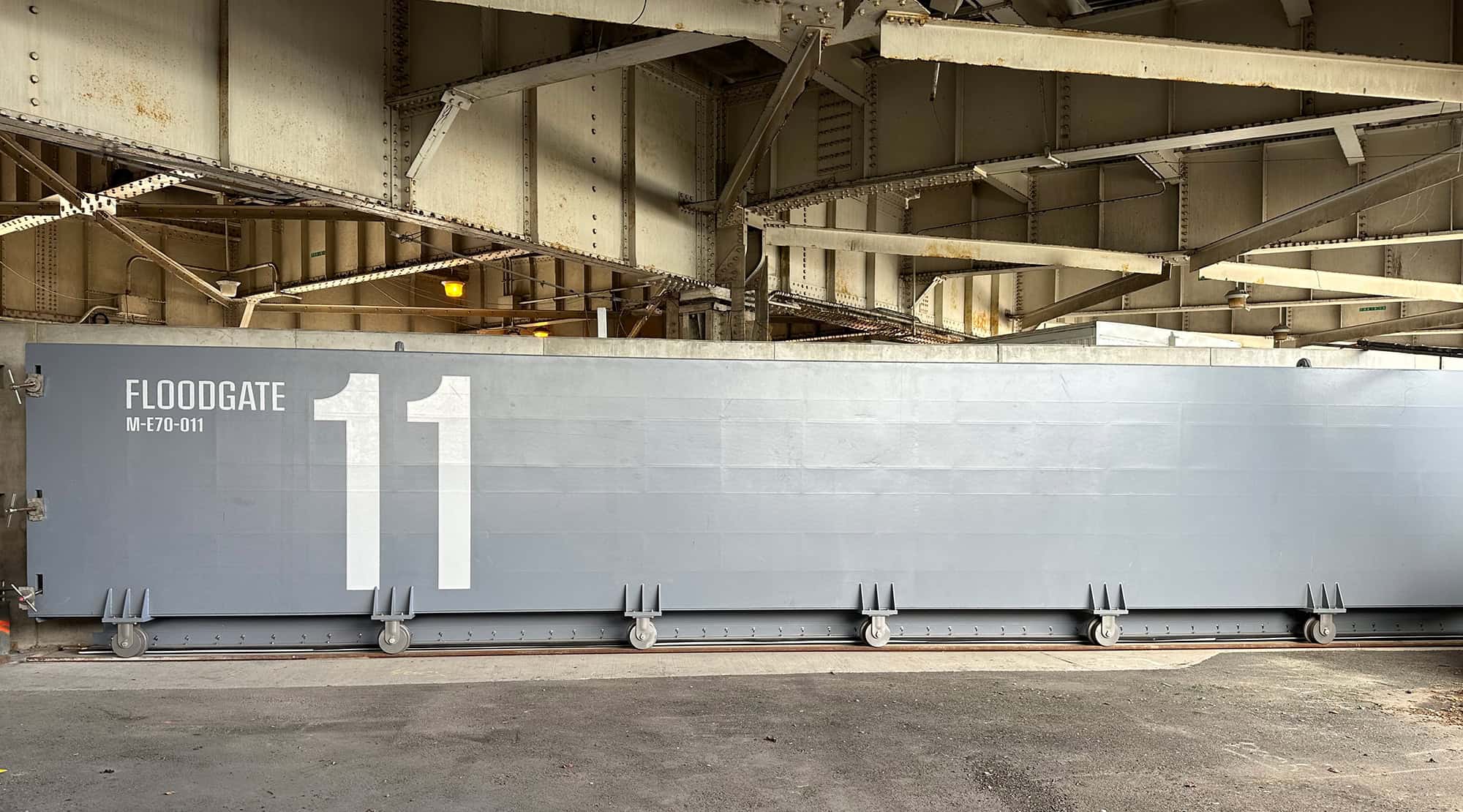
One result of the city’s response was the Big U, an ambitious proposal for a flood-protection system wrapping around much of Lower Manhattan. In the latest episode of the Bentley Horizons podcast, we discovered that the Big U is about much more than flood walls. It’s a story about how resilient infrastructure is conceived, designed, built, and operated, and about how architects and engineers are asking their software providers to think in whole systems rather than disconnected parts.
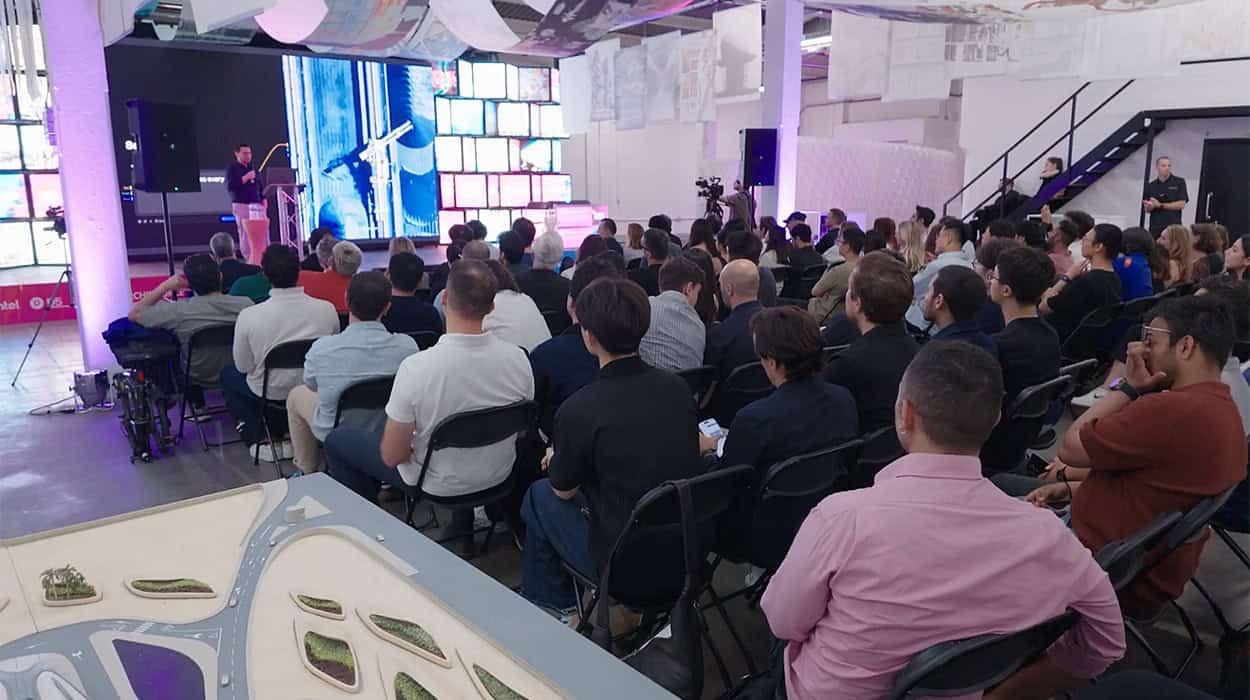
Recorded at the ArchiTech Network (ATN) Summit in London—a city that just hosted London Climate Week—the episode brings together architects, engineers, technologists, and innovators wrestling with a shared challenge: how to design resilient infrastructure in an age defined by climate change and artificial intelligence (AI). What emerged was a surprisingly consistent message: The future belongs to connected, open systems.
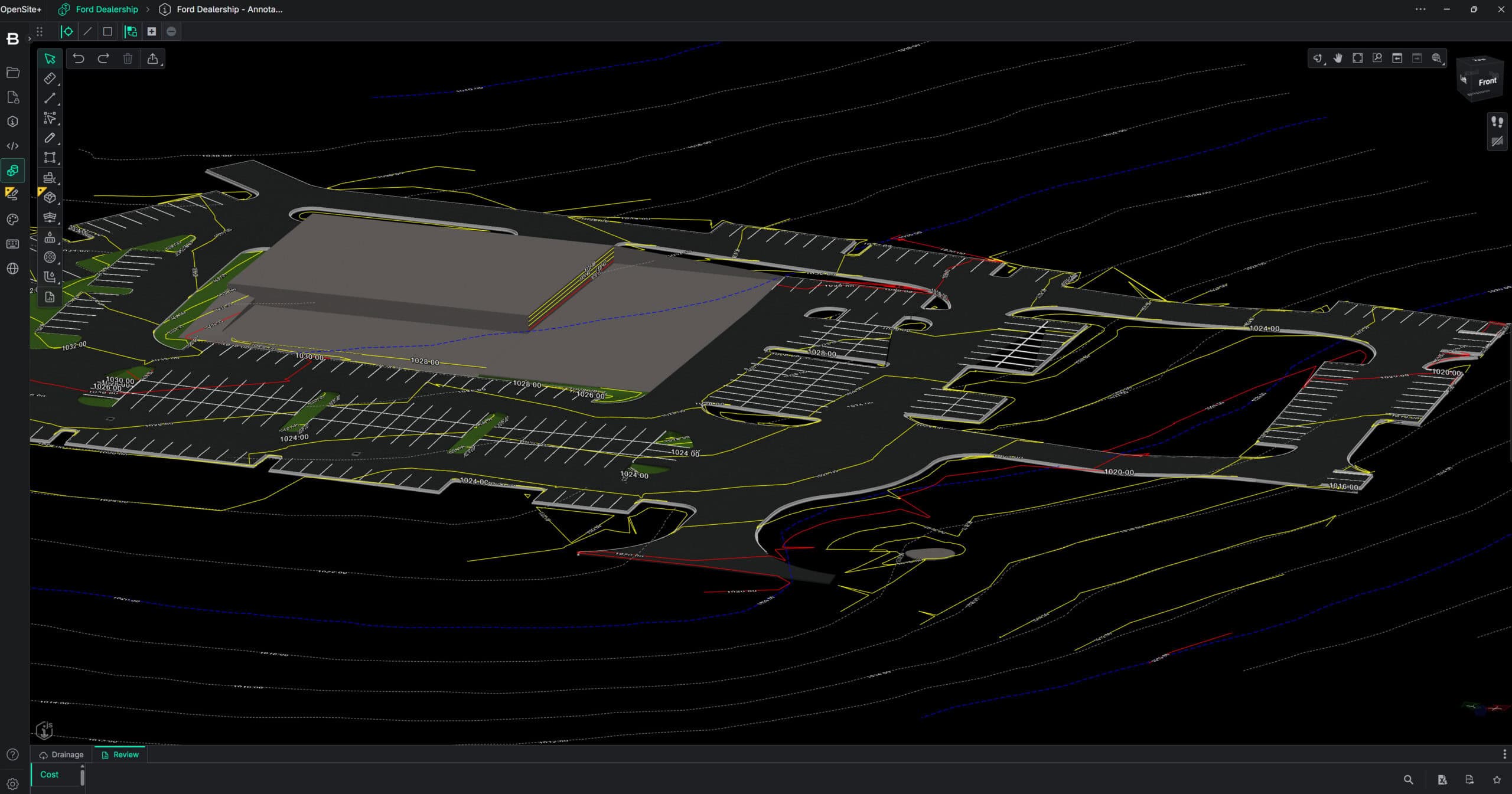
Across the built environment, professionals are pushing back against fragmented workflows, disconnected software, and isolated data silos. They want information to flow seamlessly from design to construction to operations and maintenance. They want openness, transparency, and tools that work together. And increasingly, they see AI as the catalyst that can finally make that possible.
At the summit in London, Greg Demchak, vice president for emerging technologies at Bentley Systems, joined his colleagues at Bentley Labs to show an immersive visualization of the Big U project. The model was built with the latest reality capture technologies like Gaussian splats, digital twins, and generative AI. Visitors could stand inside a virtual reconstruction of the flooded power station and grasp the human impact of infrastructure decisions in a way that drawings and reports alone could never provide. Visitors also saw how the new flood wall would protect the city in the future.
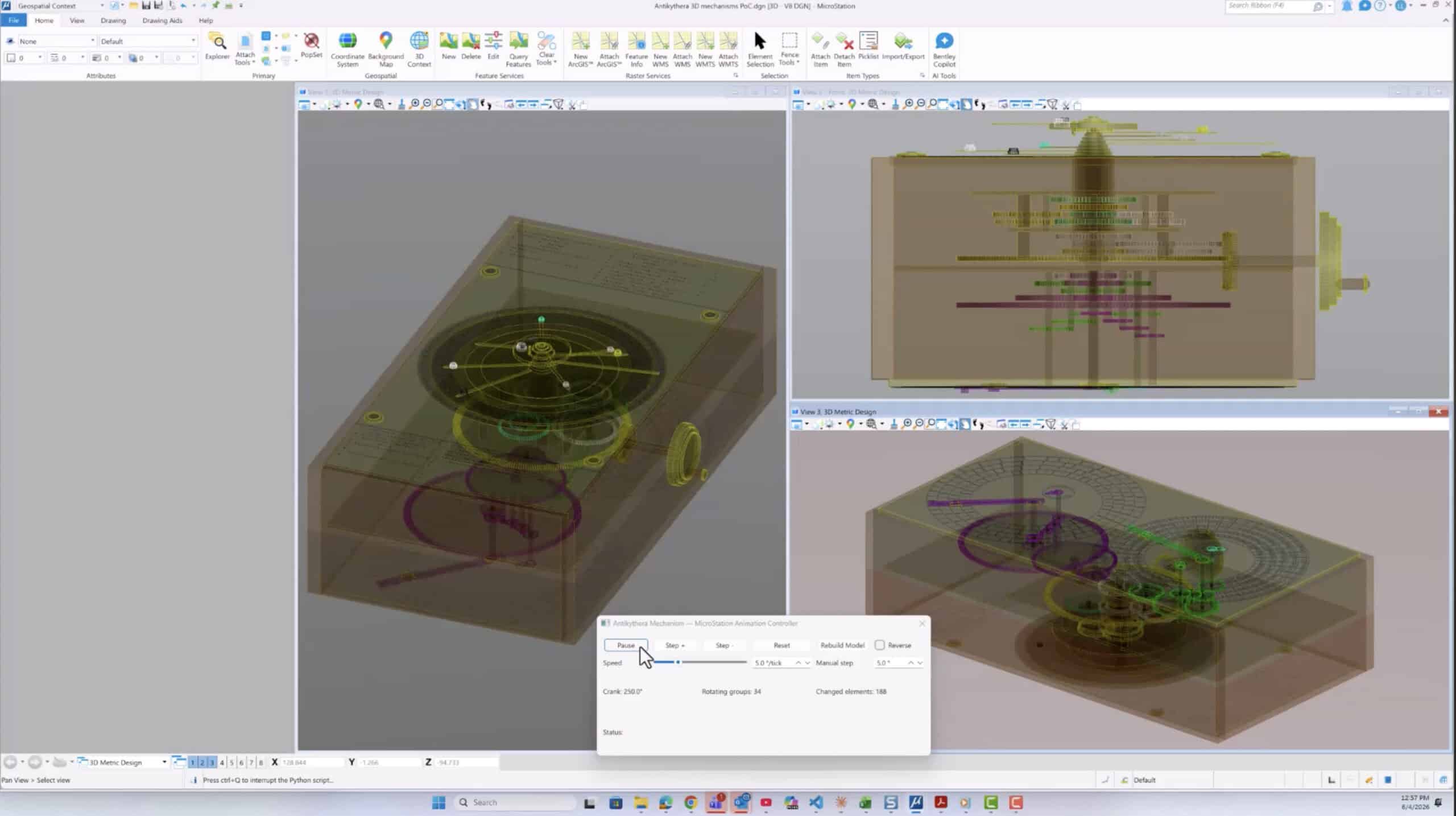
Yet technology is only part of the story. Again and again, speakers at the summit returned to a larger idea: coherence. Data and AI deliver the greatest value not when they automate a single task, but when they connect across an entire system. That requires several elements: software that can talk to other software, shared open standards such as the Model Context Protocol (MCP) for AI agents to access engineering solutions, and the ability to move information freely across organizations. As Bentley Chief Technology Officer Julien Moutte explains, infrastructure assets will outlive today’s software platforms, which makes openness essential. The data that describes a bridge or a flood wall will stay valuable for decades.
The lesson from Hurricane Sandy is not simply that cities need stronger defenses. It is that resilient infrastructure requires resilient information. In a world where climate disruption is growing and AI is accelerating, the organizations that embrace openness may be the ones best equipped to build the future we all need.
Tomas Kellner, Bentley’s chief storyteller, and me, Paul Wilson, chair of the Smart Cities World advisory board, would like to thank those who agreed to be interviewed for this episode:
- Liana O’Cleirigh, UX Designer, Bentley Labs, Bentley Systems
- Greg Demchak, Vice President of Emerging Technologies, Bentley Labs, Bentley Systems
- Silvia Rueda, Creative Director, Journey
- Oliver Thomas, Founder and CEO, ArchiTech Network