Small- and medium-sized water utilities are under pressure to do more with less. Aging infrastructure, limited budgets, and nonrevenue water—treated water that is lost before it reaches customers—can drain resources and make leak detection feel reactive. A phased digital twin strategy helps utilities move from scattered data to earlier insight and more resilient operations.
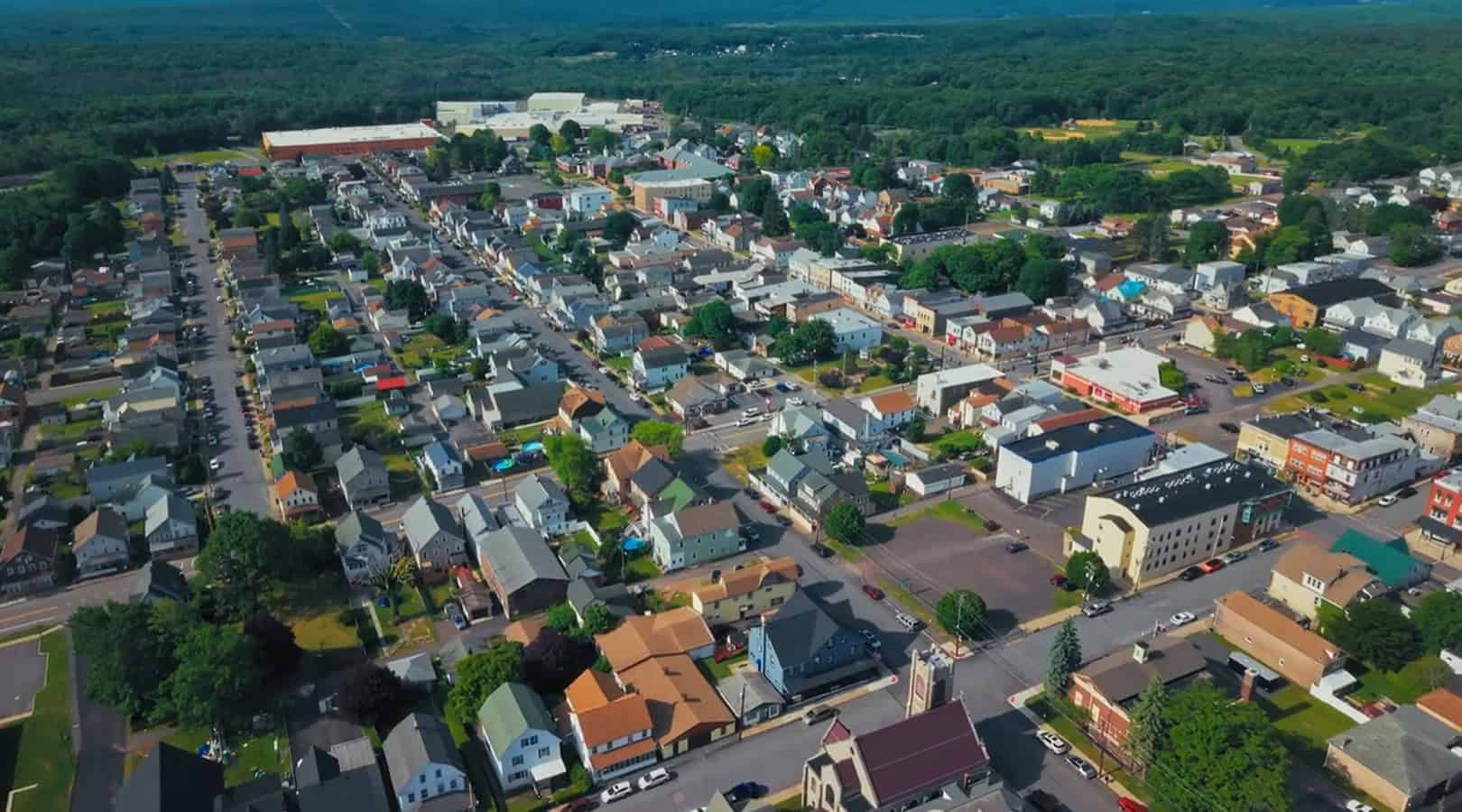
Freeland Municipal Authority (FMA) in Pennsylvania, which provides water to about 3,900 people, faced this challenge directly. The utility needed a better way to locate leaks, account for lost water, and prioritize repairs without adding unnecessary cost. “Where are those leaks?” was always the hardest question to answer, explained Ryan Smith, technical manager for FMA.
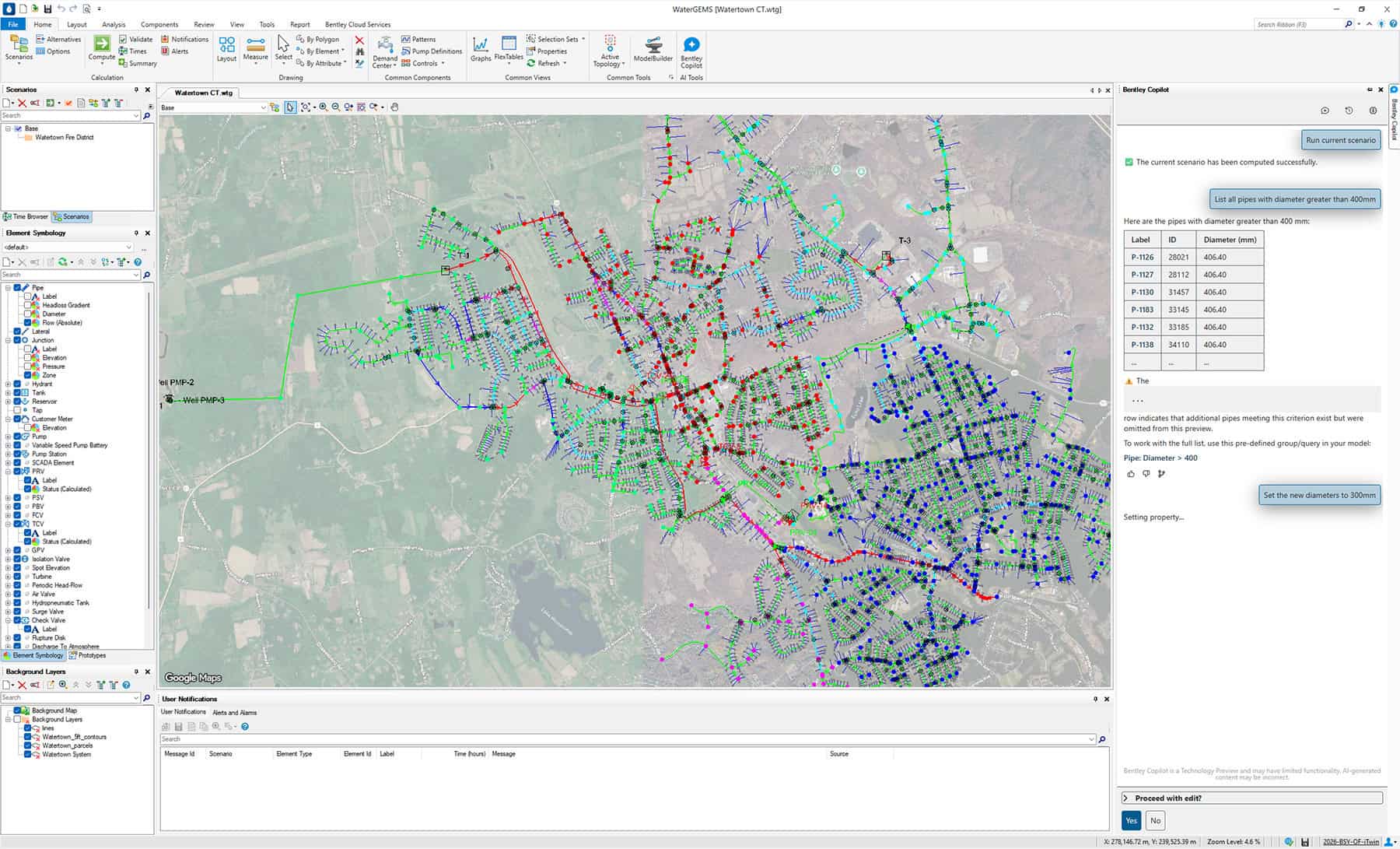
With guidance from HRG, a Bentley platform partner, FMA adopted OpenFlows WaterSight to create a practical water network digital twin. Using a “crawl, walk, run” methodology, the team began connecting operational data so they could detect leaks sooner, improve decision-making, and plan for long-term resilience. Their story, featured in our new video, offers a blueprint for success for small and medium utilities beginning their own digital transformation journey.
The challenge: Reducing the cost of unseen water loss
For years, FMA struggled with nonrevenue water, a problem that wastes chemicals, energy, staff time, and budget. “We had to bring in outside companies that actually do leak detection,” said Dave Kavitski, FMA chairman. This reactive approach was costly and inefficient. The authority needed an economical way to understand what was happening across its system and act before small issues became larger problems.

The partnership: Making water digital twins practical for small utilities
Many small- and medium-sized utilities assume that advanced technologies such as digital twins are out of reach. HRG is working to change that perception. “We help utilities recognize that they have the option to implement some of these technologies, and it can be very effective for them too,” said Melissa Rohland, director of strategic programs at HRG.

How the “crawl, walk, run” approach works
FMA’s success came from using the “crawl, walk, run” methodology: a phased approach that makes digital transformation manageable, connects existing data first, and delivers value at every stage.
- Crawl: FMA started by bringing its existing data into OpenFlows WaterSight. With HRG’s guidance, Smith began to navigate the platform, turning years of collected data into a unified, live view of the water system. “When I first saw the digital twin made and all the data there, I kind of sat back and said, ‘wow,’” he recalled.
- Walk: With its data visible and organized, FMA began analyzing trends, receiving predictive alerts, and shifting from reacting to problems to addressing them before they escalate.
- Run: The long-term goal is to use the digital twin for capital planning, what-if simulations, and optimized operations that support decades of reliable service.

The impact: Proactive leak detection and long-term resilience
FMA has moved from chasing leaks to preventing them. “If there is a problem, I could get right on the phone with the operator, make it known, and get out there and repair it before it becomes a larger problem,” said Smith. This preventative model can improve efficiency while helping save money for the community. “We’re only funded by our ratepayers, so we’re all about saving money where we can.”
To learn more about the “crawl, walk, run” strategy and how your utility can start its own digital twin journey, download our free white paper, Crawl, Walk, Run: Digital Twin Success for Small and Medium Water Utilities.