Happy Earth Day! This year’s theme, “Our Power, Our Planet,” is a call to action for all of us to take responsibility for our collective home. Sustainable infrastructure and digital twin technology are transforming how organizations manage water, energy, and environmental impact. It’s a reminder that we have the power to make a difference, and that by working together, we can create a more sustainable future.
At Bentley Systems, we are committed to developing software and solutions that help our users design, build, and operate infrastructure that is more sustainable and resilient.
This Earth Day, let’s take a look at how Bentley is helping to create a more sustainable future for two of our most precious resources: water and energy.
Water Management with Digital Twin Technology
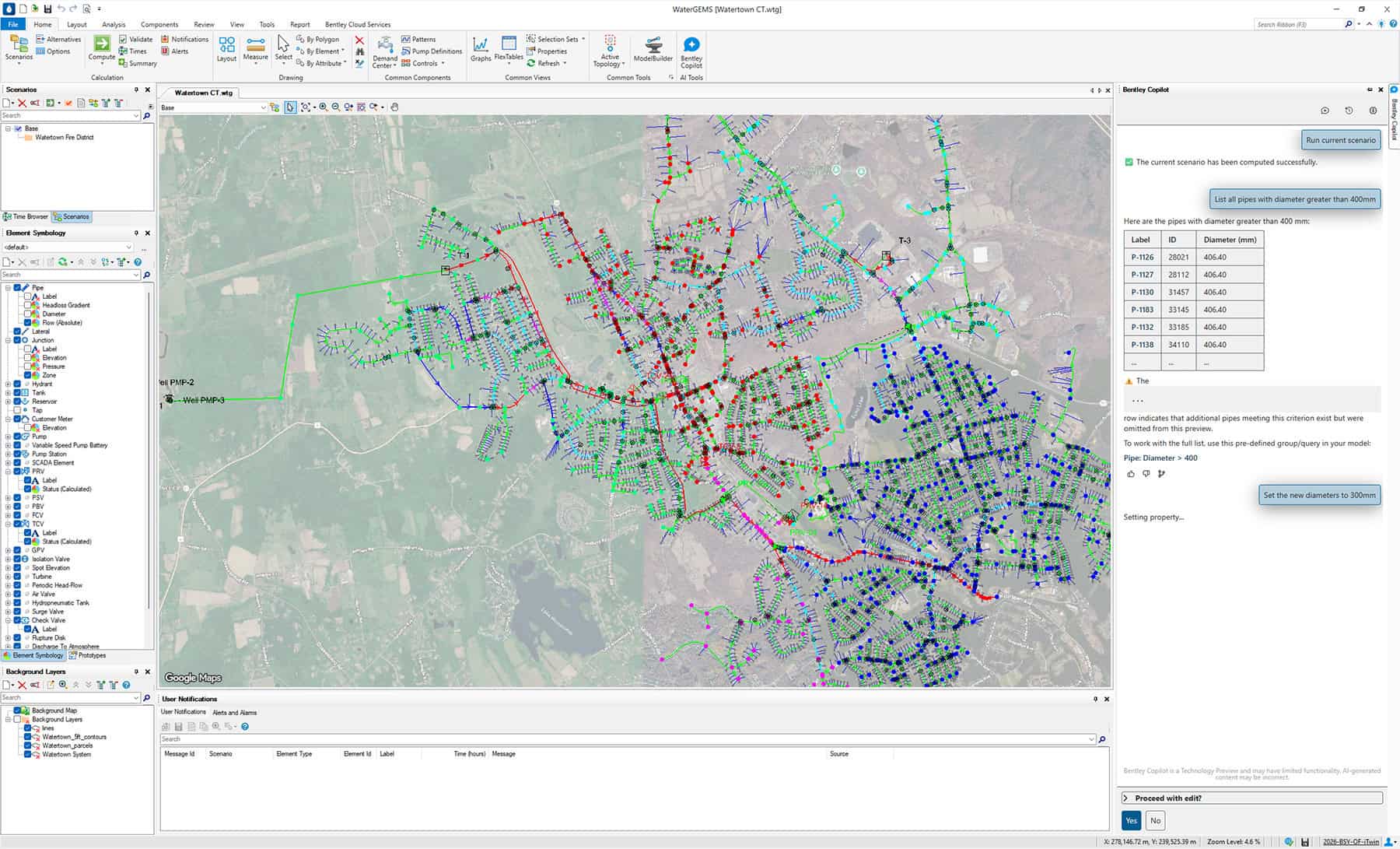
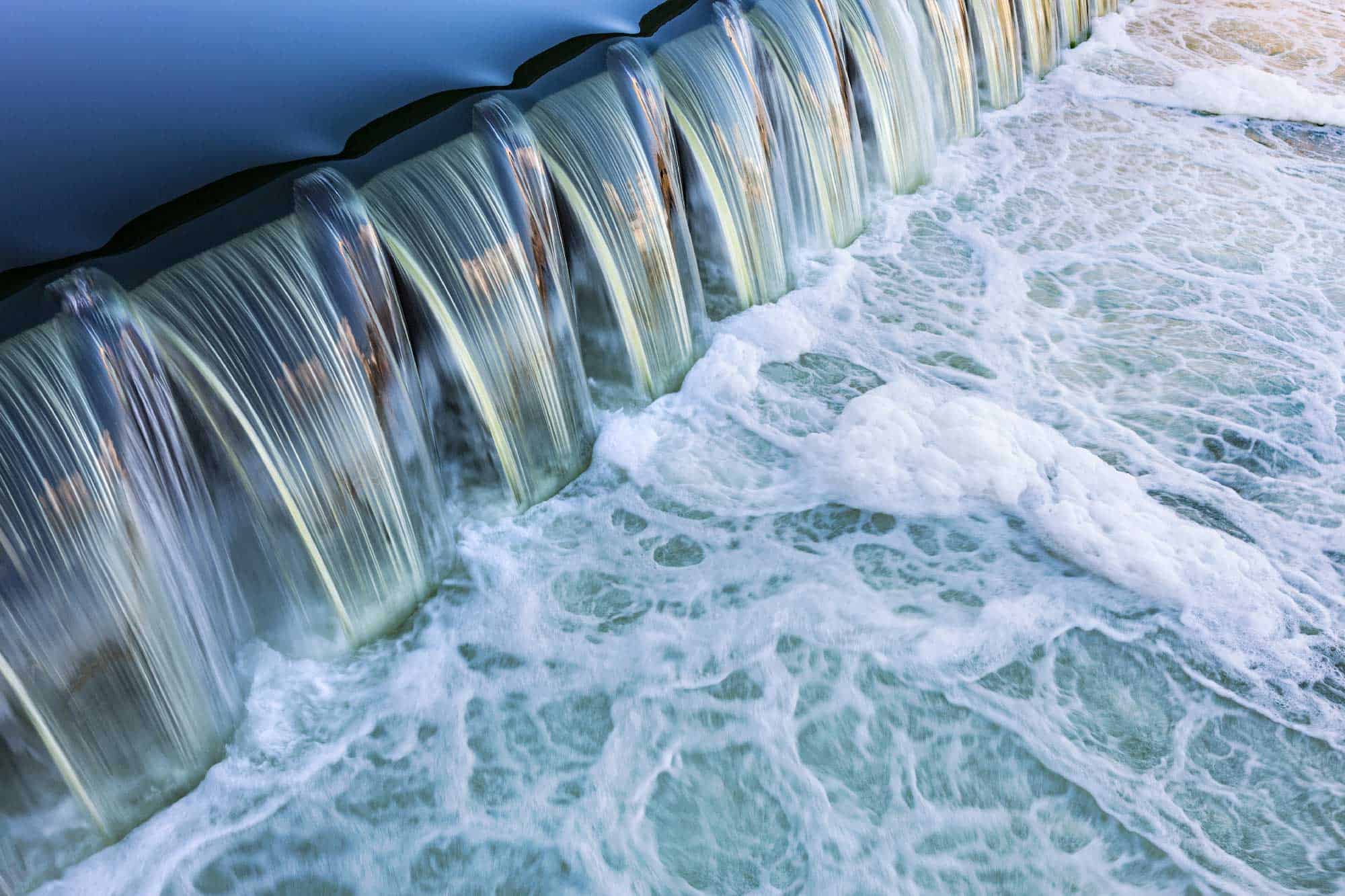
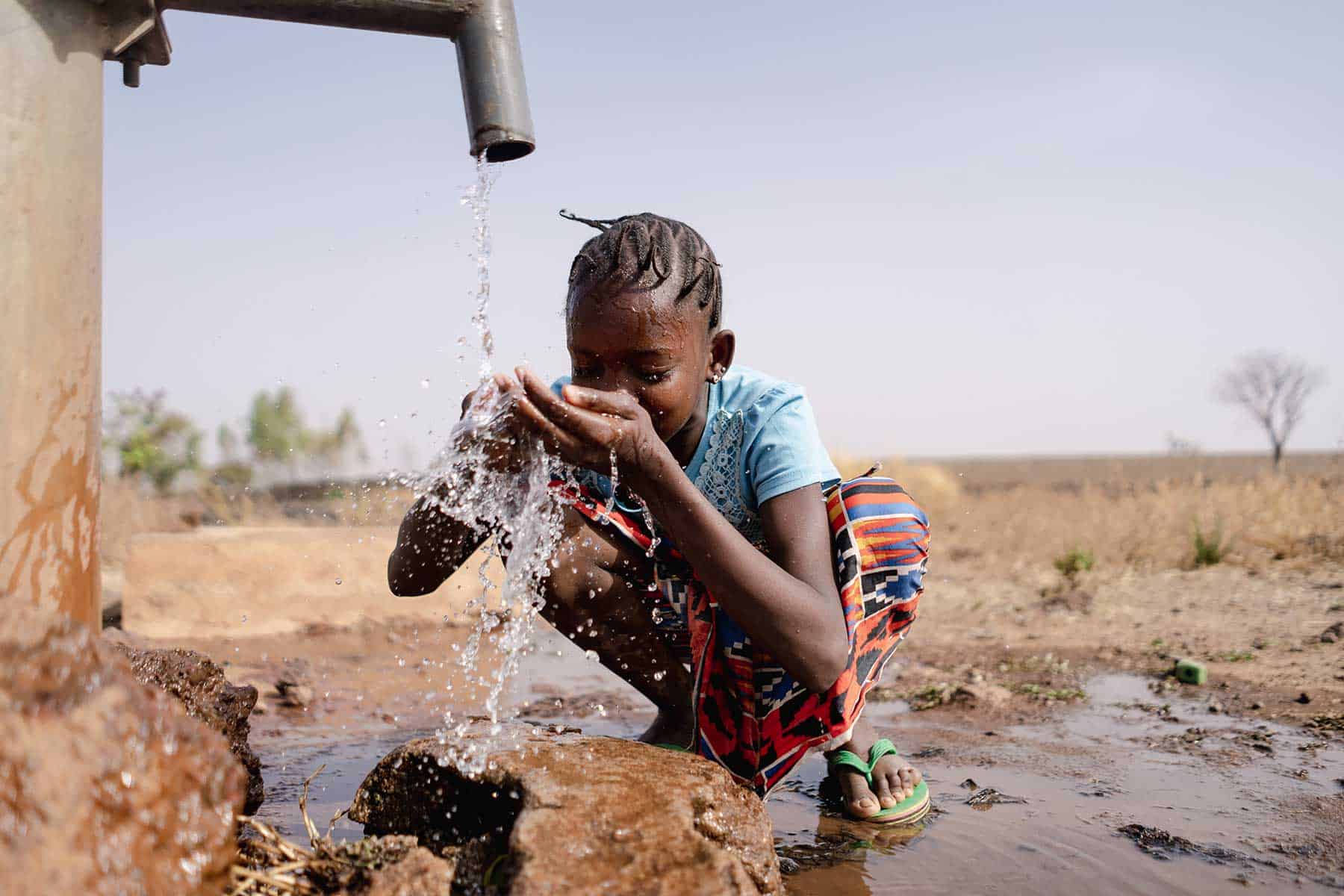
Water is essential for life, yet it is a finite resource. As the global population grows, so does the demand for clean water. Bentley’s software helps communities around the world to better manage their water resources. For example, in Brazil, our digital twin and hydraulic modeling software helped to reduce water scarcity during a drought.
In the Netherlands, a water utility company was able to reduce its energy costs by 33% and its carbon footprint by 942 tonnes of CO2 per year by using our software to optimize its water pumps.
These are just a couple of examples of how our software is making a real difference. From reducing water loss to improving the efficiency of water treatment plants, Bentley’s digital twin technologies and hydraulic modeling software are helping to ensure that everyone has access to clean, safe water, while improving water resilience.

Advancing Clean Energy with Infrastructure Software
The transition to a clean energy future is one of the most important challenges of our time. Bentley is proud to be at the forefront of this transition, providing the tools and technologies that are needed to design, build, and operate renewable energy assets. These capabilities are critical for scaling renewable energy infrastructure efficiently.
For example, Bentley software was used to develop a digital twin of a wind farm in Indonesia, which helped to optimize energy production and reduce maintenance costs.
We are also helping to advance the green hydrogen economy by providing software that can be used to design safe and efficient hydrogen plants.
From wind and solar, geothermal, and hydropower, to transmission and distribution, Bentley is committed to helping our users to harness the power of renewable energy and create a cleaner, greener future for all.
Why Digital Twins Are Critical for Sustainable Infrastructure
A common thread that runs through all our work in sustainability is the concept of the digital twin. A digital twin is a virtual replica of a physical asset, such as a water treatment plant or a wind farm. Digital twins are a foundational technology for sustainable infrastructure management.
By creating a digital twin, engineers and operators can simulate and analyze the performance of the asset in a virtual environment. This allows them to identify opportunities to improve efficiency, reduce costs, and enhance sustainability.

Water Case Study: Optimizing Water Distribution in Colombia
In the face of a severe drought in South America, the city of Bucaramanga in Colombia needed to optimize its water distribution. The local utility, Acueducto Metropolitano de Bucaramanga S.A. E.S.P., used Bentley’s OpenFlows Water software to create a real-time digital model of their water system.
Here’s how this helped:
- Reduced Water Loss: By creating a digital twin, they were able to reduce water loss by 5%, which recovered an estimated 7,000 cubic meters of water each month.
- Decreased Modeling Time: The use of OpenFlows Water decreased the project’s modeling time by 25%.
- Reduced Energy Consumption: The need for on-site visits was reduced, which in turn reduced energy and fuel consumption.
This project demonstrates how digital solutions can transform infrastructure resilience and support environmental sustainability.

Energy Case Study: Wind Farm Optimization with Digital Twins
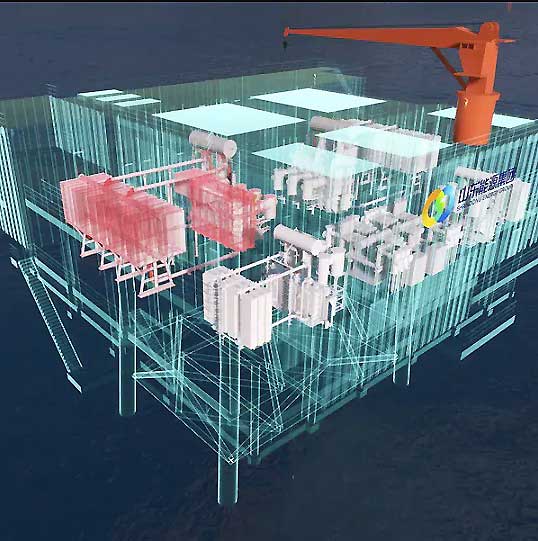
To transition from coal to wind power, PowerChina ZhongNan Engineering Corporation Limited built the Bozhong Offshore Wind Farm in China’s Shandong province. This project was the first in the country to operate at “grid parity,” meaning it could generate electricity from wind at a price equal to or lower than coal.
Here’s how Bentley’s software made a difference:
- Increased Efficiency: Engineers used Bentley software to create a digital twin of the wind farm, which increased efficiency by 30%.
- Reduced Costs: The use of Bentley software helped optimize the turbine foundations, eliminating the need for 8,557 tons of material and significantly lowering development costs.
- Environmental Impact: The wind farm now has the potential to provide 500 megawatts of power through 60 wind turbines. This saves more than half a million tons of coal and reduces carbon dioxide emissions by 1.25 million tons annually.
These case studies are great examples of how digital twins and other digital technologies are being used to create a more sustainable future for water and energy resources.
Building a More Sustainable Infrastructure Future
This Earth Day, let’s all remember that we have the power to make a difference. By working together, and by harnessing the power of technology, we can create a more sustainable future for ourselves and for generations to come.
All year round, we are proud to do our part in engineering a better, more sustainable world. Bentley’s approach to sustainability is centered on empowering our users to achieve sustainable development goals. To achieve these goals, we provide innovative software that supports the entire lifecycle of infrastructure projects, from design to operation. Our digital twin technology is a cornerstone of this effort, enabling the optimization of designs to reduce material use and carbon footprints, as demonstrated in clean energy projects and resource management.
Learn more about Bentley’s sustainability program. Explore our full approach to sustainable infrastructure and ESG outcomes ❯