You know that something extraordinary is happening on the outskirts of Abilene, in the Big Country part of Texas, even before you arrive. By 6 a.m., a line of cars stretches a mile from the highway to where thousands of workers are building one of the biggest data center sites in the world.
Preston Williams of DPR Construction, the project’s general contractor, is part of the team building the Abilene data center. Its size is staggering. One of the largest such centers in the U.S., and possibly the world, the site will span 4 million square feet, roughly 70 football fields, and include eight buildings that will each house up to 50,000 Nvidia artificial intelligence (AI) chips. The center’s power needs will approach 1.2 gigawatts, rivalling the output of a nuclear plant. The center will be part of the $500 billion Stargate program that will provide the massive infrastructure needed to power the boom in AI. “It really is a place to test how to plan a job correctly, because you have to have some way to organize the madness,” Williams says.
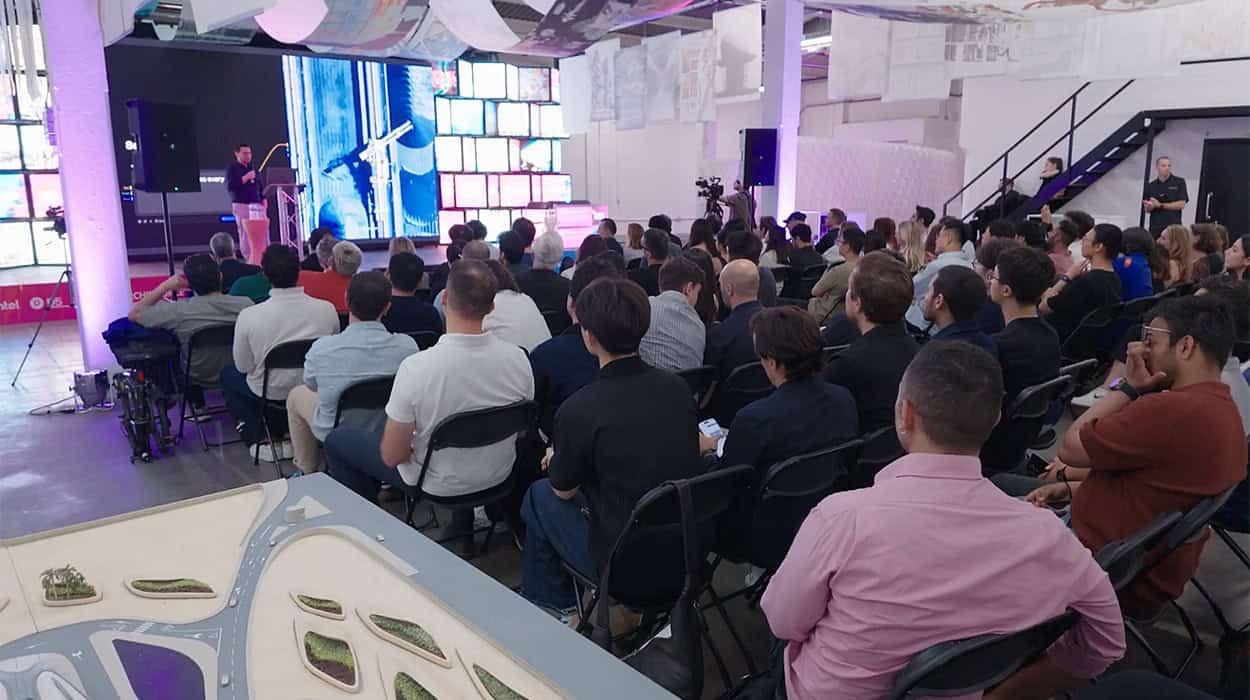
Williams sat down with the Bentley Horizons podcast to talk about the massive project, in an episode that’s all about hyperscale data centers—about what it takes to plan, build, power, cool, and secure megaprojects that rival the size of New York’s Central Park.
The podcast’s latest episode also hosts David Lawson of Assystem, one of the world’s top nuclear engineering firms, Dara Khera and Sukshma Paranjpe of the startup Bohm, and David Ayeni, global director of Infrastructure Cloud Partner Experience at Bentley Systems. You can read about more of David’s work on the blog. Join the conversation below:
Ground investigation is often seen as a project cost, not the critical insurance policy it truly is, says Carl Grice, who leads geotechnical data management at Seequent. “Having a good understanding of the underground is how you de-risk your project, and that starts with good data,” he says.
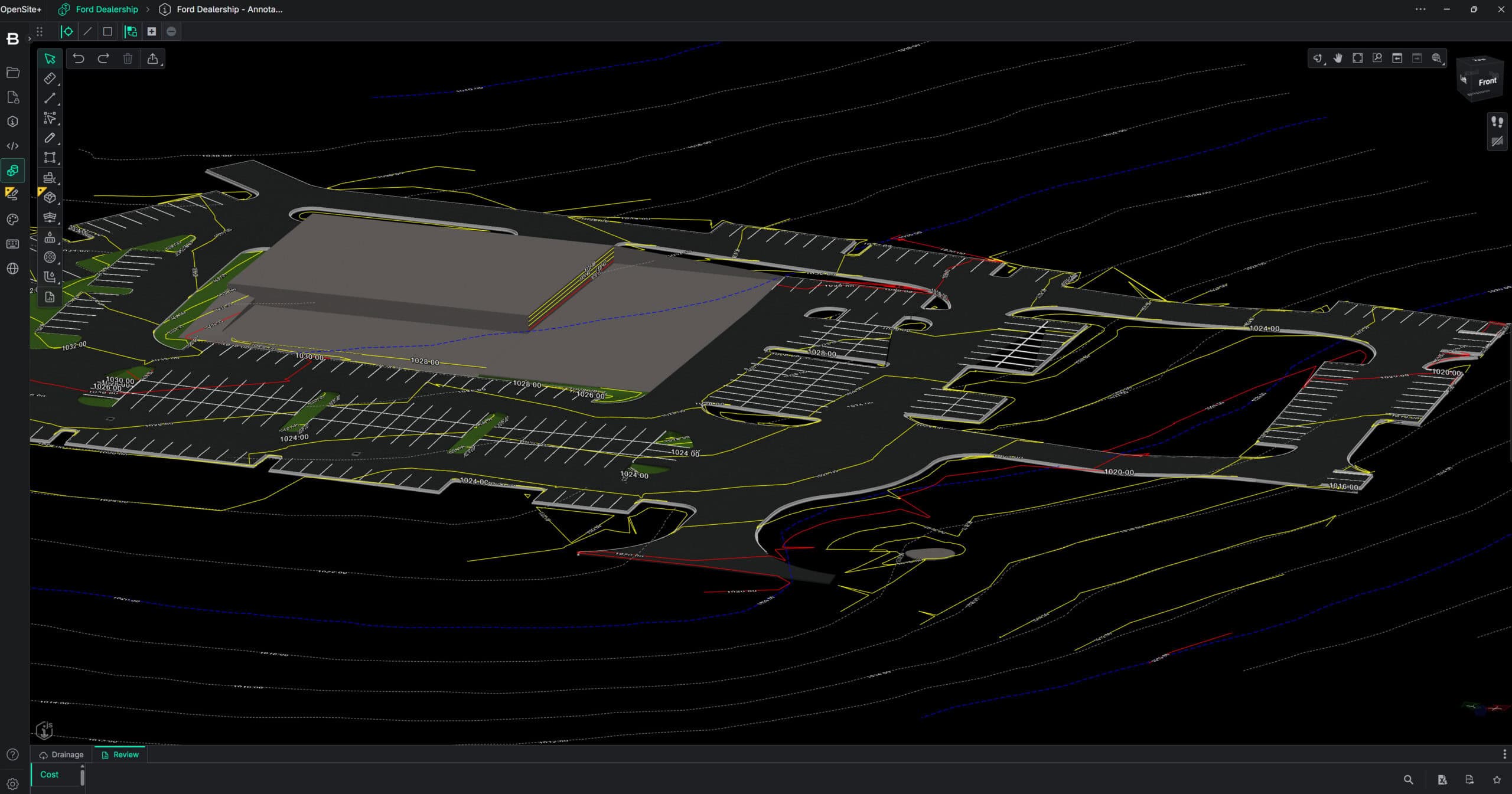
Site investigation data—such as boreholes, core photos, field tests, and lab results—needs to be captured, quality-checked, and instantly made available across disciplines. Everyone involved in the design process should be working from the same trusted ground model.
This is where OpenGround comes in. Seequent’s cloud platform for subsurface data management, OpenGround tracks every site test, sample, and lab result, showing exactly which boreholes informed which models and which analyses were run using them. This transparency is essential for collaboration, accountability, and learning—especially on multi-year projects.
But good data doesn’t only come from today’s investigations. The industry is waking up to the untapped value locked in decades of legacy records. “There’s a frenzy of activity across the industry,” Grice says, “to extract information from historic ground investigation reports—sometimes stored in boxes and boxes of paper.”
When done right, the payoff is substantial. For example, the U.S. Army Corps of Engineers recently used OpenGround to centralize its historical ground investigation data from 8,600 sites across the U.S., including boreholes, lab results, and cone penetration testing data. That’s roughly 2.5 million meters of exploration. The Corps now has a half-billion-dollar data asset that will enable future savings from more targeted drilling and data reuse.
A Soaring AI Workload
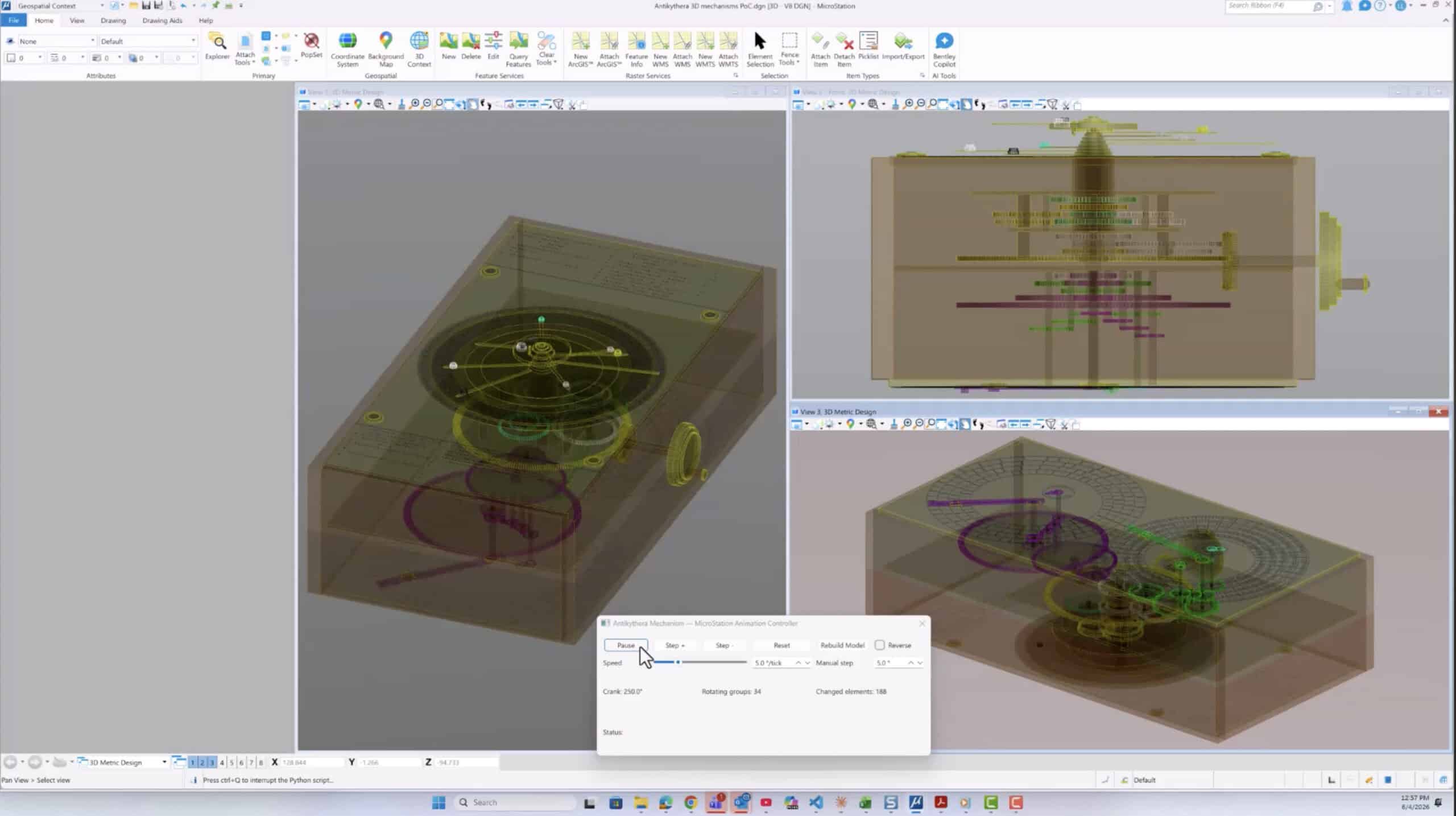
Demand for AI infrastructure, which is already growing at a rapid clip, is set to rise further, with some analysts predicting that the workload of data centers will triple in the next five years alone. For these massive projects, 4D planning, which links 3D models to construction schedules, can be key. It allows users to design and visualize the project and get maximum stakeholder buy-in before any concrete is poured. Williams notes the advantages of using the 4D planning capabilities in Bentley’s SYNCHRO platform, particularly when so many workers at the Texas site are new hires. “The model paints a picture of the scope of work they’re going to install even if they’ve not built it before,” he said.
The Henry Ford Approach to Nuclear Power and Data
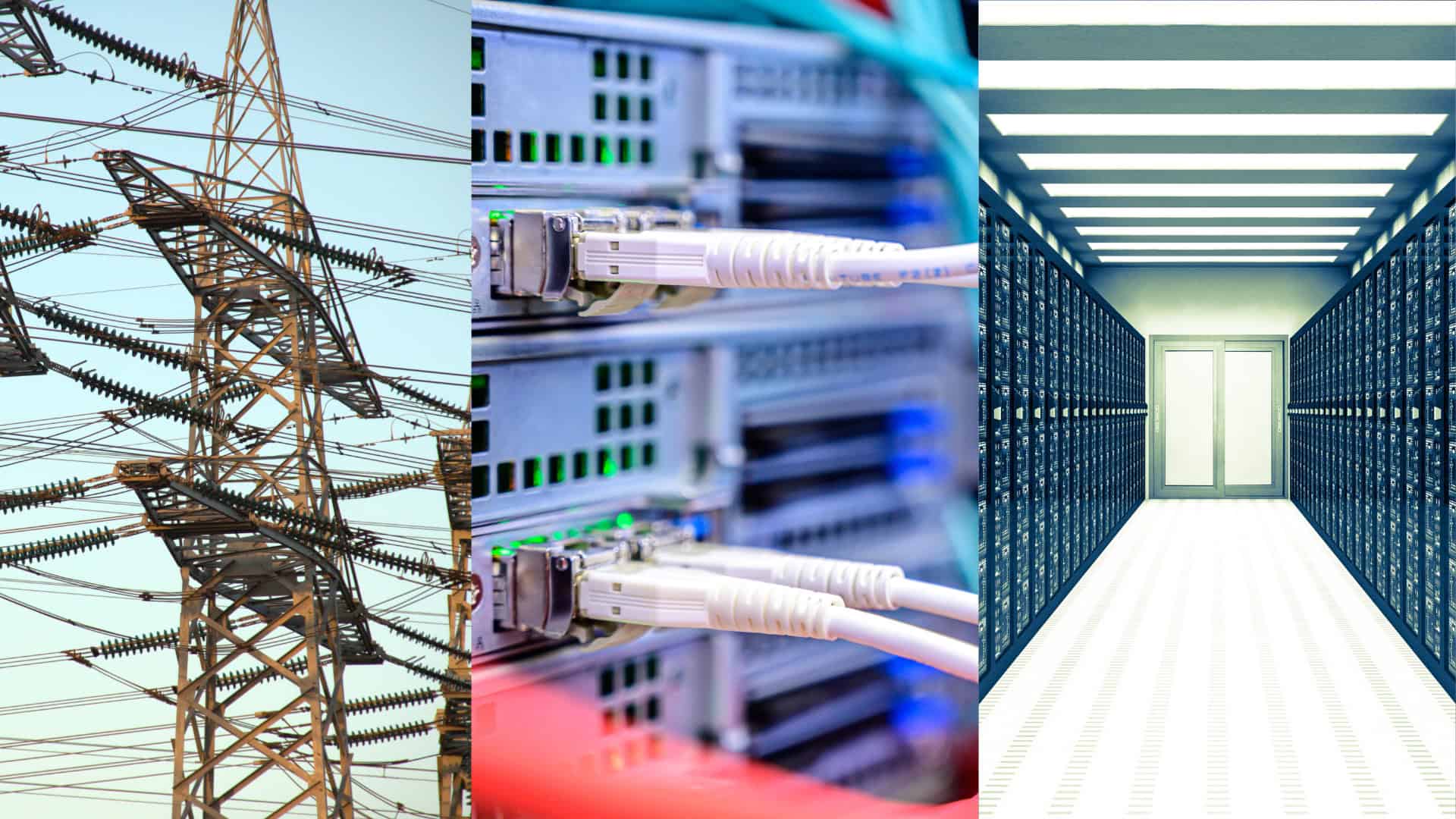
Another challenge is powering the power-hungry centers. That’s where nuclear power and small modular nuclear reactors, or SMRs, come in, says Assystem’s Lawson. He says SMRs—which are smaller than traditional nuclear power plants and can be partially built from prefabricated components—offer an important advantage in the standardization and modularity of their designs. Lawson calls it “the Henry Ford approach to nuclear power plants.” It allows them to be built faster and more cheaply compared to conventional reactors.
“What we’re seeing is a huge demand for reliable baseload power,” where the reliability of the power is 95% plus, Lawson says. “Data [centers] rely on continuous power, something which solar and wind—at least in the U.K.—can’t quite make it. They need the baseload power, and in reality, in the fight against climate change, only nuclear can provide that kind of power level.”
Trusting Trustlessness
The demand for hyperscale data centers is also creating the market conditions where new alliances and partnerships are happening fast. As head of Infrastructure Cloud Partner Experience, Ayeni is taking the lead in Bentley’s partner experience. “No one company can solve the problem of infrastructure projects,” Ayeni tells the podcast. “My role is all about finding best-in-breed partners all through the infrastructure lifecycle.”
One of those new partners is innovative construction startup Bohm. Khera, the company’s CEO, tells the podcast that outside of a few lucky hydropower-rich places like Scandinavia or Quebec, nuclear is the ideal, most carbon-neutral power source for data centers.
SMRs, of course, need to be deployed with strict security, safety, and compliance with regulations. Here, Khera says “trustlessness”—a core concept in blockchain technology and cryptocurrencies—would be key.
“When we say ‘trustlessness,’ we mean your data doesn’t go to a centralized entity,” Khera says. “By distributing this to thousands of different nodes, it effectively becomes tamperproof, like Bitcoin.”
The Bentley Horizons podcast is hosted by Tomas Kellner, Bentley Systems’ Chief Storyteller, and Paul Wilson, Chair of the Advisory Board for the Online Publication SmartCitiesWorld.net. Listen to the Bentley Horizons podcast episode about data centers and their construction here.
Accelerate Data Center Delivery
Reduce time to revenue for
AI Infrastructure with Bentley
FAQ:
The $500 billion Stargate program is an initiative designed to build the massive infrastructure needed to power the ongoing AI boom. As part of this program, the new hyperscale data center in Abilene, Texas, spans a staggering 4 million square feet—roughly 70 football fields. It will feature eight buildings, each housing up to 50,000 Nvidia AI chips, and require an impressive 1.2 gigawatts of continuous power.
To organize the immense complexity of these megaprojects, teams use 4D construction planning with Bentley’s SYNCHRO platform to link 3D models directly to construction schedules. This allows stakeholders to visualize the entire project and gain buy-in before a single drop of concrete is poured. It is also an excellent training tool, painting a clear picture of the scope of work for thousands of newly hired workers who may have never built on this scale before.
AI data centers require highly reliable baseload power that continuous, 24/7 operations demand, which traditional solar and wind cannot always guarantee. Small modular nuclear reactors (SMRs) offer a low-carbon, sustainable alternative using a “Henry Ford approach” of standardized, prefabricated components. This modularity means these power-hungry centers can be supplied with reliable nuclear energy much faster and more cheaply than by building conventional reactors.