 Future engineers puts their model bridge through one of the rigorous tests during the 2026 AASHTO Bridge Challenge.
For Bentley Systems, which has sponsored the AASHTO Bridge Challenge for more than 20 years, reaching students like Miller is one of the most direct answers to a recruiting problem the industry can’t ignore. “The workforce crisis is real,” said Julie Von Portfliet, Bentley’s director of education for North America. “A lot of it comes down to students simply never hearing about civil engineering as a career.”
Von Portfliet speaks from experience. She first encountered the field through a high-school scholarship that paid her way to Michigan Tech. “Otherwise I would have never known,” she said. “Civil engineering isn’t something most kids are exposed to unless somebody in their family works in the field.”
The 2026 AASHTO Bridge Challenge, held alongside AASHTO’s spring meeting, is built to change that. Now in its third decade as the flagship of AASHTO’s STEM Outreach Solutions program—currently active in 21 states—the competition welcomed 18 finalist teams after a panel of engineers reviewed 90 portfolio submissions.
The contest spans what Von Portfliet calls “the complete engineering circle.” Students design a bridge in Bentley software and in ModelSmart, a program that lets them build and stress-test balsa-wood structural models on a computer before cutting a single piece. Next, they assemble a physical model from a kit, write a detailed proposal, present their work to judges and submit their bridge for destructive load testing on a hydraulic press. Teams are scored on scientific principles, structural reasoning, CAD work, project schedule and more. “The program spans research and proposal through digital design, presentation and testing,” Von Portfliet said. “In other words, a real job, compressed to scale.”
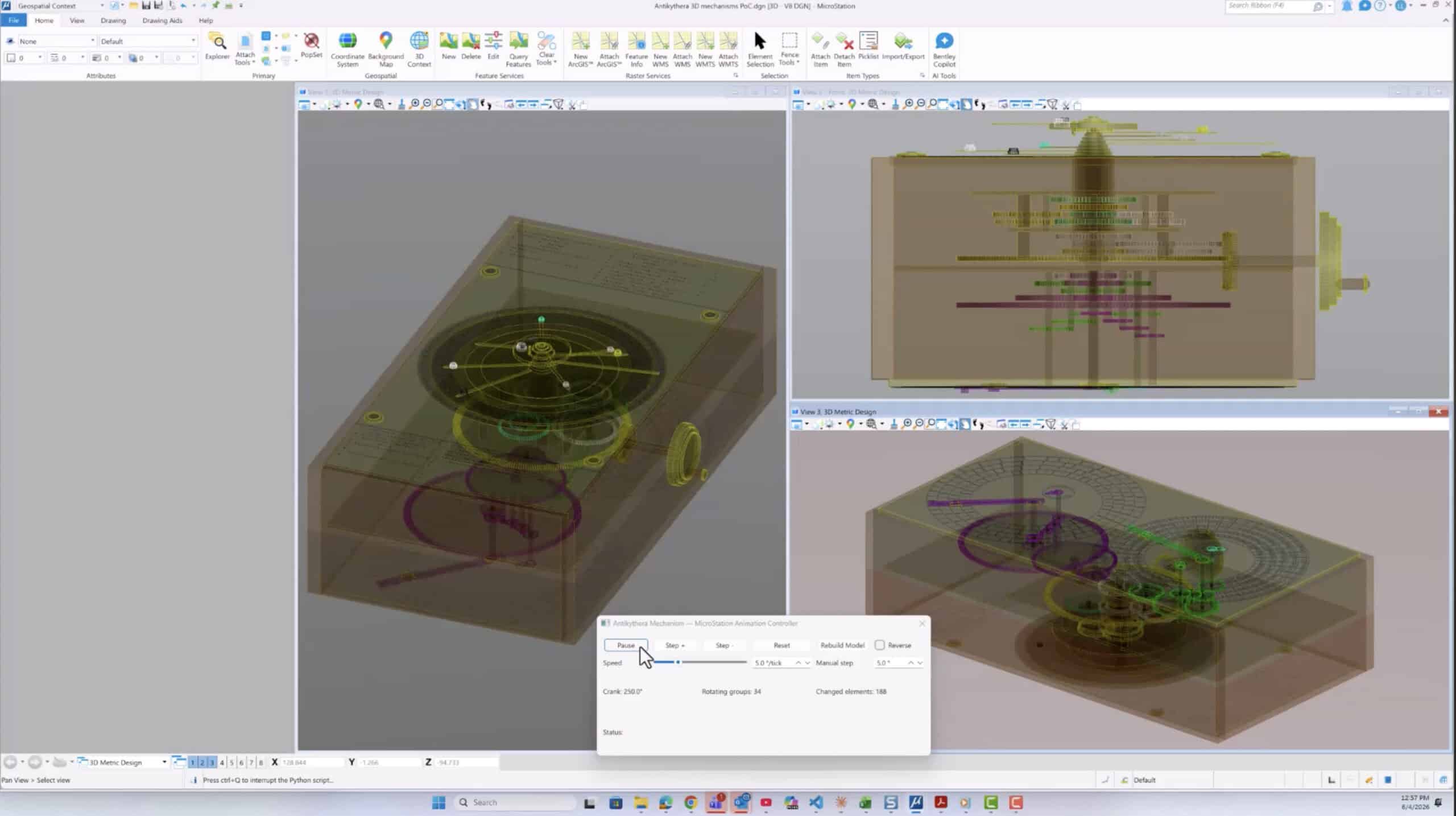
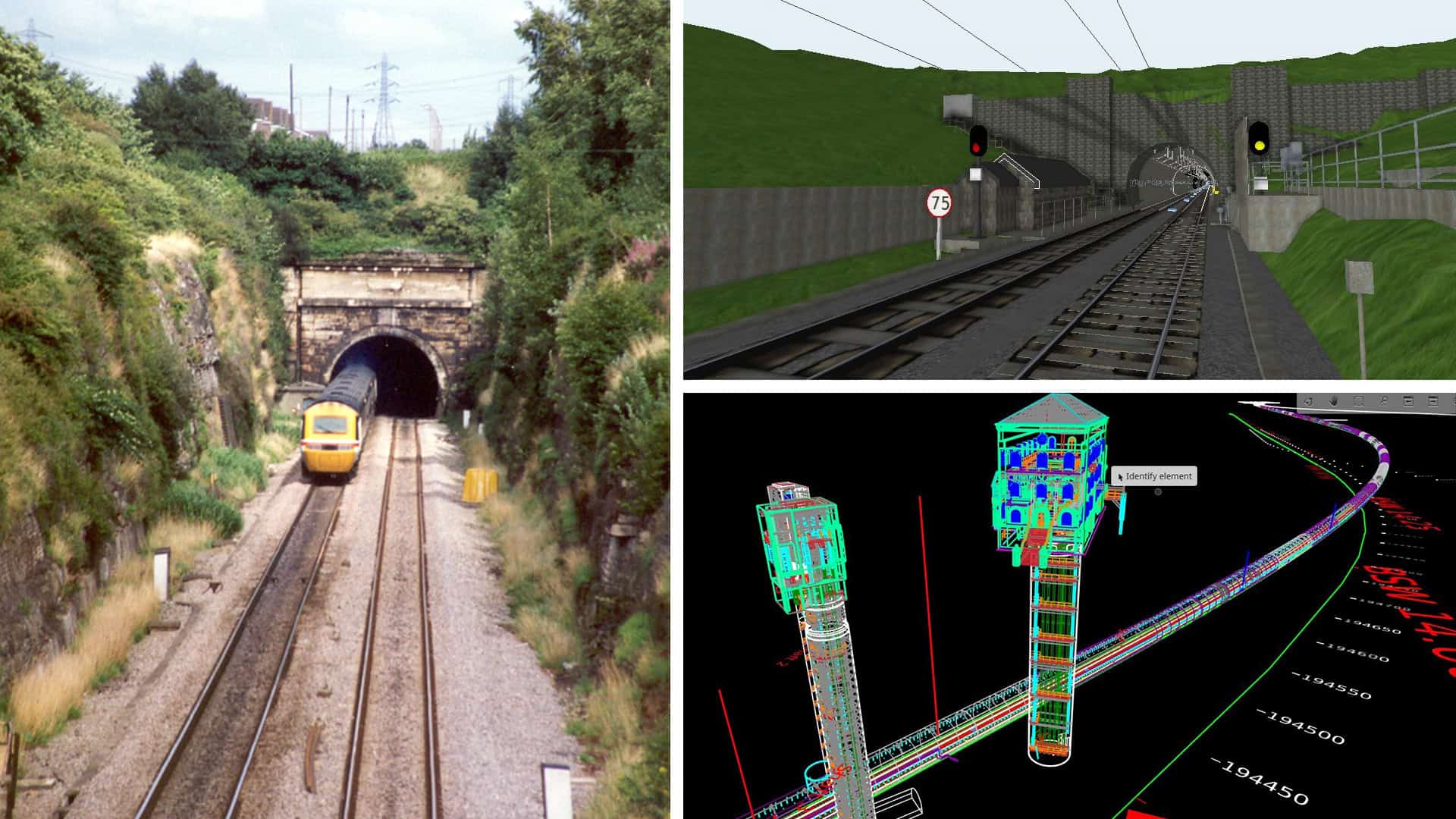
For Miller’s team, the digital design phase was a revelation. Working in 3D in Bentley’s MicroStation software for the first time, she described watching her 2D blueprints come alive on screen. “You see this thing grow,” she said. “I loved how you used the blueprints you already made and built off of them. It helped make the isometric view real in your eye, so you could see what to expect when you started building. It really helped our team visualize and follow our design correctly.”
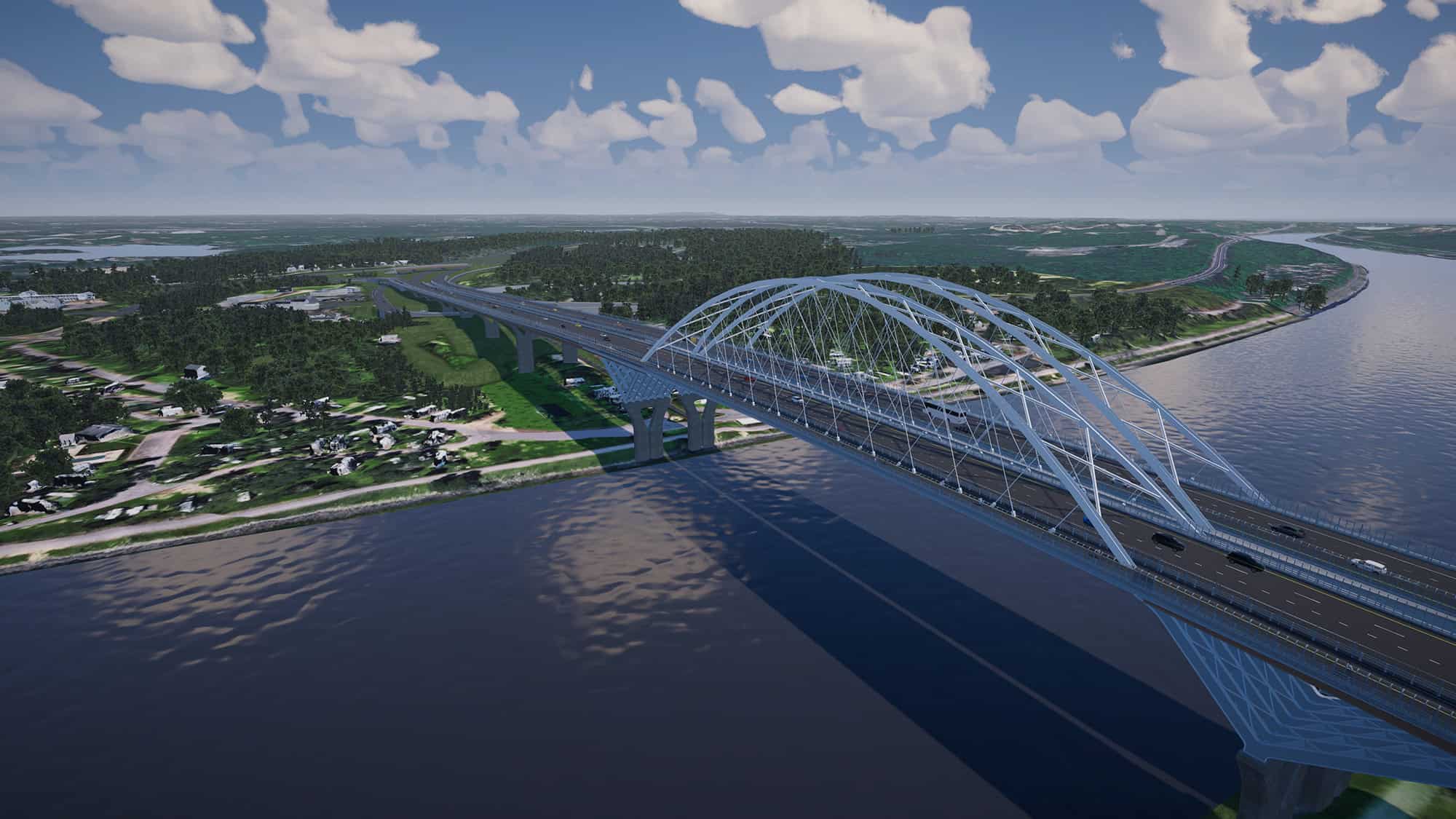
The ambition of student work has climbed sharply in recent years. Early in her career at the Michigan Department of Transportation, Von Portfliet said, “you’d get a 2D design, three views of a bridge. Now you’re getting full 3D models. Some kids are using drone footage of actual bridges in their area, capturing that footage, modeling with it, and then creating a design based on what they found.”
Pulling that off at the national level takes resources. Bentley provides free design software to every team that receives a building kit, roughly 120 to 150 teams a year, and supplies engineers for the judging panels. The company’s expanded sponsorship also let AASHTO double the number of teams invited to the national finals.
“Without sponsors like Bentley, we couldn’t do this,” said Julia Smith, AASHTO’s STEM Outreach Solutions program training manager. “They provide the software for free, they sit on panels, they give constructive feedback. They understand the influence and the expertise they bring.”
What surprises Von Portfliet most is the poise the students show once they arrive. “They get up in front of directors of transportation from across North America and fearlessly deliver their presentations,” she said. “Then they walk off and ask the Caltrans director what the job market looks like.”
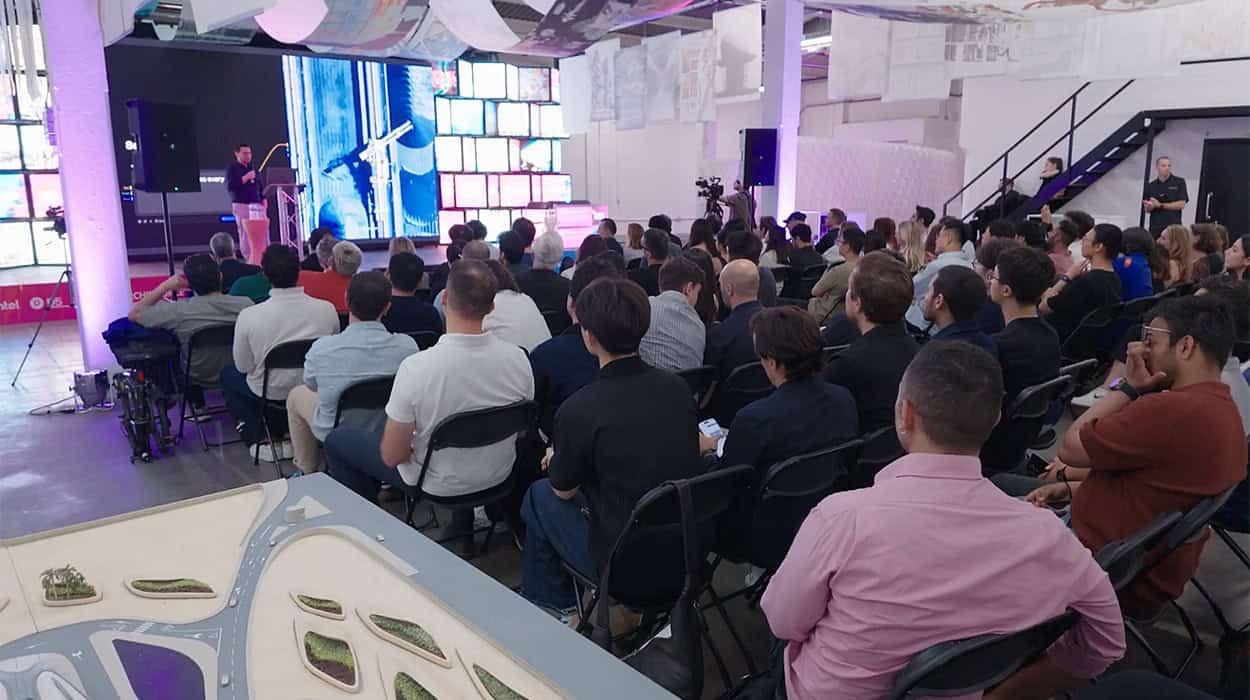
 Eighteen 18 elite middle and high school teams presented their bridge models during 2026 AASHTO Bridge Challenge in Savannah, GA.
Miller fit that description. As her team’s self-described “environmental and transportation engineer,” she managed the paperwork, led the research and helped build the trusses. She hopes to pursue architecture, but civil engineering isn’t off the table. “I love being able to design structures and know that people will use them,” she said. “And it’s nice, especially as a female, to do something with your hands, to use your brain in STEM. It’s not always shown that you can build things, that you can figure these problems out. But you can. And when you get to this point, it’s an achievement.”
Russell McMurry, commissioner of the Georgia Department of Transportation and AASHTO’s 2025–2026 president, addressed the competitors in the same spirit. “What you are doing here today is near and dear to me,” he said. “We really need engineers of many types, because engineers are the ones figuring out how to make things better for our communities.”
Kim Benson, the teacher who brought Miller’s team to Savannah, has seen the effect up close. “Many of the kids I’ve taught have never built anything before,” she said. “This type of competition generates a lot of excitement and engagement between the students and the engineering work they are doing.”