The 2026 El Niño and the rise of cascading power grid failures
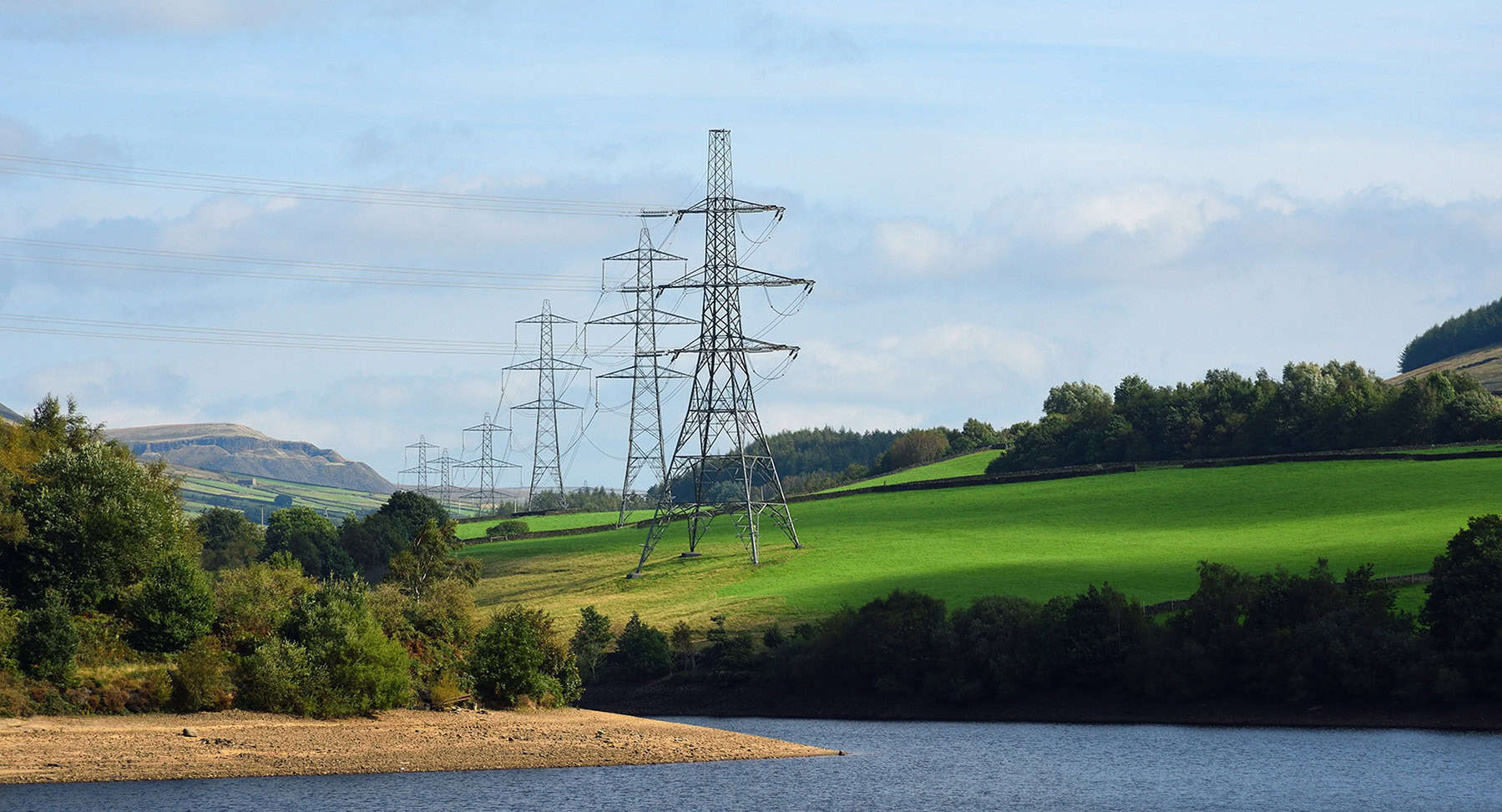
This year’s potential El Niño is accelerating climate-driven risk across the power grid. The shift is already visible in early warning signals across utility operations. As it increases the likelihood of extreme weather, utilities are using digital twin technology and grid modeling software to prepare for cascading climate events. Soil saturation running ahead of schedule. Substation elevation maps getting a second look. Wildfire risk extending into periods that used to be operationally stable. Individually, these are manageable. Together, they point to something different.
Forecasters at the NOAA Climate Prediction Center estimate a greater than 60% chance of an El Niño developing by mid-2026, increasing climate-driven grid risk and extreme weather variability.
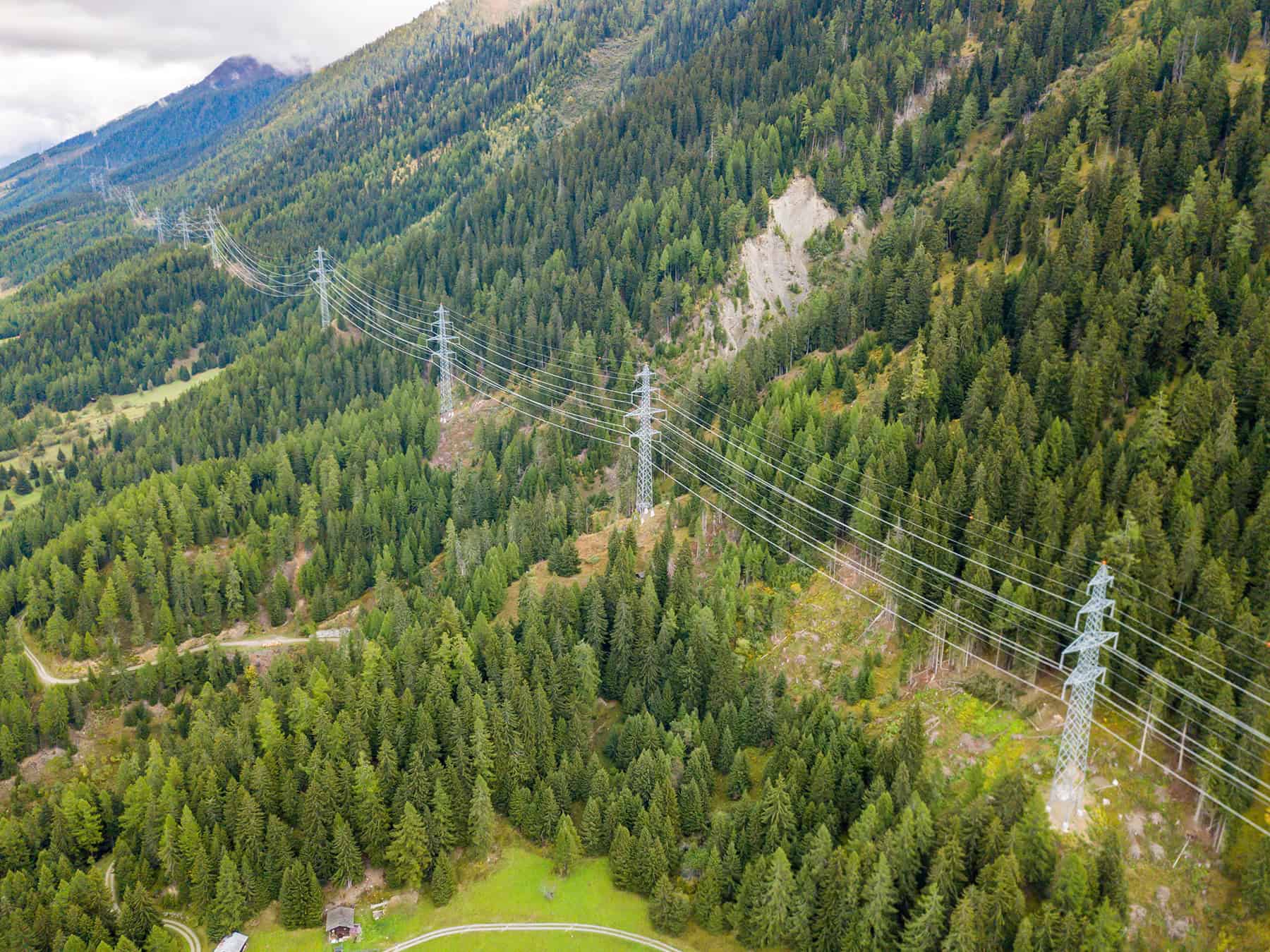
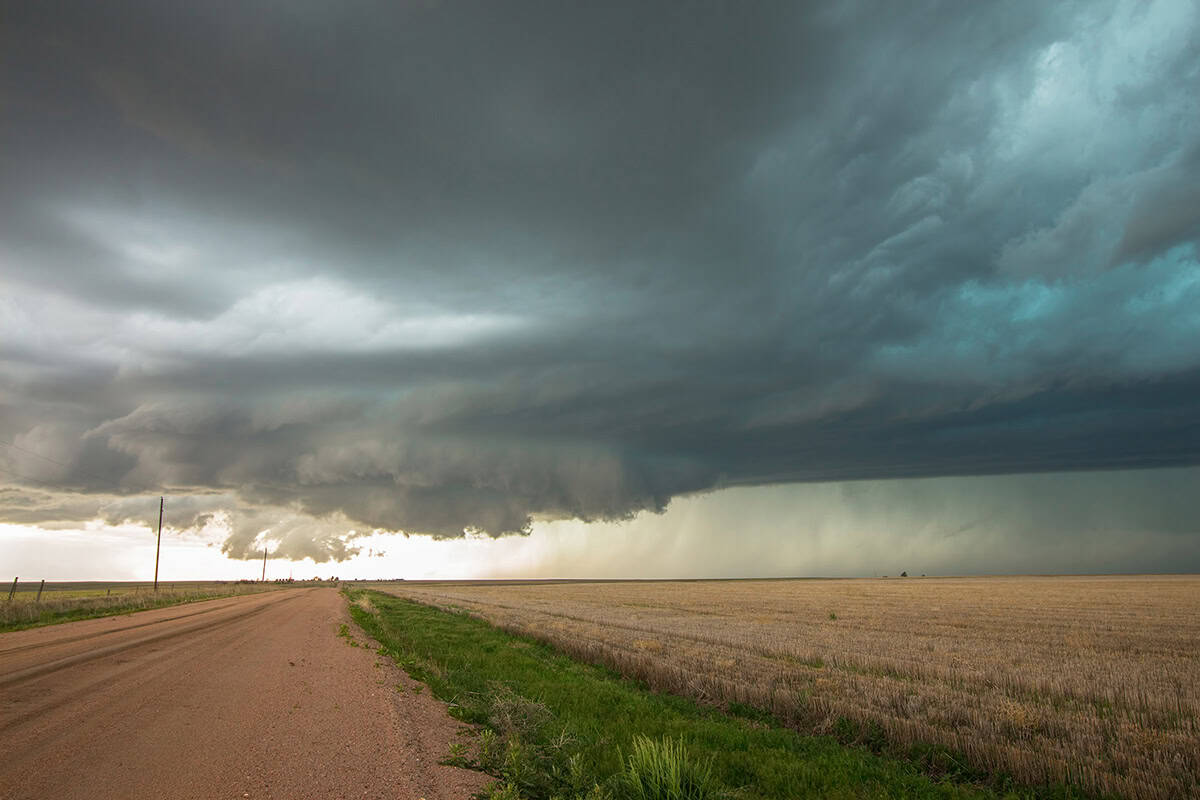
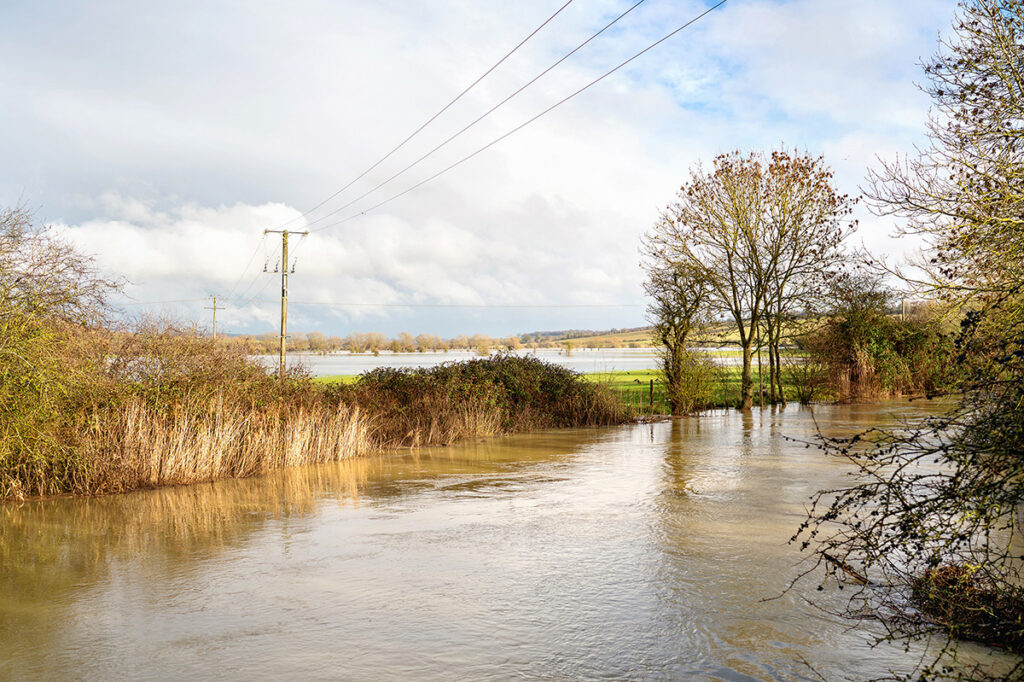
What we’re managing now isn’t a single disruption, but a pattern of cascading infrastructure failures across the power grid. A flood weakens infrastructure just ahead of peak demand. High winds follow prolonged rainfall. Wildfire conditions extend into peak load periods. The grid was not built for continuous stress—and most of our planning models weren’t either.
Why grid planning must shift from single events to cascading risk
We’ve historically built resilience around recovery. An event hits, crews mobilize, power is restored, and the system resets. But that model assumes time between separate events. Increasingly, that time doesn’t exist. What we’re managing now is interdependence—one event weakens the system for the next, and risk compounds faster than planning cycles can adjust.
That reality shows up in everyday decisions:
- Whether to de-energize a circuit ahead of forecasted high winds
- Whether a substation that flooded last quarter can withstand another event before permanent mitigation is in place
- Whether restoration estimates begin to slip as crews are redeployed to overlapping outages
Sometimes it shows up at 2 a.m., when operators must decide whether an outage is contained or the beginning of something broader.
Most utility grid planning frameworks weren’t built for cascading climate risk or continuous infrastructure stress. They rely on historical patterns, assess risk in discrete scenarios, and optimize for response rather than anticipation. In a world of sequences, those assumptions begin to fail.
Disconnected grid data is the biggest barrier to resilience
Utilities are not lacking data, but they lack a connected grid data environment to analyze climate risk holistically. They have asset condition data, engineering models, weather projections, and operational constraints. But those inputs are rarely connected in a way that reflects how the system actually behaves under stress.
As a result, we’re left:
- Stitching together partial views
- Running isolated analyses
- Relying on experience to fill the gaps
This is not just a visibility problem—it’s a decision-confidence problem. We can see risk forming, but not clearly or quickly enough to act across engineering, operations, and regulatory timelines. That gap is where resilience strategies begin to break down.
Utilities have the data but lack a connected system view
Utilities are not starting from zero. Teams are already:
- Modeling structural integrity across poles and towers
- Assessing flood risk at substations
- Running contingency scenarios across the network
Each of these efforts provides value. But they are often disconnected. While utilities can analyze individual risks, it’s much harder to understand how they compound across assets, systems, and time. The shift required is not entirely new work—it is connecting the work already underway.
How digital twin technology improves grid risk modeling
This is where digital twin technology and connected data platforms begin to transform grid resilience planning.
By creating a connected, continuously updated view of the grid, utilities can bring engineering, geospatial, and operational data into a single environment—one that reflects how the system actually behaves. With solutions like Bentley’s iTwin Platform and ProjectWise, data becomes governed, accessible, and usable across teams.
Within that environment, utilities can simulate not just isolated events, but sequences. They can:
- Use Power Line Systems to evaluate how repeated wind loading affects structural integrity over time
- Leverage OpenFlows FLOOD to model substation flood exposure and test mitigation strategies
- Run system-level analyses to understand how localized failures cascade under real operating constraints
This is not about more analysis. It is about understanding how risk evolves—so utilities can act earlier, and with confidence.
Targeted grid investment using risk-based modeling
Utilities have made significant investments in grid hardening, but in an environment defined by compounding risk and constrained capital, broad approaches are no longer sufficient. Without a connected view, utilities are often forced to spread investment widely instead of targeting what matters most.
A more connected, simulation-driven approach enables a fundamental shift. It allows teams to identify the small percentage of assets driving the majority of outage risk and align capital investment directly with actual system vulnerability. In an environment where every dollar is scrutinized, this is not just an operational improvement—it is how resilience is justified.

Why utility planning cycles lag behind climate risk
The tools to improve resilience are increasingly available. The challenge is aligning those capabilities with how utilities actually operate.
Utilities must operate within constraints, including:
- Long planning cycles
- Regulatory approval processes
- High scrutiny following outages
At the same time, the risk environment continues to accelerate.
This mismatch is becoming one of the most significant constraints utilities face. Even when risk is visible, organizations are not always positioned to act quickly enough. A connected data environment helps close that gap by providing the clarity and confidence needed to support earlier, more informed decisions.
What the 2026 El Niño will expose about grid preparedness
If a high-impact El Niño cycle materializes, it will not just test infrastructure—it will test how utilities plan.
The divide will not be geographic. It will be between utilities that can anticipate how risk builds across the system and those still responding one event at a time.
Because when the system fails, the impact is not abstract. It is:
- Customers without power
- Critical services disrupted
- Trust that is difficult to rebuild
How utilities should rethink grid resilience strategy
For years, the question has been whether the grid is ready for the next storm. That framing is no longer sufficient. The better question is whether utilities can see how risk is building across the system early enough to act differently.
Because resilience in the next era will not be defined by how quickly utilities respond.
It will be defined by how effectively they anticipate—and how confidently they act on that insight.
Building climate-resilient power grids with digital twins
The shift from reactive response to proactive resilience is already underway.
Utilities are rethinking how they plan, how they prioritize investment, and how they operate in an environment defined by compounding risk. The next step is scaling that transformation—connecting data, workflows, and teams to reflect how the grid actually behaves.
Bentley’s infrastructure engineering and digital twin solutions are designed to support that shift—helping utilities bring together engineering, environmental, and operational data into a connected, actionable view of the system.
The result is not just better insight. It’s the confidence to act.
Prepare your power grid for El Niño-driven disruptions and cascading outages with a connected, risk-based approach. Learn how Bentley’s electric utilities solutions improve grid resilience.