 Colleagues discuss ideas and solutions during a session at the Bentley Tech Summit 2025.
That collaborative atmosphere was intentional. More than 500 Bentley colleagues and users came to Berlin in December to do the hard work of understanding how infrastructure is designed, built, and operated today—and where friction still exists. The summit was a defining moment for how Bentley learns, builds, and partners with users of its technology.
The summit included hands-on, workshop-driven collaboration designed to “break walls” between disciplines, workflows, and tools. The goal was to turn insight into value in real infrastructure contexts.
“Coming together to have those conversations puts us in the right position to understand [our users’] challenges, understand the workflows and opportunities that they need to address, and then how we best service them,” said Brock Ballard, Bentley’s chief revenue officer. “I think that’s really an important element of what we’re doing, which is how do we collaborate and align to support and service the users and accounts that we interact with every day.”
Sessions were structured around workflows, not products. Users brought live project contexts, and Bentley teams listened, tested assumptions, and adapted in real time. Another unique element was that the summit brought together not only Bentley colleagues from around the world, but also users from other companies and organizations.
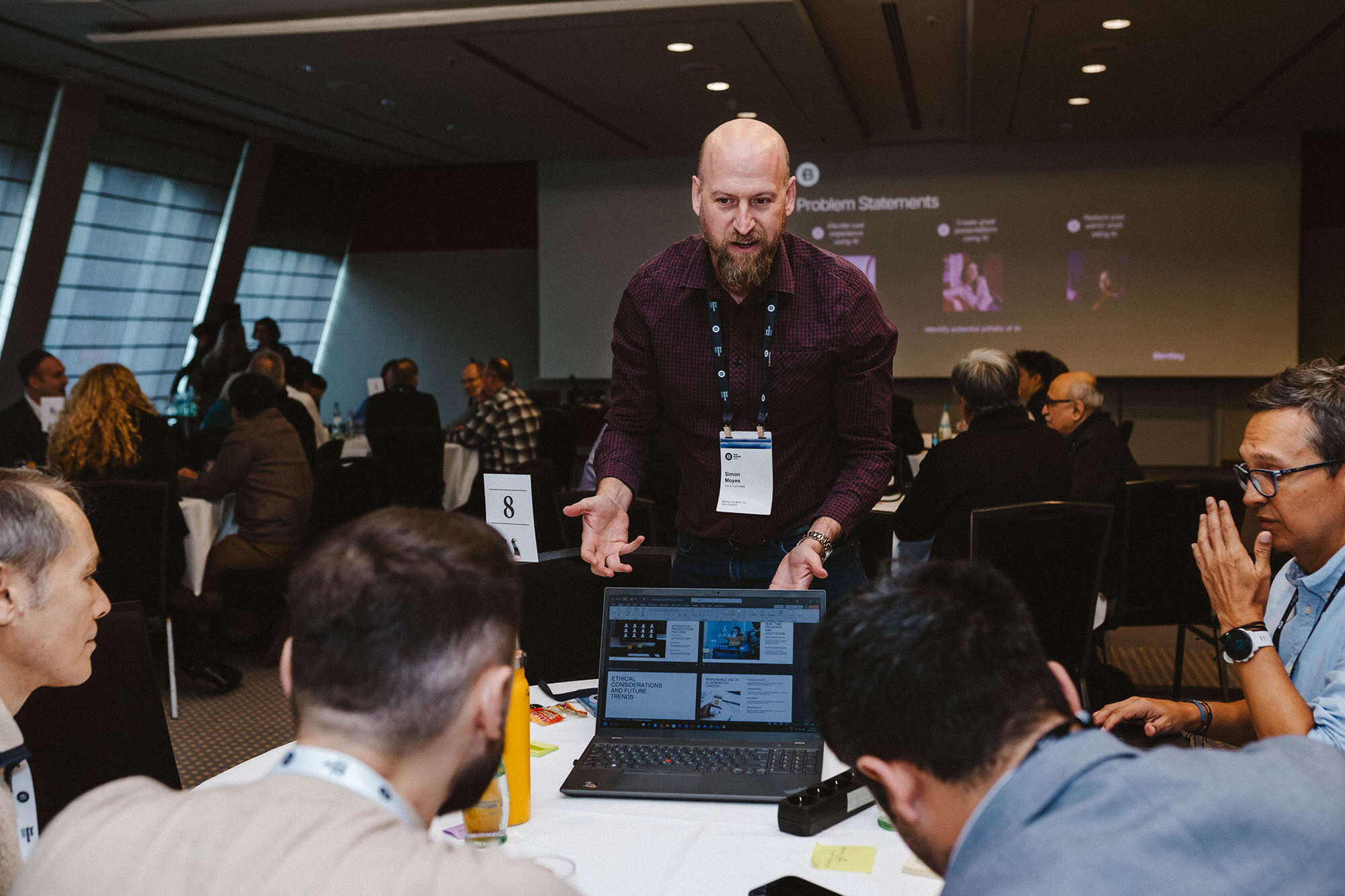 Colleagues and users participate in a training session during BTS25.
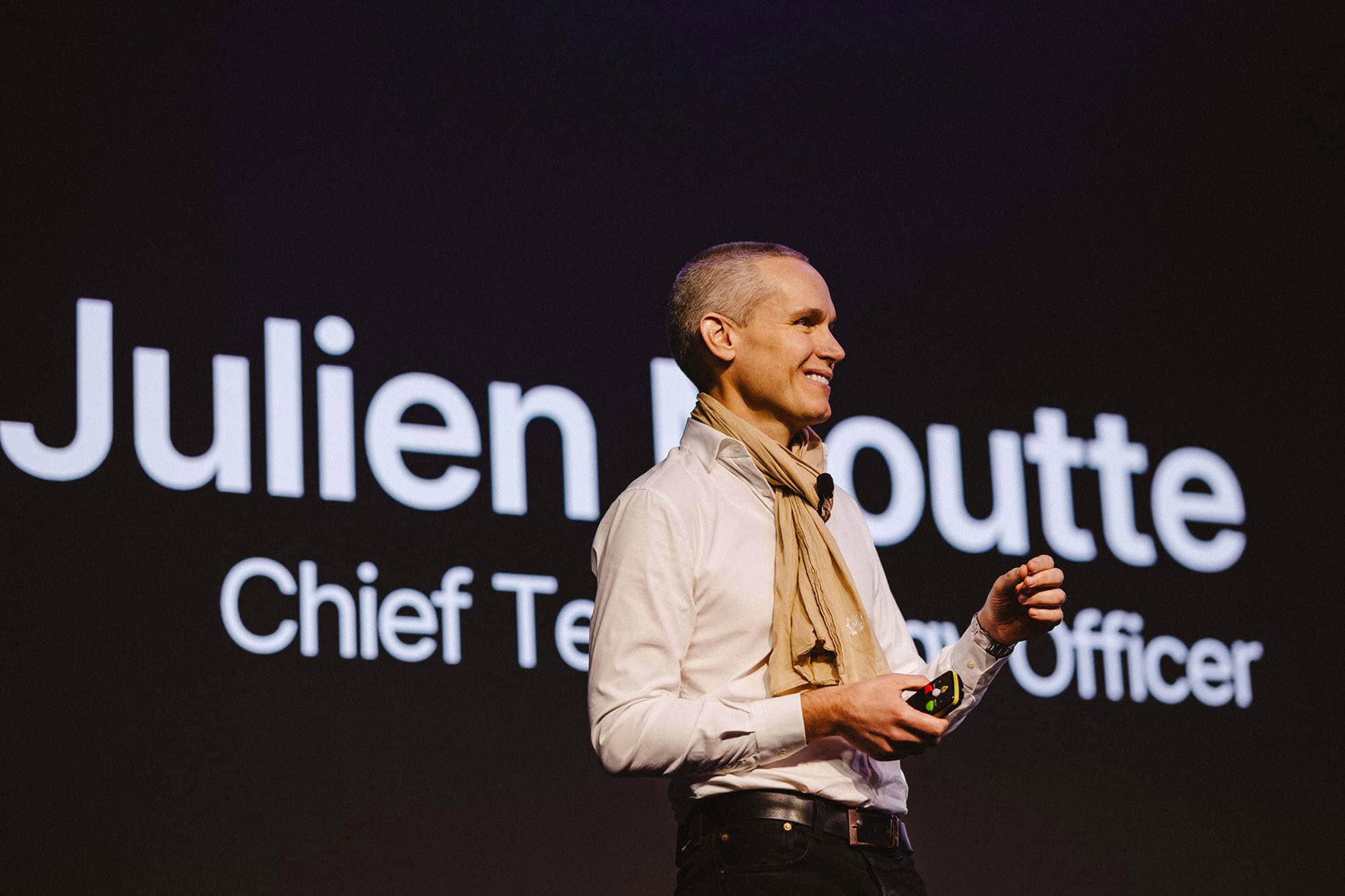
Bentley’s long-term vision was also front and center. Chief Technology Officer Julien Moutte used the summit to explain where the company is headed—and why. “We want the boundaries to disappear,” Moutte said. “Between the desktop and the cloud. Between humans and AI. And to bring all the insights we have about infrastructure into the hands of engineers so they can do their best work.”
That vision resonated with users who traveled to Berlin. Ross Brown, technical director at the engineering and consulting firm Beca, said the conversations reinforced his confidence in Bentley’s direction. “It was really exciting to see where Bentley is going with the software,” Brown said. After Moutte’s keynote, he put it more simply: “Inspirational. I like where it’s going—and I’m glad I’m on the journey.”
Summit feedback made it clear that users valued the deeper level of engagement. Industry participants like Barritt Lovelace of Collins Engineering noted that Bentley’s willingness to adapt software based on feedback—making tools more practical in real workflows—sets it apart. Several users stressed that their relationships with Bentley are defined not just by technology, but by the partnership ethos that events like BTS25 amplify.
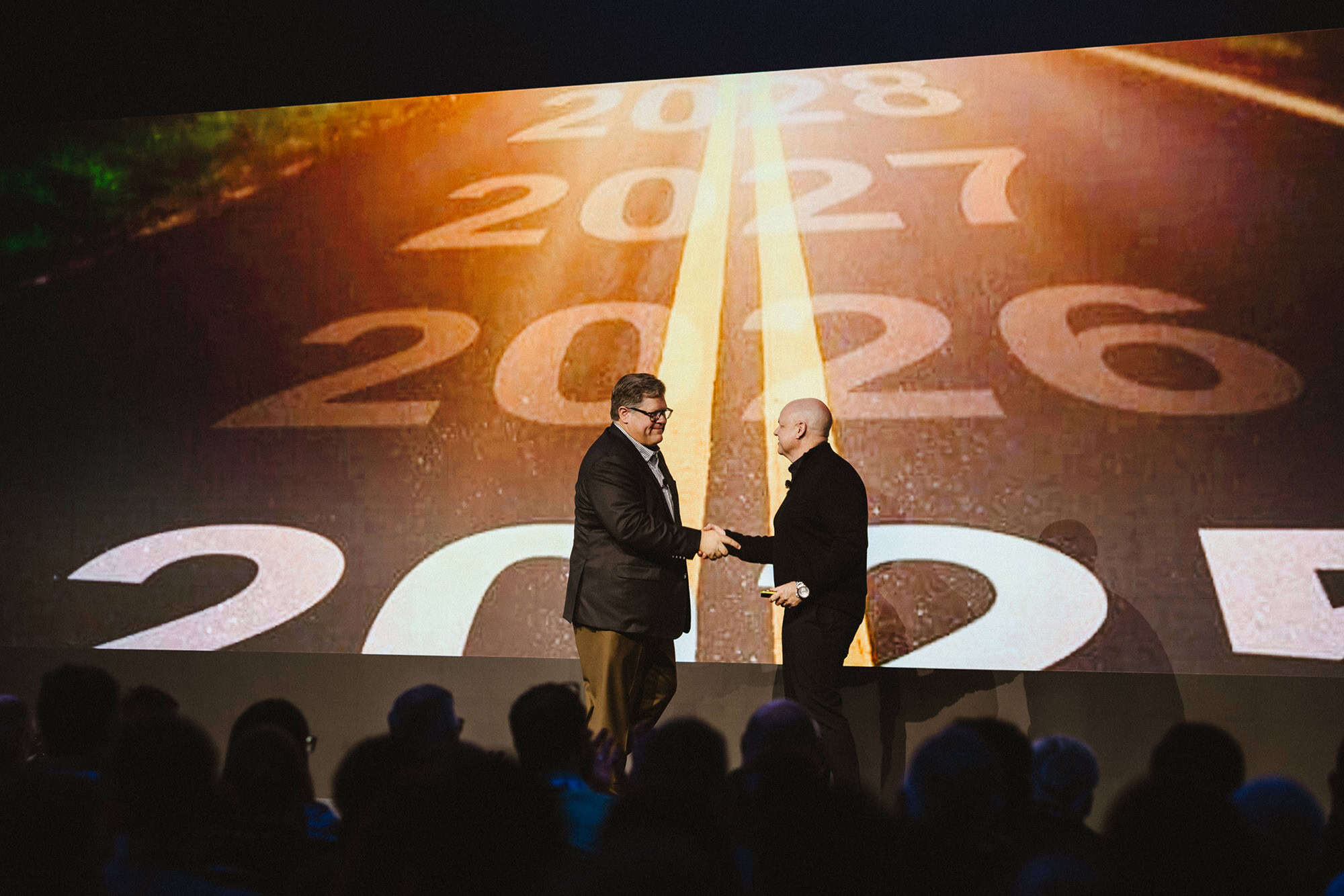 Brock Ballard, Bentley’s chief revenue officer (left) and Andy Rahden, VP, Solution Engineering & Services take the stage at BTS25 to discuss the company’s journey.
That sense of shared journey may be the summit’s most important outcome. BTS25 wasn’t about announcements, but rather alignment—among teams, tools, and Bentley and its users. The summit showed what happens when learning replaces pitching, when collaboration replaces silos, and when value is defined by real-world outcomes rather than features.
The Berlin summit made one thing clear: When Bentley collaborates with its users, progress accelerates—and trust follows. Says Ballard: “The best thing is the noise that you hear when people are together. They’re communicating. They’re talking about their story. They’re sharing experiences. I think the highest value here is the ability to share and grow together.”