“Thirty DeLoreans” is how Otto Lynch describes it. One of America’s top grid experts, he says the energy equivalent of 30 Back to the Future time machines—or 35 gigawatts—is what America needs by the end of this decade to power its AI data centers alone. (For those unfamiliar with the iconic time-traveling silver sportscar and its gull-wing doors, 1 gigawatt can typically power about 750,000 homes a year.)
To meet that demand, the country will need massive investments to upgrade the grid and build the transmission lines to bring the power to where it’s needed. Key to bridging that energy gap, says Bentley Systems CEO Nicholas Cumins, is Power Line Systems (PLS), the Bentley company headed by Lynch. PLS software is now used in the design of nearly every new transmission line in the world.
“Reliable energy delivery is more critical now than ever, as electrification and the rapid expansion of AI data centers place unprecedented stress on the global grid,” Cumins said in a recent call on Bentley’s latest earnings report. “PLS software is instrumental in bridging this power gap.”
Calling PLS the “gold standard” for power line design and analysis, Cumins noted that the business has also been a key driver of growth at Bentley: PLS revenue outside the U.S. is now as large as the entire business was when Bentley acquired it four years ago.
Notoriously, permitting can hold up new projects for years in the U.S. But Cumins said PLS continues to grow in the U.S. because of investment into the existing power grid, “just to make sure that it is capable of keeping up with the demand for more electricity” and is resilient in the face of extreme weather.
PLS is also at the forefront of Bentley’s rollout of Model Context Protocol (MCP) servers, sometimes called the “USB-C of AI.” MCP servers let AI agents like Claude or Copilot operate engineering software under the instruction of a human engineer giving commands in plain English. Bentley earlier this year released its first MCP server—for the company’s STAAD structural analysis software—and in June announced three new MCP servers for PLS products.
“This is an important milestone because it demonstrates how, with MCP servers, we can empower AI assistants to not only interact with engineering applications, but also directly with rich engineering data,” Cumins said.
Here are three stories about PLS, America’s electricity crunch, and Lynch, who coined the playful “30 DeLoreans” comparison and a leading expert in all things power lines.
The Software Behind The Grid's Next Upgrade
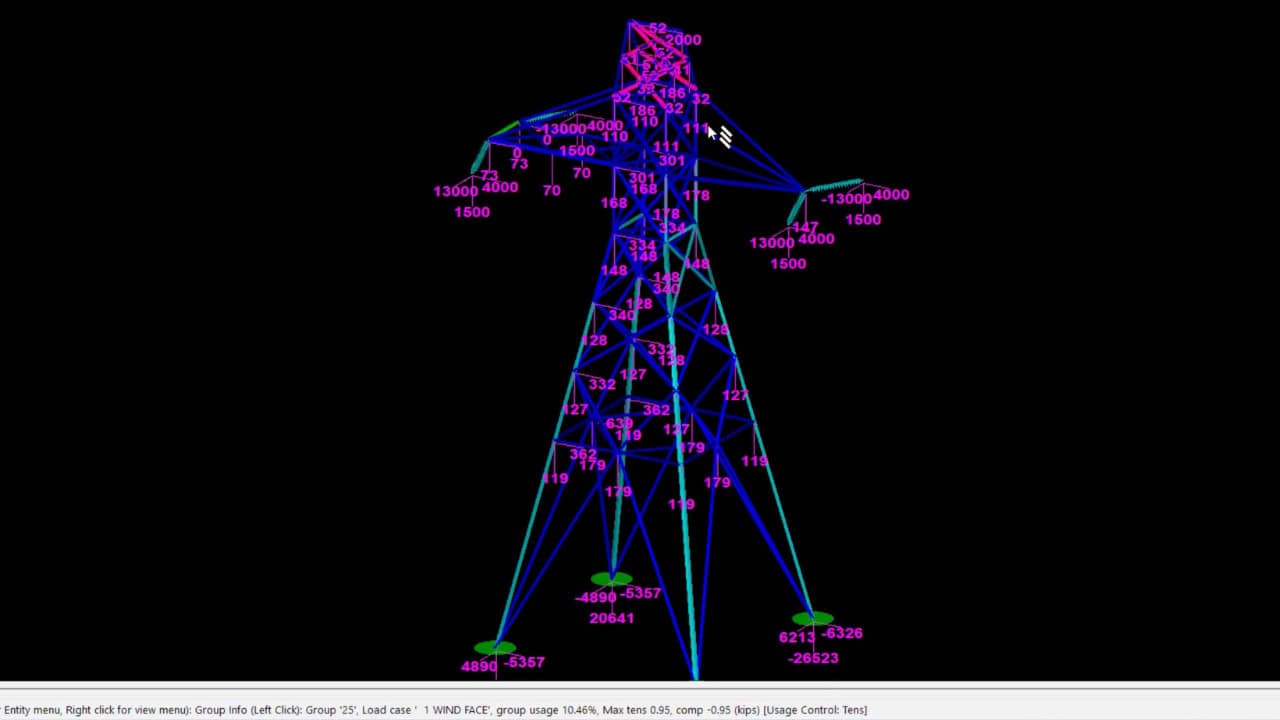
On his first day at an engineering firm in the late 1980s, Lynch says his boss handed him a floppy disk with a new software program for transmission towers that no one knew how to use. “You figure it out,” the boss said. Lynch soon learned to design and analyze transmission towers using the program, calling the engineer behind the program at Power Line Systems, then a Wisconsin-based startup, whenever he had a question. That relationship would eventually revolutionize the industry. Today, PLS is a Bentley company that helps engineers worldwide design nearly every transmission line on Earth.

America Needs More Power Than Ever. Tech Can Cut The Long Wait to Build It.
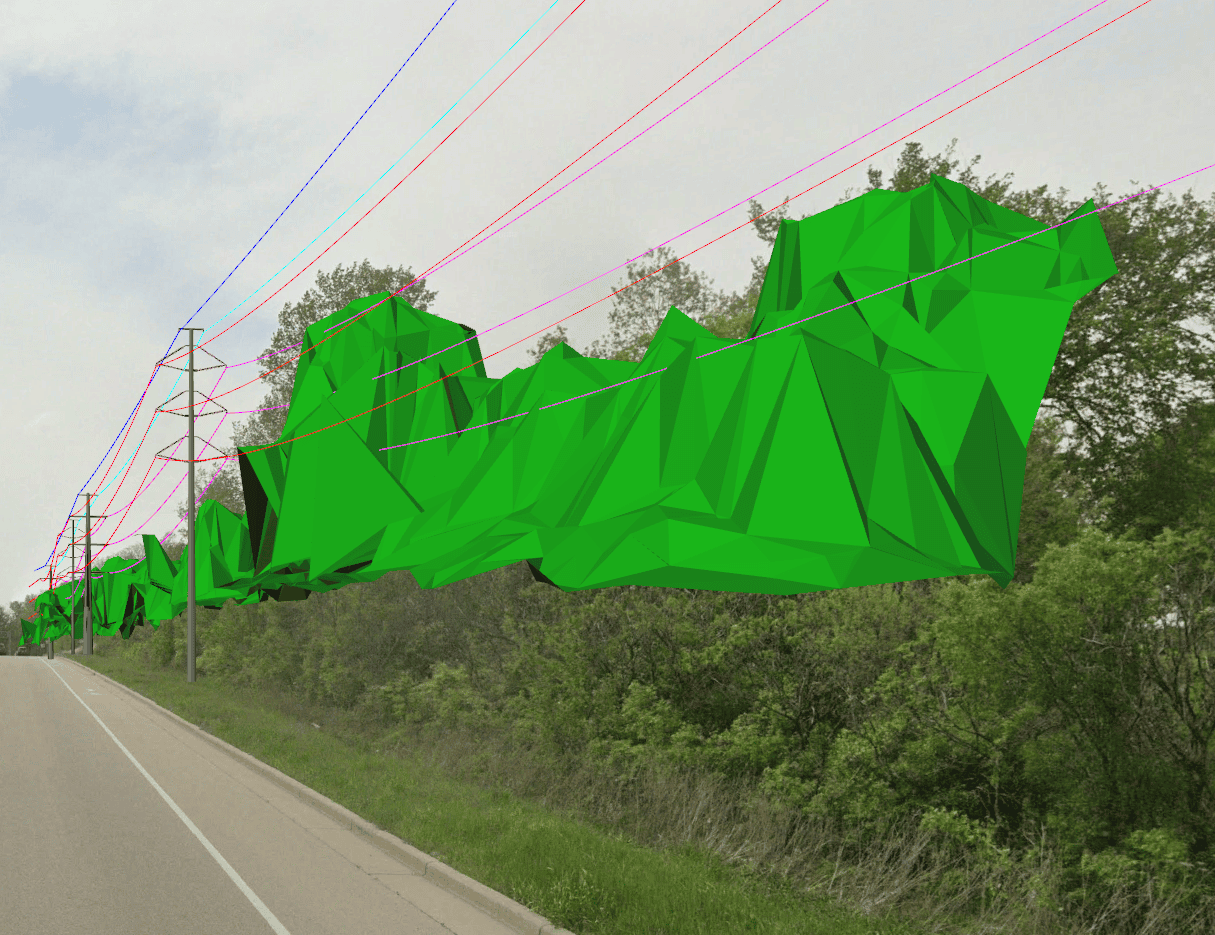
When it comes to building transmission lines, engineering is the easy part. Lynch says a power line can be designed in a day using PLS software. But the permitting? That can take 10 years. Luckily, Lynch says, digital tools can help there, too. New technology can quickly produce the multiple iterations of maps, routes, environmental impact studies, and cost comparisons that regulators need to see. And visualization tools can also help get communities on board, by letting people see exactly what a planned transmission tower will look like from their own homes.

This Software Can Predict Exactly where the power grid will fail
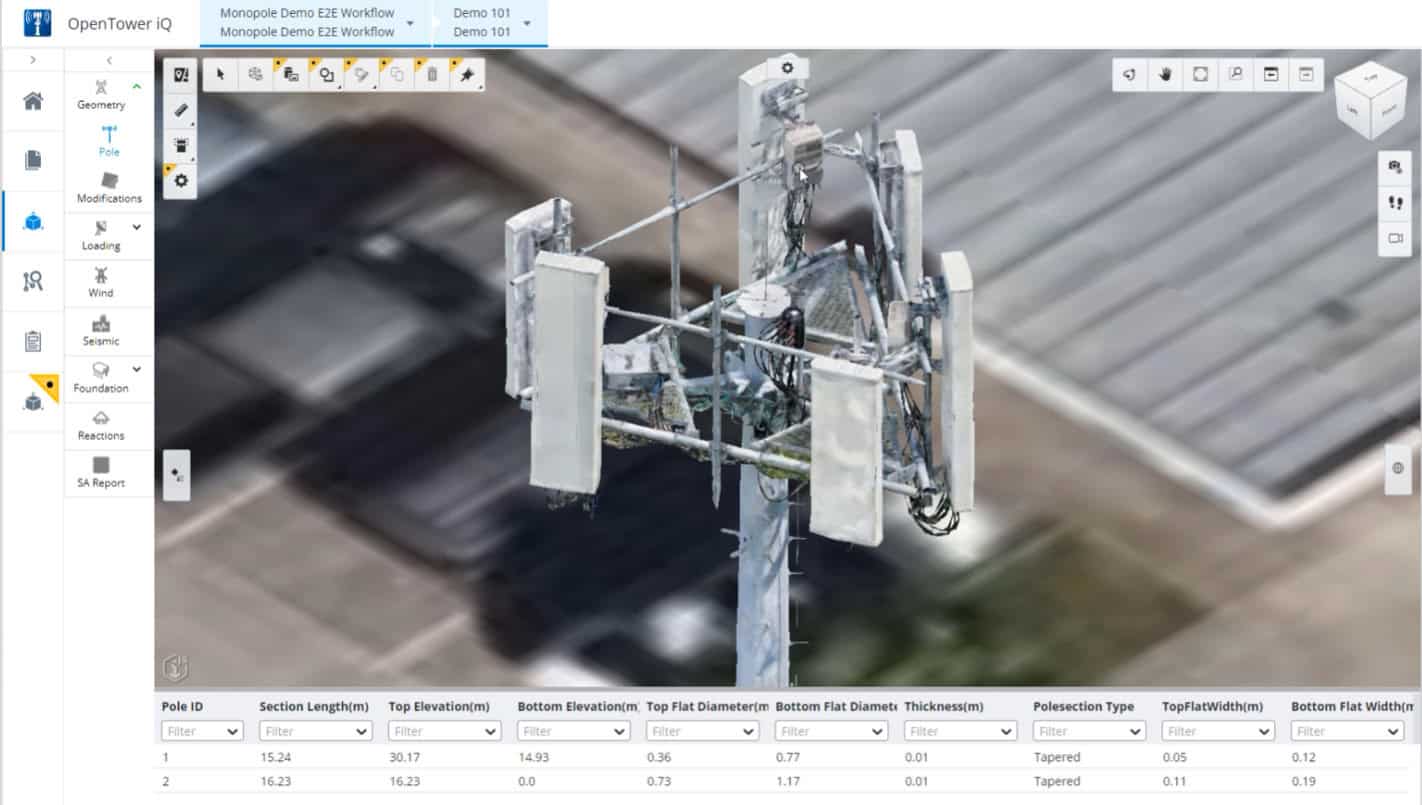
In January, ice storms downed hundreds of miles of power lines across Louisiana, Mississippi, and Tennessee, leaving hundreds of thousands of people without power. The pattern of recovery was familiar: ice accumulates, poles snap, crews replace them—often with the same equipment that just failed. But the technology to break this cycle exists. Software from PLS can model every pole and wire on the grid, simulate storm scenarios, and show exactly which structures will fail before the weather hits. To highlight those capabilities, Lynch used the software to run an analysis on 70 miles of transmission line in just minutes. Building these models has long been the bottleneck in the process—but now, AI and drone data are starting to crack that problem at scale.

FAQ:
The U.S. power grid requires an estimated 35 gigawatts of additional capacity by 2030 to keep up with surging demand from artificial intelligence data centers, electric vehicles, and extreme weather. Meeting this demand requires massive investments to upgrade existing grid infrastructure and build new transmission lines to transport power where it is needed.
Although designing a transmission line with software takes as little as a day, the regulatory permitting process can take up to 10 years. Digital tools help cut this wait time by quickly generating the multiple route iterations, cost comparisons, and environmental impact studies required by regulators, while 3D visualizations help build community approval by showing how towers will look from nearby homes.
PLS software builds detailed models of every pole and wire across a network to simulate extreme weather scenarios. By testing structures against severe storm conditions in advance, the software identifies precisely which poles and lines are vulnerable to failure, allowing utilities to proactively reinforce the grid rather than repeatedly repairing damaged lines after outages occur.