Are You Buying Effort or Value? Rethinking Transportation Resilience.
Ask 10 people in transportation what “resilience” means, and you’ll likely get ten different answers. And that’s exactly the point: resilience isn’t one thing. It includes people, data, systems, contracts, materials, and community preparedness. It’s everything that helps our transportation networks adapt and perform when the unexpected happens.
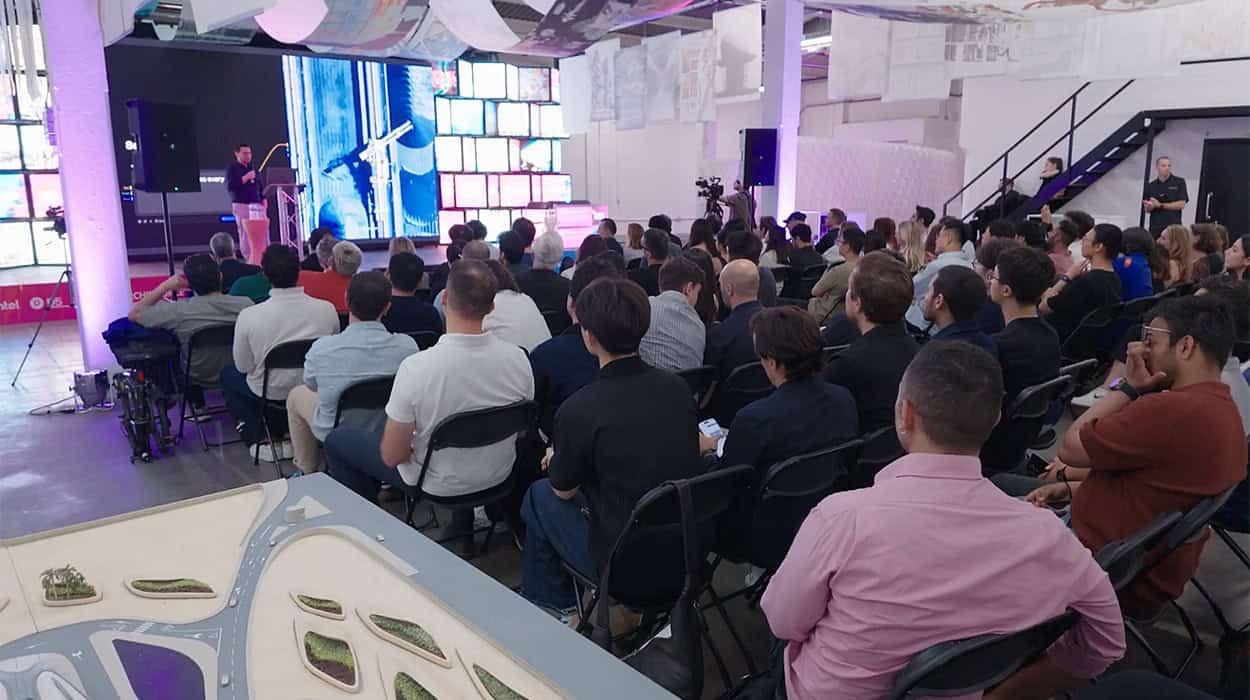
At the Year in Infrastructure (YII) 2025 conference’s transportation panel, industry leaders representing owners, engineers, and contractors explored this idea from every angle. Despite their different perspectives, one theme emerged: we need to stop measuring projects only by their cost and start valuing their long-term benefit to the public.
Project conflict is a resilience killer, leading to delays, cost overruns, and fractured teams. According to Andy Kaiyala, vice president at WSB, a model-centric approach is the most effective way to eliminate this drain on resources by “resolving conflict” before it becomes a problem.” before it becomes a problem.
Kaiyala shared an example from a large project in Austin, Texas, where two separate contracts for a roadway and a tunnel were brought into a single digital environment. The result was the discovery of a critical clash. “One of these drop shafts is right in the middle of one of the frontage roads,” he explained.
While the model didn’t solve the problem on its own, it surfaced the issue early enough for people to find a solution, avoiding what would have been a costly and time-consuming fix in the field. This shows a clear return on investment, where risk is mitigated before it ever impacts the budget.
But Kaiyala argued the most important return isn’t financial. It’s about people. When conflicts are resolved early and digitally, teams are more collaborative and less adversarial. The result, he noted, is that your team members “don’t take that home with them at night.” That improved well-being is the truest measure of a resilient and successful project.
Digital twins and the shift to data-rich deliverables
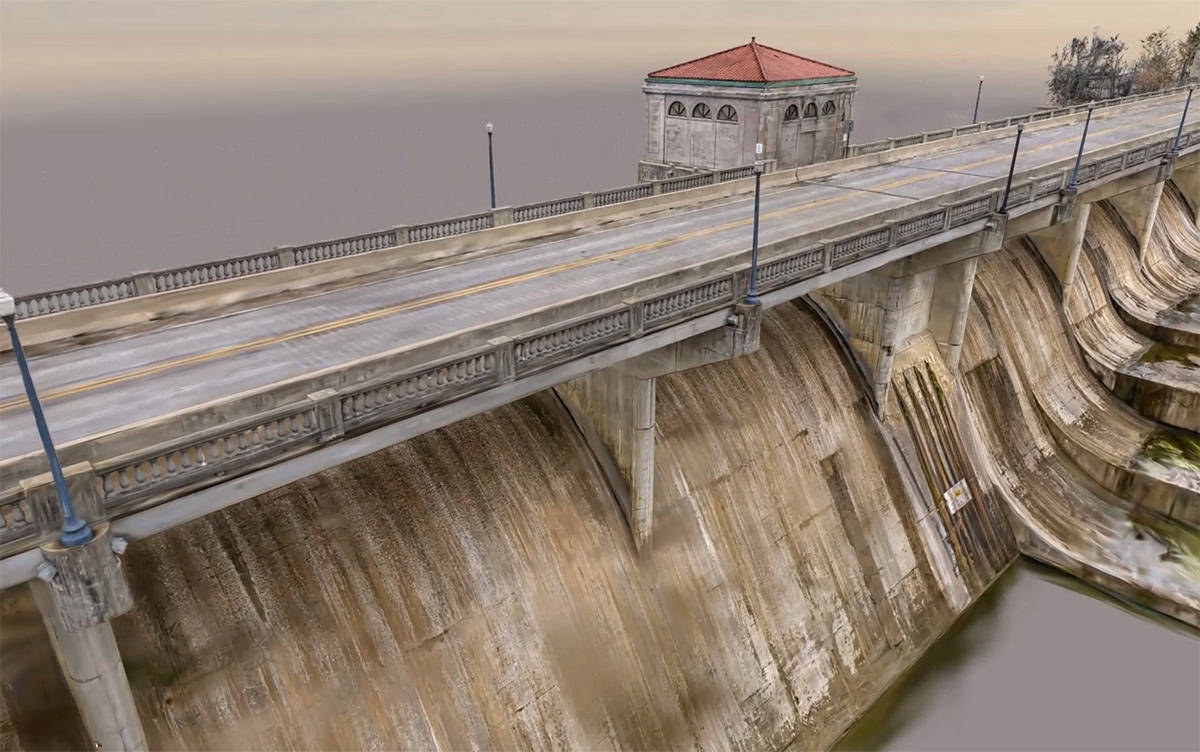
The expectation for project deliverables has permanently shifted. Owners no longer want just a physical asset; they need the data behind it. This is a major shift for an industry accustomed to handing over static files. As Rafael de Santiago of ACCIONA explained, the deliverable is now a complete package. “These days, we are not delivering only a bridge or a road […] that package comes with data because we need to enable digital twins in the future.” explained, the deliverable is now a complete package. “These days, we are not delivering only a bridge or a road… that package comes with data because we need to enable digital twins in the future.”
This shift is driven by a simple fact: for owners, a project is never truly “closed.” Michael Pearson, digital delivery program manager at Oklahoma DOT, said, this reality has forced them to make tough but necessary decisions. “Part of that resilience is sometimes that means start over,” Pearson said, explaining Oklahoma DOT’s choice to rebuild systems from the ground up. “We don’t want band-aids. We want to do it right the first time.” This long-term view transforms data from a project deliverable into a permanent, essential asset for the entire operational lifecycle.
Why traditional contracts undermine resilience goals
The push for open, accessible data is not just a trend; in many places, it is becoming law. Holger Kessler of AtkinsRéalis pointed to the Netherlands as a model where public works are legally required to consult key data registers and contribute their own data back to the system.
But this need for accessible information isn’t just a top-down mandate. Kessler, who volunteers at a local flood forum, noted the impact at the community level. “When a storm happens, it just makes the town more resilient if more people know where things are, how things work, and who owns and operates them,” he said.
This new reality, where value is measured in shared data, directly challenges how the industry has traditionally done business. Kaiyala put it bluntly, urging owners to ask themselves a critical question: “Am I interested in purchasing effort or value?”For firms whose business model is built on billable hours, Kaiyala warned that this model is “under threat right now.” Shifting contracts to reward outcomes like clash-free designs and data-rich deliverables align business practices with the modern need for shared, accessible information. It moves the conversation from hours logged to value created for the entire community.
The future of resilient transportation infrastructure
After hearing these perspectives, a clearer definition of resilience emerges. It is the ability to de-risk projects through a common understanding, create new value by delivering intelligent data, and build future-proof business models. Ultimately, it’s about creating an organization of people, processes, and technology that can adapt and thrive.
Watch the complete YII transportation panel discussion to explore these topics in greater detail.
Discover how Bentley empowers transportation resilience with model-based delivery and digital twins. Explore our transportation solutions. Explore our transportation solutions ❯