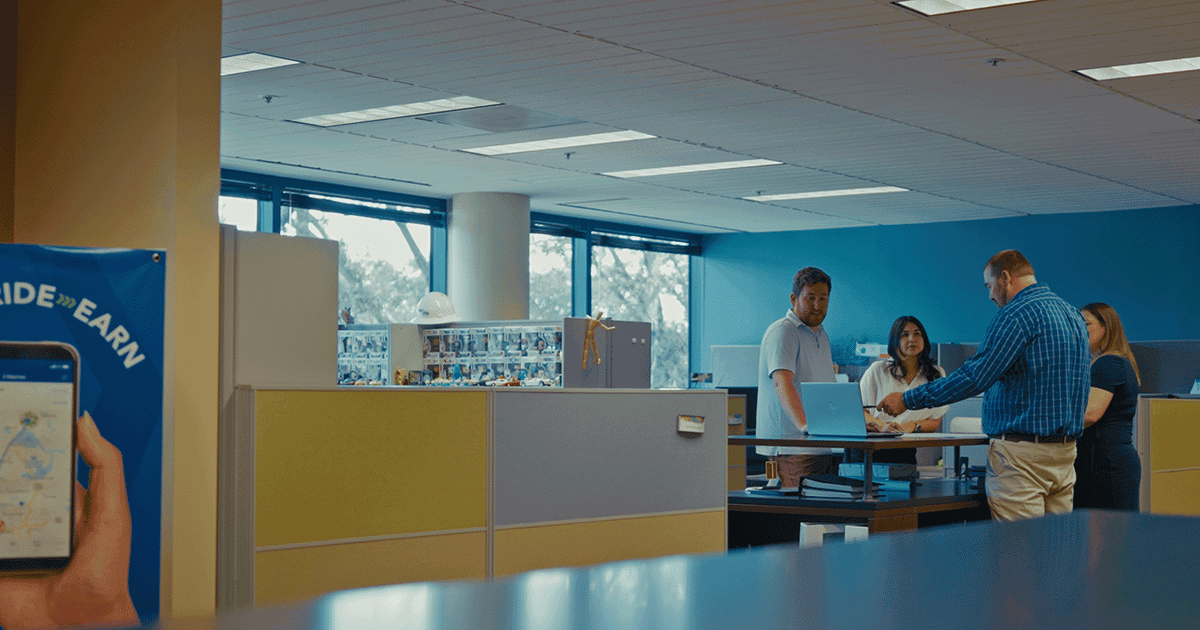
When you picture a site engineer at work, you might envision someone hunched over site plans, crunching numbers, or navigating a tangle of regulations and red tape. For VHB’s Brianne Belschner, model-based design lead, and Adam Smith, assistant director of land development, site design is much more than just these technical skills at hand. It’s about solving problems, building interconnected communities, and finding new ways to improve infrastructure.
How OpenSite+ Transforms Civil Site Design Workflows
Smith lives and breathes the pressure of the modern civil engineering industry all too well with clients wanting fast answers. “A lot of the problems they face are very complex and we need time to dive into those, but they want an answer kind of yesterday,” Smith shared.
For Belschner, not only is the challenge speed, but also bridging the gap between generations of site engineers. “We have experienced engineers, the knowledge base of some of our older users that are moving towards retirement needs to be retained, and we are trying to impart that into our younger designers,” she explained.
Both describe a world where regulation shifts are happening left and right, collaboration is critical, and project stakes are high, not only for their teams, but for the communities they serve.
The innovative edge: OpenSite+
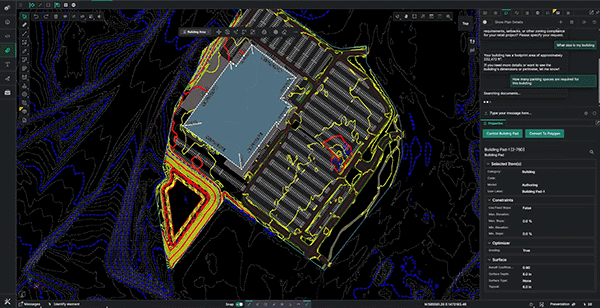
Enter OpenSite+. This software is redefining how site engineers approach design work. By integrating AI-powered features and streamlining workflows across the various stages, the platform enables teams to manage grading, earthwork optimization, and drainage in one single environment.
This consolidated approach means that less time is spent performing tedious tasks and searching for information, and more time is focused on site design and decision-making.
OpenSite+ really serves as an all-in-one tool. It allows us to collaborate and keep all of the information together from stormwater to grading and the different components of the design. When we have bigger conversations with clients or stakeholders in the process, they can understand how all the pieces interact. That leads to better solutions, quicker answers, and faster project delivery, which is exactly what our clients want.
Brianne Belschner, Model-Based Design Lead, VHB
With OpenSite+, site engineers can rapidly iterate thousands of site layouts, balance cost estimates, and optimize the site for sustainability. Features like earthwork optimization and integrated drainage design allow quick analysis and adjustment, helping their team to deliver projects that meet client needs and regulatory requirements.
Boosting Stakeholder Collaboration with AI-Powered 3D Models
The shift to OpenSite+ isn’t just technical, it’s human.
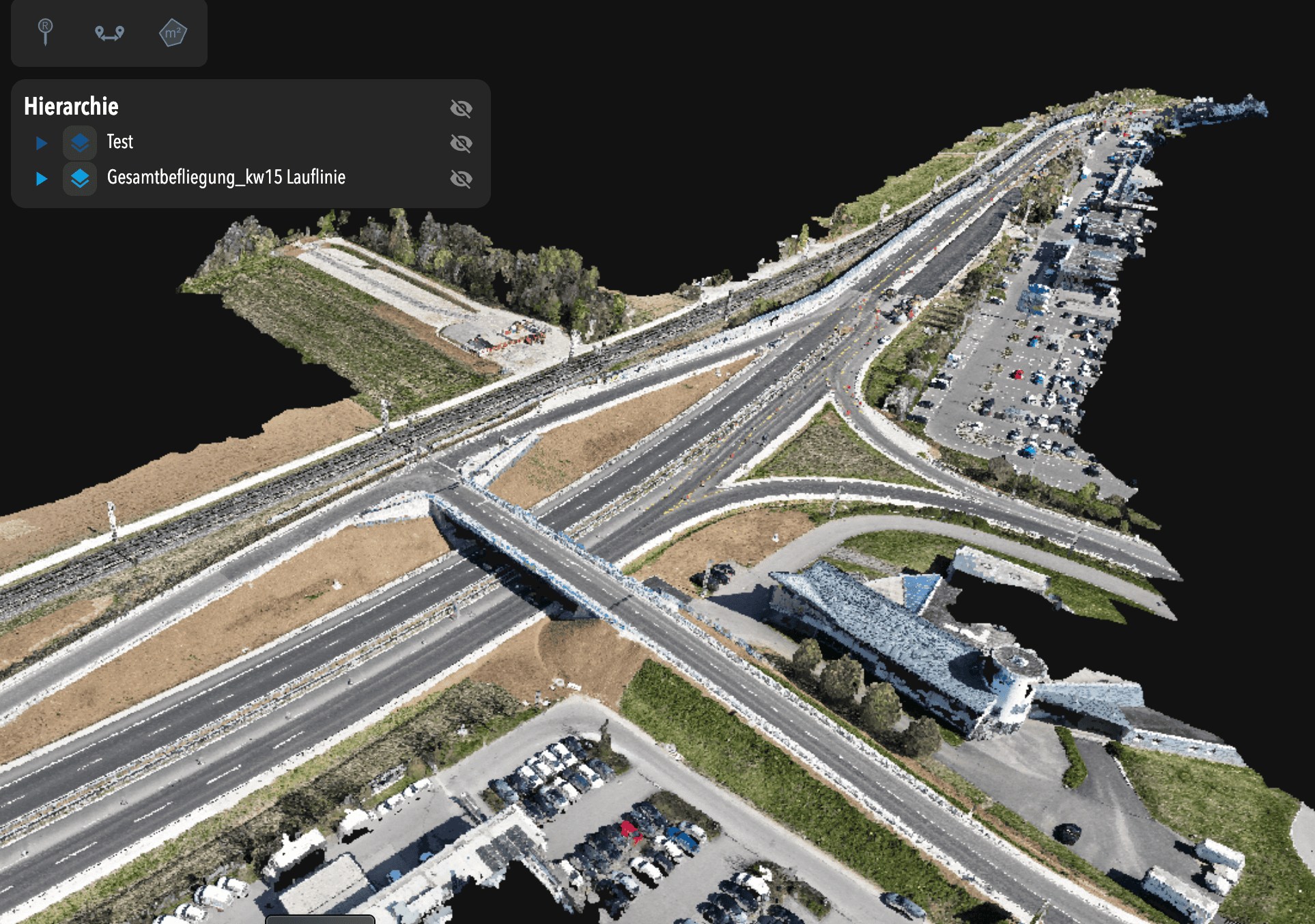
With project data being in one central location, collaboration across teams becomes seamless. Stakeholders have the ability to interact with 3D models, provide quick feedback, and move projects forward in an efficient manner.
Smith notes that the ability to quickly produce models strengthens client relationships by making plans visible rather than relying on trust. Project teams can display the design on screen and walk through the 3D model, all while showing them what the team is aiming to accomplish.
Sustainable Site Design for Community Impact
The benefits of OpenSite+ are beyond just project teams.
Faster delivery and cost savings are only the beginning. Optimized site designs mean less earth moved and lower environmental impact on the project sites. As a result, there’s more sustainable outcomes for the communities served.
Smith explained that, instead of moving a million yards of dirt, teams can move just half a million and still develop a great project. This represents a big step forward, as being able to see improvements faster and getting to a more optimized site really helps save clients’ money.
When site design works as intended, it quietly enhances everyday life, making spaces safer, more connected, and resilient. This highlights the often-invisible impact of intentional site design.
If I did my job right, you wouldn't notice anything I did. That means paying attention to how the sidewalk is placed, how the roadway interacts with the site, where manholes go, and how the drainage works. If a site floods, people notice that my job wasn't done right. But if the water goes where it should and people can get where they need to go, then they don't notice anything about site design. The world keeps changing and adapting, and with each piece of the puzzle, we want to make sure that people, as silly as it sounds, don't notice what we did because it just works.
Brianne Belschner, Model-Based Design Lead, VHB
Future of Civil Site Design: AI, Speed & Sustainability
Adopting new technological innovations can be intimidating, especially in a fast-paced infrastructure industry.
Change just doesn’t happen overnight. It begins with exploration such as testing new tools and seeing the possibilities that they can unlock. As teams test and discover benefits, confidence can grow and innovation moves from concept to implementation.
The future of civil site design is being defined by speed, efficiency, and optimization. The AI-driven capabilities in OpenSite+ enables site engineers to work smarter, streamline their processes, and most importantly, deliver exceptional client results.
Firms that embrace innovation early, like VHB, position themselves to stay competitive and thrive within an evolving industry. Leading with new technology such as OpenSite+ not only improves project outcomes, but also helps firms attract the next generation of talented site design engineers. This focus on innovative technology fosters stronger collaboration and builds a team that’s equipped for the future.
At its core, site design is about people. The engineers who shape it, the clients who trust it, and the communities who live it. OpenSite+ is aiming to help those professionals take the first steps toward building a better future empowered by AI, one project at a time.
Discover how OpenSite+ empowers civil engineers with AI-driven tools for grading, drainage, and land development. Learn more about OpenSite+ on Bentley.com.