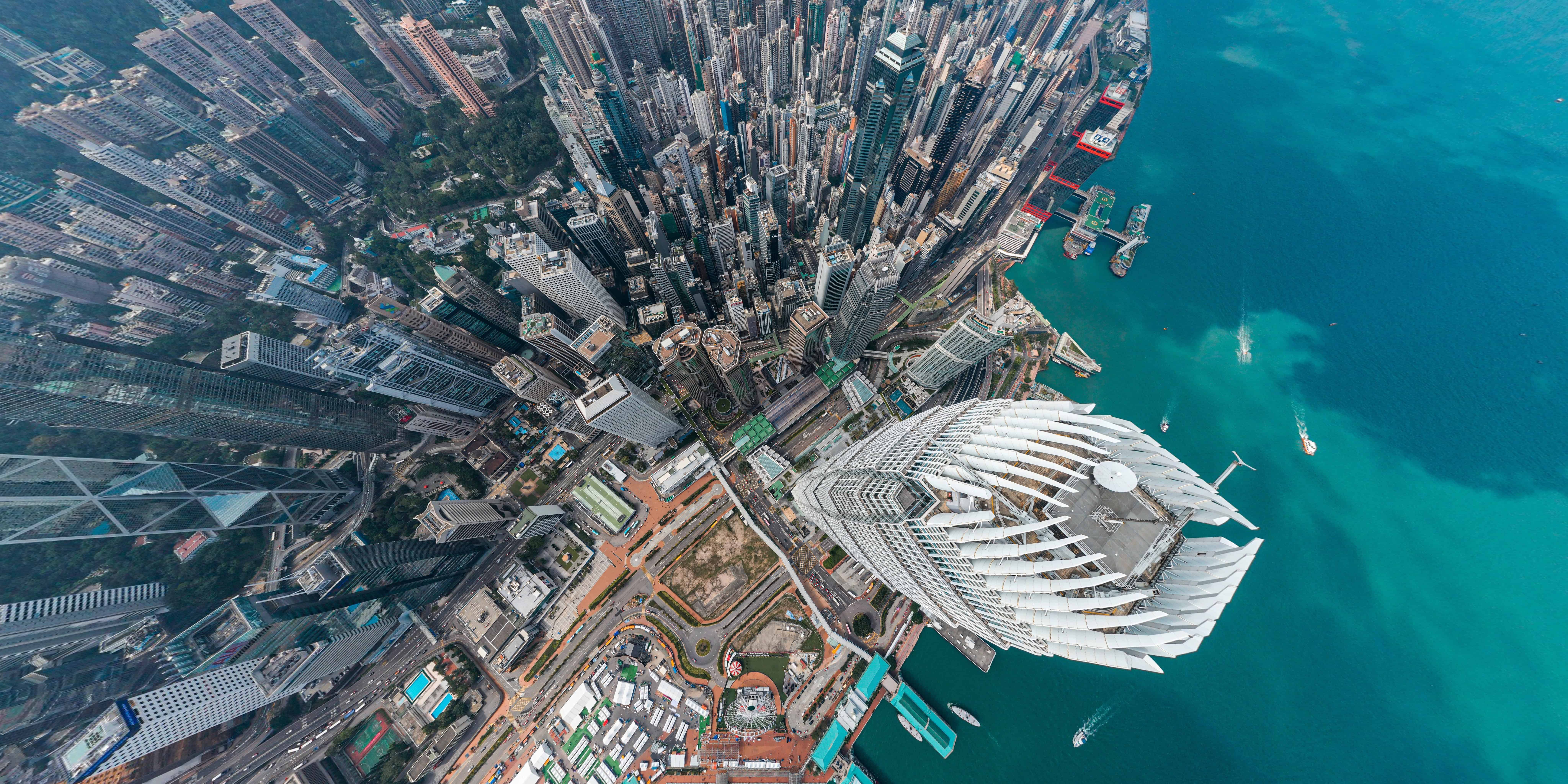
The latest U.S. Census Value of Construction Put in Place Survey reveals new insights into the powerful trend of where infrastructure investment is surging, including design and construction. As of July 2025 alone, the top three project classification types include:
- Manufacturing: USD 223 billion—a 175% increase from USD 81 billion
- Power: USD 156 billion—a 27% increase from USD 122 billion
- Highway and street: USD 144 billion—a 39% increase from USD 103 billion

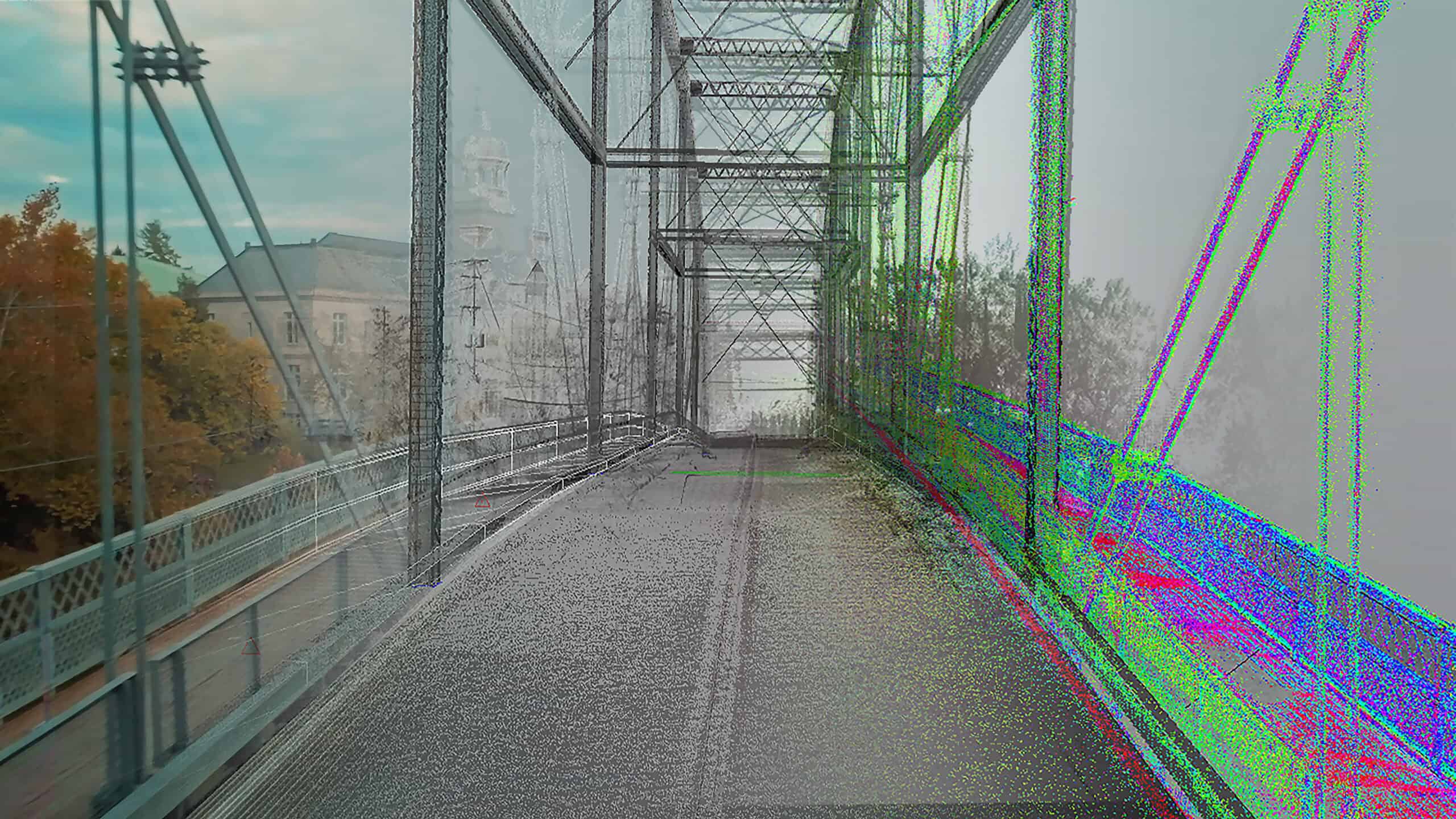
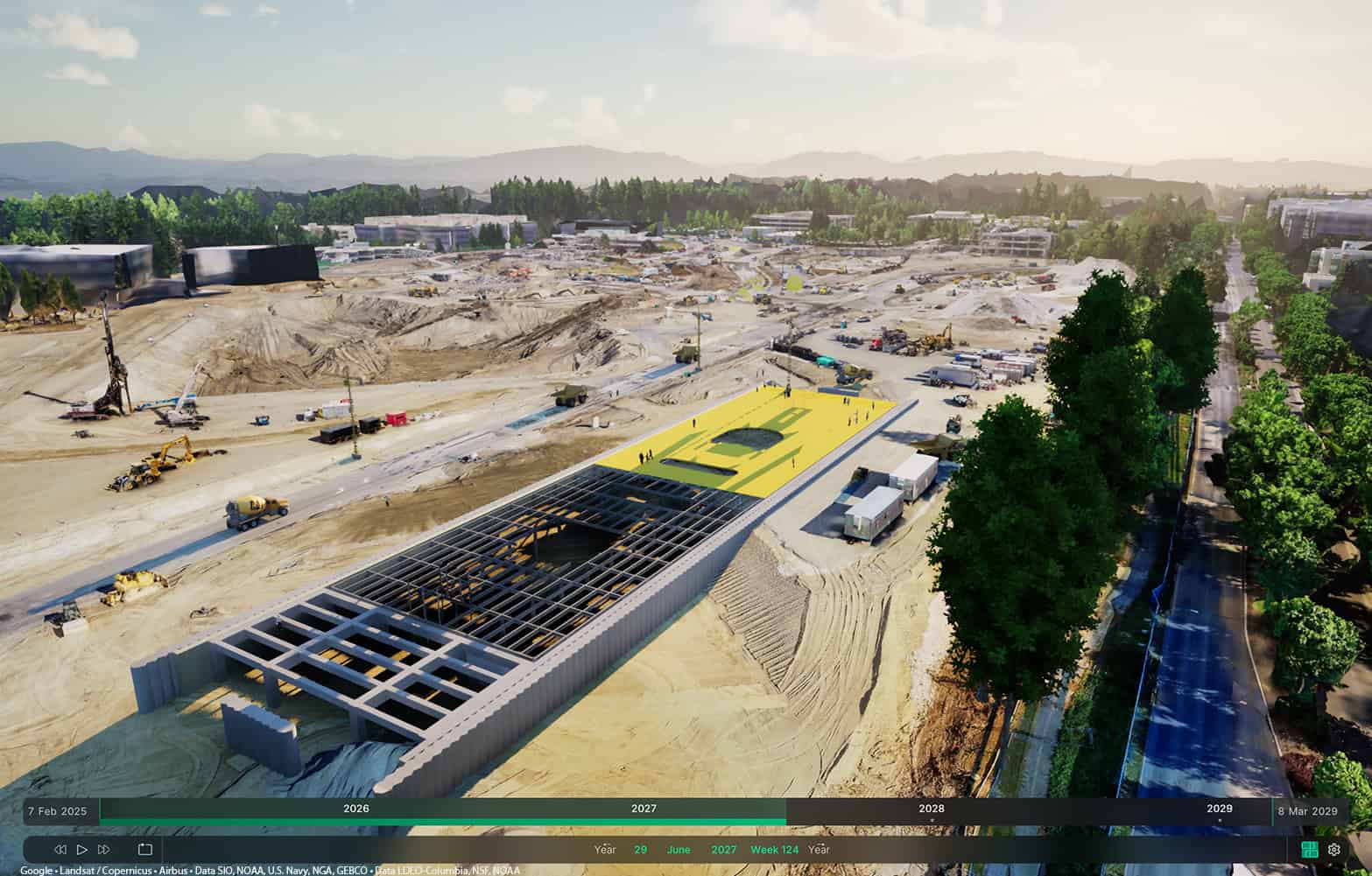
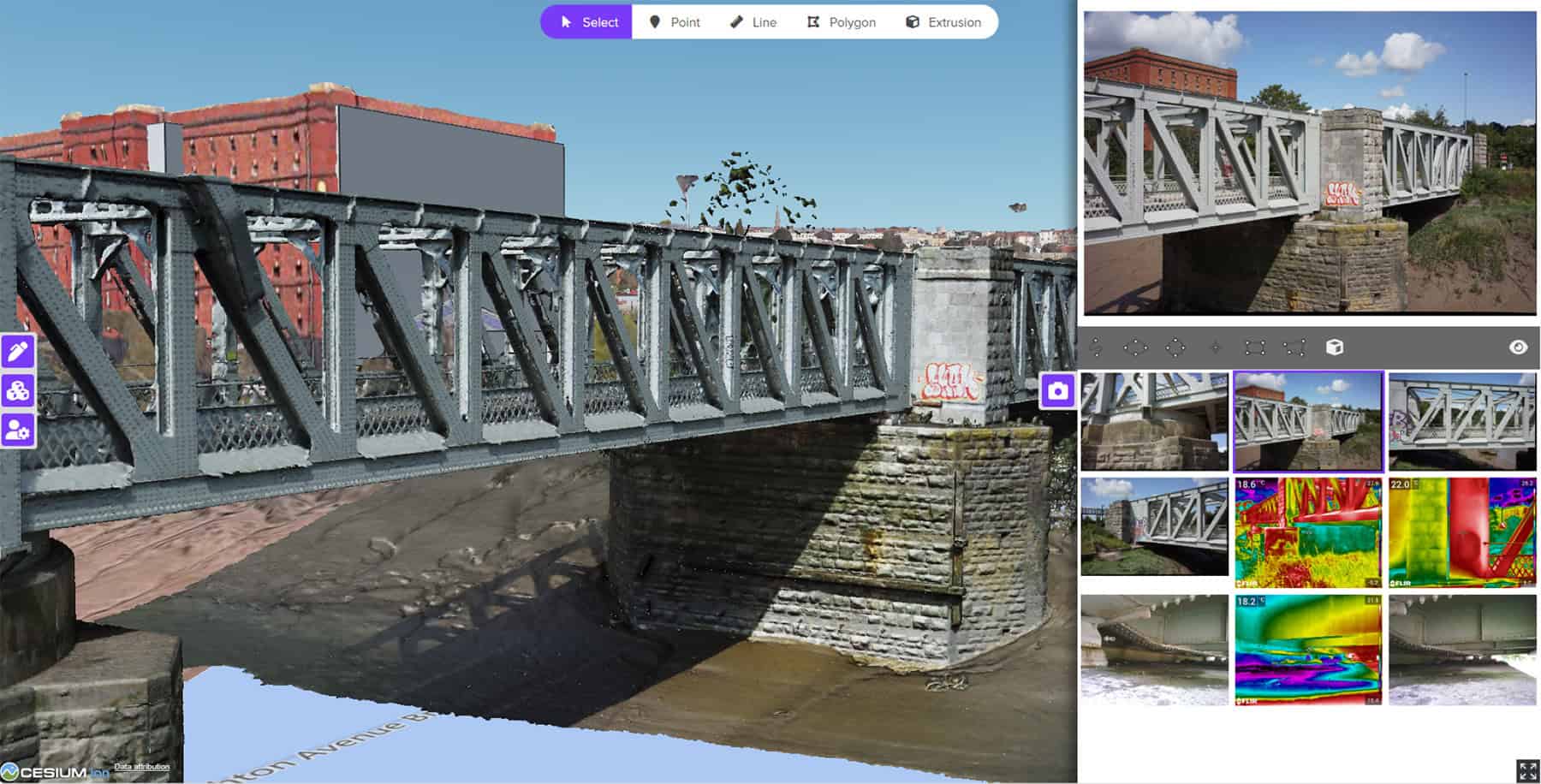
This dramatic growth underscores the urgent need for smarter, more collaborative project delivery. Engineering leaders are rising to meet this challenge. Around the world, firms are transforming how they design, build, and operate infrastructure by embracing digital twins and connected data environments. At Bentley’s Year in Infrastructure conference, standout projects earned the Founder’s Honors for pioneering this shift. Here’s how they’re leading the way.
Accelerate renewable energy with smart offshore wind design
Faced with harsh sea conditions and a compressed timeline, the team behind China’s Yangjiang offshore wind farm—one million kilowatts of installed capacity—knew that traditional methods wouldn’t cut it. They turned to Bentley’s ProjectWise, SACS, and iTwin Experience to build a connected digital ecosystem.
The results that they gained include:
- 15% faster design cycle
- 20% shorter construction period
- CNY 20 million saved in costs
- 15% reduction in annual operations and maintenance costs
This project proves that digital twins are also catalysts for sustainable innovation.
Deliver smarter roads with collaborative digital engineering tools
Project: Coffs Harbour bypass by Arcadis
Arcadis led the digital engineering of one of Australia’s most complex highway upgrades, which included 12 kilometers of dual carriageway, tunnels, bridges, and interchanges. Coordinating 15 design partners across steep terrain and sensitive environments demanded a new approach.
Using Bentley’s ProjectWise, iTwin Capture, iTwin Experience, SYNCHRO, OpenBridge Designer, OpenRoads Designer, and OpenTunnel Designer, Arcadis created a connected digital twin that streamlined design and construction.
Their results include:
- 366,000 work hours saved
- AUD 5 million in rework costs avoided
- 580 tons of reduced carbon emissions
This project sets a national benchmark for resilient, low-carbon infrastructure delivery.
Transform campus sustabability with operational carbon insights
Kaunas University of Technology (KTU) is building a smart campus ecosystem to monitor and reduce energy consumption. By integrating Bentley’s iTwin Capture, OpenBuildings Designer, and iTwin Experience, they created a digital twin of their facilities—enabling real-time analysis of operational carbon.
The results that they gained include:
- 11% reduction in carbon emissions
- Actionable insights for solar and electric vehicle infrastructure
This initiative uses real-time carbon insights to enable data-driven sustainability planning and support infrastructure decarbonization goals.
Why digital twins are now essential for engineering firms
These projects show what’s possible when engineering leaders embrace digital transformation. Digital twins are no longer optional—they’re how modern infrastructure gets delivered. Engineering leaders are adopting them to:
- Cut design cycles and construction timelines by up to 20%
- Coordinate dispersed teams and projects in a connected data environment
- Track and reduce carbon emissions with real-time operational data
As infrastructure demands grow, the opportunity to lead with innovation has never been greater. Learn more about how engineering firms are partnering with Bentley.