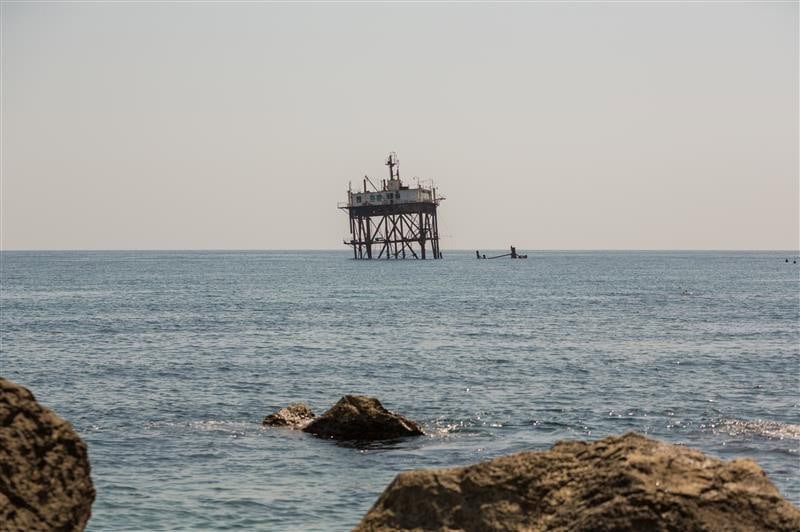
Offshore decommissioning is becoming a major engineering and delivery challenge as more offshore platforms, subsea wells, and pipelines reach the end of their service life. The offshore decommissioning market is projected to grow from USD 7.2 billion in 2026 to USD10.27 billion by 2030, a strong indicator of the sheer volume of workload. These offshore decommissioning projects require an integrated analysis and design solution that covers the complete lifecycle of an offshore structure, from construction to its final removal.
This is no simple reverse-construction job; offshore decommissioning is a high-stakes engineering discipline demanding a new standard of accuracy. Relying on outdated, fragmented workflows in such a high-stakes environment is a direct path to budget overruns, safety incidents, and regulatory penalties. The future of offshore decommissioning requires a digital-first approach. Here’s how a unified digital blueprint transforms this complex challenge from a liability into a well-executed, predictable project.
Challenge 1: Assessing aging offshore structures
An offshore platform will be thrashed by waves, currents, and corrosion for decades. Its original design specifications no longer reflect its current state. Before planning the first cut, you must answer a critical question: how strong is it right now? When a single miscalculation could lead to catastrophic failure, guesswork isn’t an option.- The digital solution: A modern digital approach begins with an “as-is” digital model of the structure. Using powerful offshore structural analysis software like SACS, engineers can accurately simulate the cumulative fatigue damage, corrosion, and storm impact the asset has endured. This provides a reliable, data-driven foundation for all subsequent planning, removing the dangerous unknowns from the equation.
Challenge 2: Planning offshore decommissioning cuts
Offshore decommissioning often requires dismantling 10,000-ton topsides and jackets in a precise sequence. If cuts are made in the wrong order, load paths can shift and create structural instability during removal and putting the crew’s safety at risk.- The digital solution: Instead of relying on static estimations, engineers can now automate the process using SACS and MOSES. This digital solution determines an optimal cutting plan to reduce heavy offshore structures into manageable pieces. Engineers can apply automatic cutting at user-defined elevations and review the sum of forces for each section, ensuring the structural weight is correct for the planned lift and transport. This virtual run-through, grounded in proven offshore structural design principles, verifies the plan is safe and efficient before the cutting tools come out.
Challenge 3: De-risking the lift and transport
Lifting and transporting giant platform components is one of the most hazardous phases of decommissioning. The success of this marine construction operation depends on vessel stability, crane capacity, and unpredictable weather windows. A successful lift requires a complete understanding of how the structure, vessel, and environment will interact.- The digital solution: An integrated software approach provides the necessary complete picture. By combining SACS for structural analysis with MOSES for hydrodynamic and hydrostatic analysis, engineers can simulate the entire lift-and-transport operation. They can model the vessel’s motion, analyze crane loads, and simulate the effects of waves and wind. This unified vessel lift simulation verifies that the plan is robust enough to handle the real-world conditions of the open ocean.
Challenge 4: Engineering a sustainable end-of-Life
End-of-life planning for offshore assets must also account for environmental and regulatory requirements, whether the final destination is onshore recycling or a rigs-to-reefs program. For rigs-to-reefs projects, engineers need to verify that the final structure placement will be stable and lasting marine habitat.- The digital solution: The engineering doesn’t stop at the shoreline. For rigs-to-reefs initiatives, SACS can be used to analyze the structure’s final placement and long-term stability on the seabed. This ensures the new artificial reef is environmentally
sound and structurally secure, fulfilling the project’s ecological goals and regulatory requirements.
The new standard for offshore decommissioning
As the offshore industry navigates the complexities of a multi-billion-dollar decommissioning market, the conclusion is clear: the fragmented workflows of the past are no match for the challenges of today. A proactive, integrated digital strategy is the only way to ensure these projects are executed safely, on budget, and in full compliance with global regulations. By leveraging a comprehensive digital blueprint with SACS for offshore structural analysis and MOSES for marine operations simulation, engineering firms can de-risk every stage of the process and position themselves to lead in this growing sector.Ready to improve your offshore decommissioning planning? A connected digital workflow is key. Explore how SACS and MOSES can enhance your projects with advanced offshore structural analysis, heavy lift simulation, and integrated marine operations planning.
See how these tools can help you manage the entire lifecycle of your offshore assets. This on-demand webinar shows you how to navigate the complexities of aging structures and execute decommissioning projects efficiently while controlling costs and ensuring regulatory compliance.