Brett Taig has found a way to stabilize the fault lines where infrastructure megaprojects so often start to unravel. His weapon of choice? Data moving like clockwork between teams.
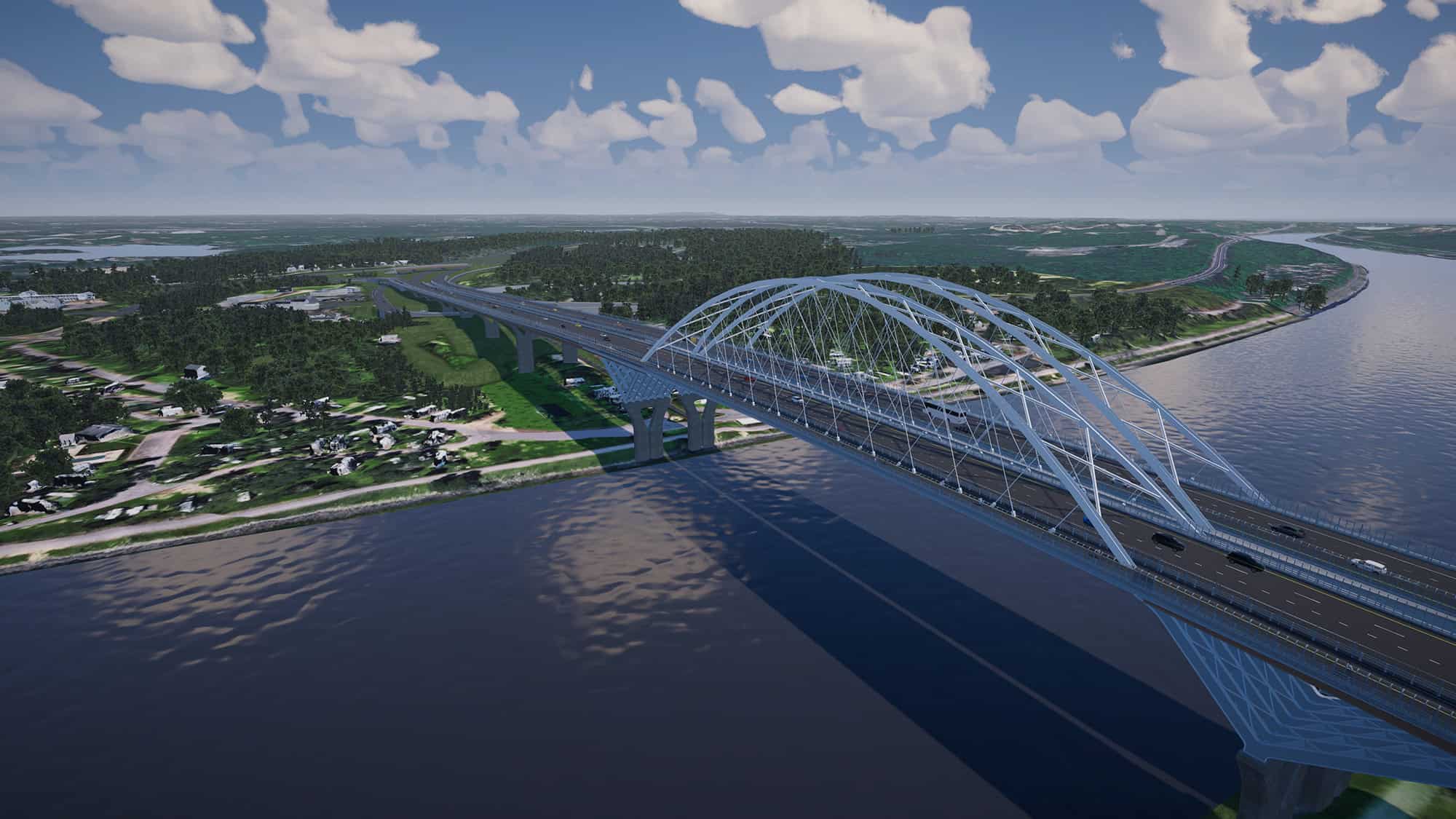
Taig is the digital engineering manager on the North East Link Program in Victoria, Australia, a freeway upgrade and new tunnel project threading through suburban Melbourne—with a budget of more than AU$20 billion (about US$14 billion). His job is to make sure that digital infrastructure models, documents, and project data move cleanly across dozens of organizations: owners, designers, contractors, and operators. On a project this complex, each contractor is typically using their own tools and working from their own files, often with little visibility into what the others are doing.
To keep things connected and moving, Taig and his team implemented a system that moves about a thousand digital files between the project’s teams every night into a common data environment. Files that the project’s teams are contractually bound to provide. That sync, powered by Bentley Systems’ ProjectWise software, happens automatically, eliminating email chains and “an army of document controllers in the middle,” Taig says.
The solution has helped maintain a single source of truth across the megaproject’s design and construction, saving significant time and money. It also breaks a bad industry habit: contractors dumping a massive file of disconnected data on the owner at the end of a project, when it’s too late to act on it. “Bentley was blown away that we’re using their software this way,” Taig says, “because it wasn’t designed for exchanging files contractually.” The software was built for internal collaboration, not for enforcing formal document transfers between organizations. Taig’s team repurposed it to do exactly that.
Solutions from sydney
Celebrating that kind of creative problem-solving is exactly what Bentley, the infrastructure engineering software company, had in mind when it launched Illuminate, its annual conference series for the infrastructure industry. On March 19, Sydney kicks off the first of three Illuminate events in 2026, with Mumbai and Berlin to follow later in the spring. The timing is good: Australia and New Zealand are in the middle of an infrastructure surge, but a skills shortage and the Brisbane 2032 Olympics are adding urgency to an already stretched industry.
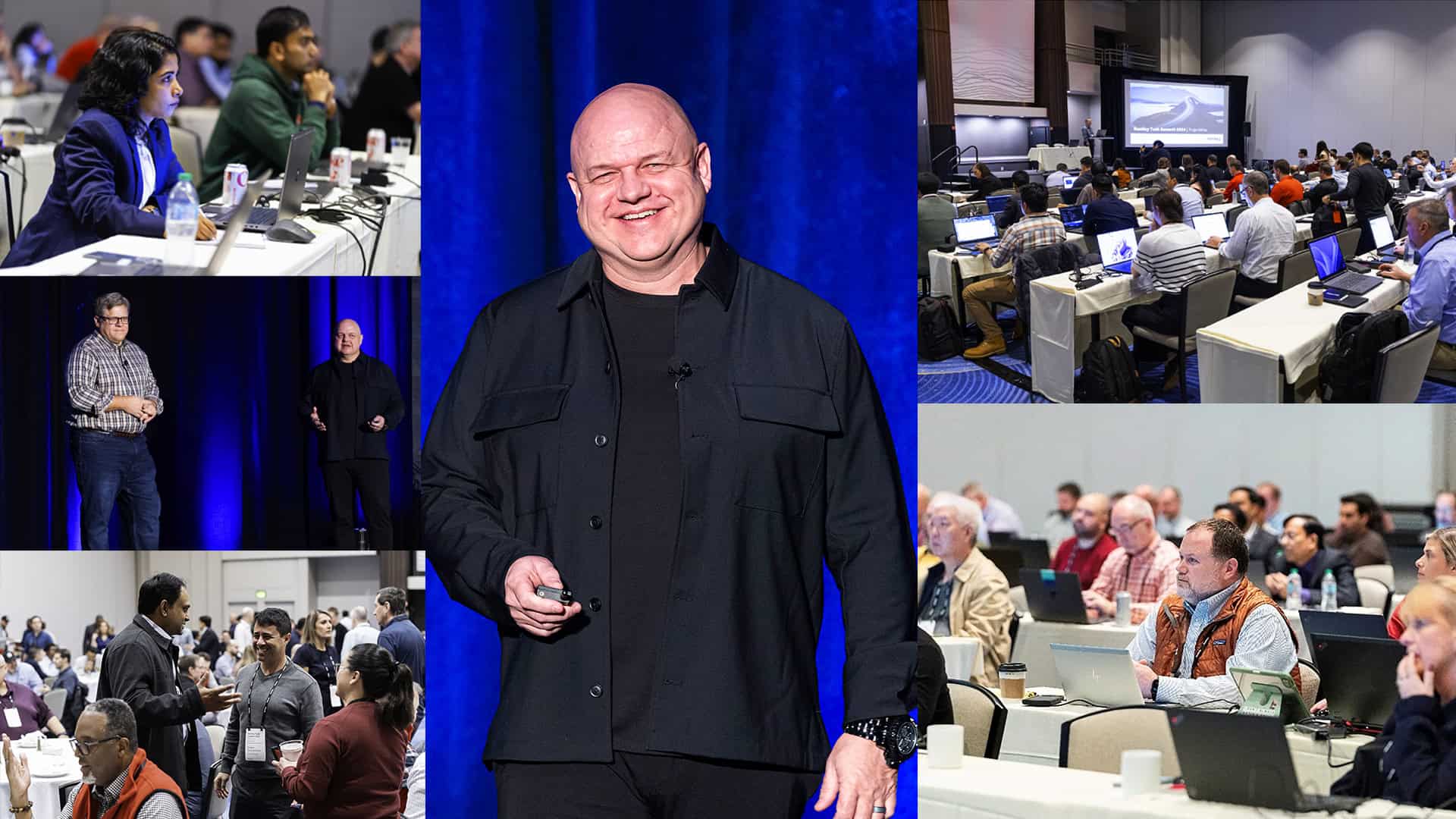
Illuminate brings together engineers, government officials, contractors, and technology leaders who plan, build, and manage major infrastructure projects. These are the teams building roads, power grids, water systems, and everything in between. The events are built around real project case studies and live demonstrations rather than product pitches. “The brief to our speakers was very clear: Please don’t come in and just speak to Bentley,” says Vivek Kumar, Bentley’s senior regional director for Australia and New Zealand. “Show where you use other technologies, show how we integrate.”
The theme running through Sydney is what Kumar calls a “golden thread”: a continuous flow of reliable data linking the design, construction, and operations phases of a project. When that thread breaks and teams are working from different versions of the same information, which is a chronic problem in large construction, mistakes multiply and the costs balloon, ultimately landing on the taxpayer. “For years, design, construction, and operations have all been separate conversations,” says Kumar. “What we’re trying to showcase now is the integrated project lifecycle — how that golden thread can run through all three and deliver real, measurable benefits.”
Bentley’s highlighting of real-world innovation is what makes lluminate different, says Taig: “There’s a lot of smoke and mirrors in our industry. The good thing about Illuminate is that it’s real. It’s not about selling some shiny future capability — this event is about live data.”
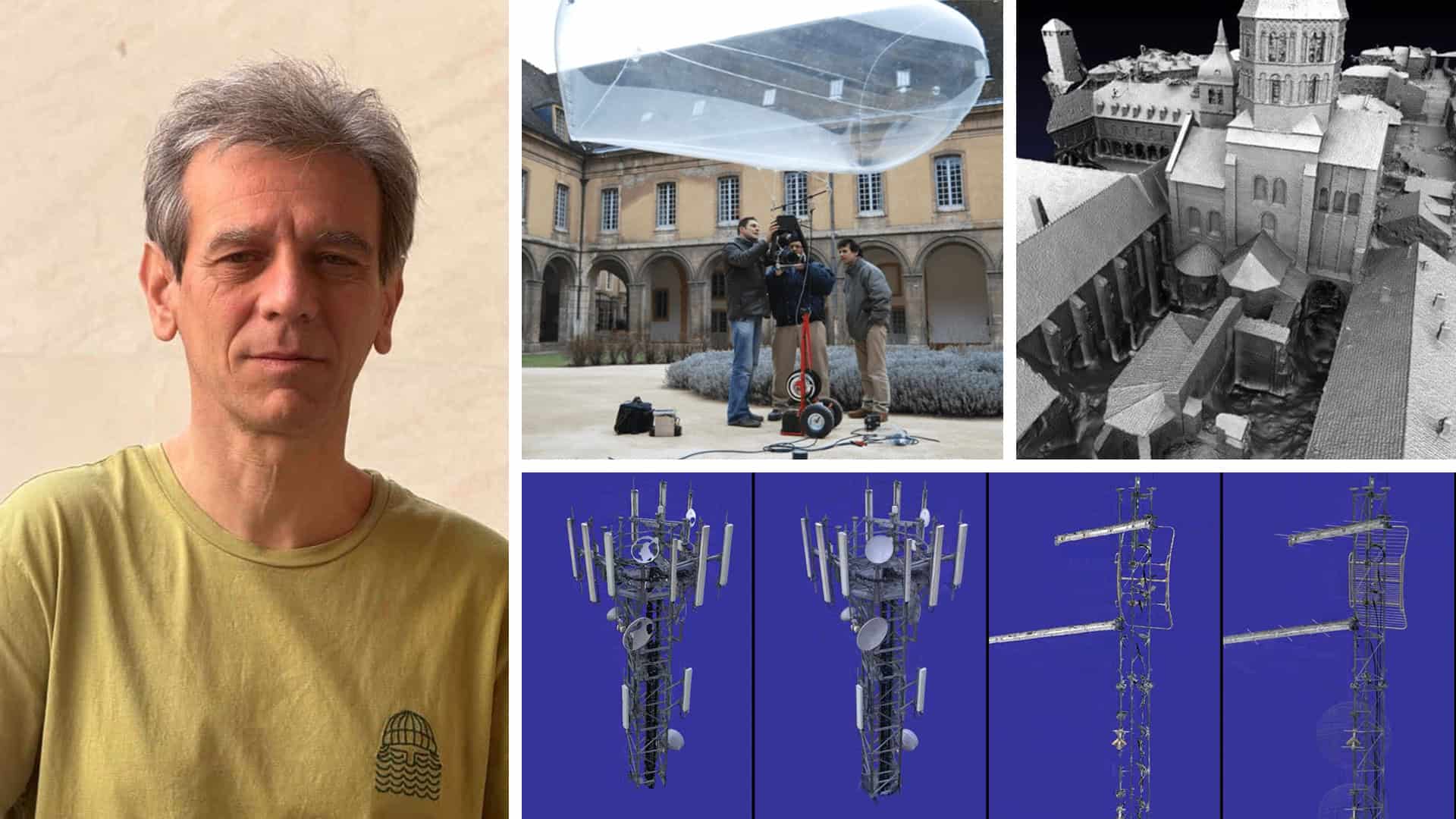
That emphasis on live, connected data extends into the energy sector. Event speaker Jonny Breen is the digital engineering manager at Transpower, the owner and operator of New Zealand’s national electricity grid, where demand for electricity and new connections is high. Transpower has spent years building a detailed digital picture of its network from aerial LiDAR, survey-grade scans, structured models, historic drawings, and huge image archives. Combined, the data is giving engineers a clearer view of what challenges they face. “We’ve reached a critical mass in our data maturity that other organizations at Illuminate might learn something from,” Breen says.
Breen sees the potential for even greater data unification across Transpower’s asset base, with Bentley’s greater integration of Power Line Systems (PLS) software into its wider ecosystem an interesting step in that direction. Transpower has maintained PLS master files for its transmission lines for two decades, so Breen can now see the potential to bring line data, substation data, and secondary systems closer together within a single environment. “If there is value in bringing those together, Transpower is in a very good position to realize it,” he says.
A foundation of data
That data foundation also sets the stage for the event’s other central theme: artificial intelligence. “Once you have that connected data environment in place, AI becomes the natural next step,” Kumar says. “It can automate tedious work, surface risks earlier, and help people focus on higher-value decisions.” A dedicated workshop will give Illuminate attendees hands-on time with the latest AI tools – and serve as a practical counterpoint to the hype that has swept the industry.
Hands-on is a defining feature of Illuminate Sydney. After the formal presentations, the conference floor opens into an expanded Experience Centre, where Bentley specialists, partners, and users run live demonstrations across transport, water, and energy. Last year, the Experience Centre proved so popular that delegates barely left it. This year, Bentley has given it a bigger, two-hour slot in the program. “It’s great, to go in and see how they want us to use the tools, but maybe give them a few tips, too,” says Taig. “It’s an interaction.”
A separate invitation-only Executive Forum will bring together more than 30 senior leaders from engineering firms, contractors, utilities, and government. They will discuss the value of data, the future of AI in the industry, and Bentley’s own technology roadmap.
The same spirit, adapted for different markets, will carry through to Mumbai and Berlin. In India, the conversation will center on the government’s Viksit Bharat 2047 ambition: a push to build a US$30 trillion economy by the country’s centenary. Success will require a dramatic expansion of transportation, water, and energy infrastructure. In Berlin, three days of sessions will address the practical realities of building better and smarter in a European context, with a focus on interoperability, data quality, and collaboration across disciplines.
“We have a collective responsibility as an industry to make sure infrastructure is built in a way that is sustainable and achieves the outcomes we set out to achieve as a community,” Kumar says. “And to ensure we learn from each other.”
Illuminate Sydney 2026 takes place on March 19 at The Fullerton Hotel, Sydney.
FAQ:
The golden thread is a continuous flow of reliable data that connects the design, construction, and operations phases of a project. By maintaining a single source of truth, teams avoid working from outdated information, which reduces errors and prevents project costs from ballooning.
AI is only as powerful as the data beneath it. Establishing a connected data environment creates a foundation that allows AI to move beyond hype and deliver practical results, such as automating tedious tasks, surfacing project risks earlier, and helping teams focus on high-value decisions.
Illuminate 2026 focuses on real-world innovation and live data rather than theoretical product pitches. Held in Sydney, Mumbai, and Berlin, the series brings together global experts to share case studies on how connected data and better integration solve modern infrastructure challenges and labor shortages.