 The shift toward smarter, more sustainable mining is accelerating with the help of digital tools and AI.
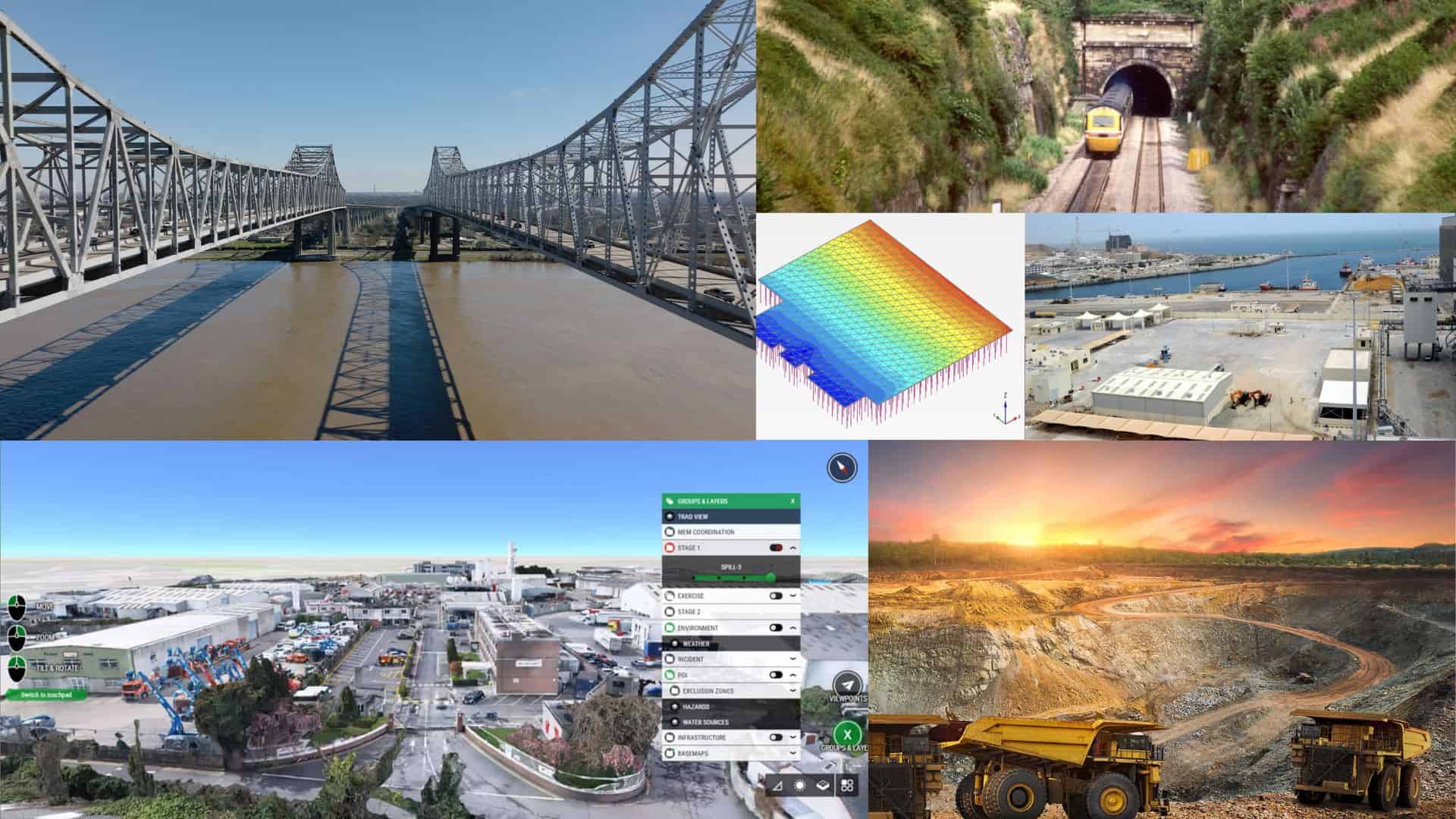
Record gold prices have flipped the script on the economics of mining, which means mines that were closed decades ago are suddenly gleaming again with promise. But reviving a mine isn’t as simple as turning the lights back on. Companies need to know how much gold is left, where to find it, and how much it will cost to get it out. They also need to determine the mine’s impact on the environment—which is where Seequent, Bentley’s subsurface company, and its industry-leading software come in. Mining teams are turning to Seequent’s Evo, a cloud platform that connects data, teams, and tools in a single collaborative environment. Evo’s accurate modeling isn’t just good for the bottom line—it’s essential for sustainability. “If you can move less rock for more gold, it’s not only cheaper, it’s less environmentally damaging,” says Seequent geologist David Newton.
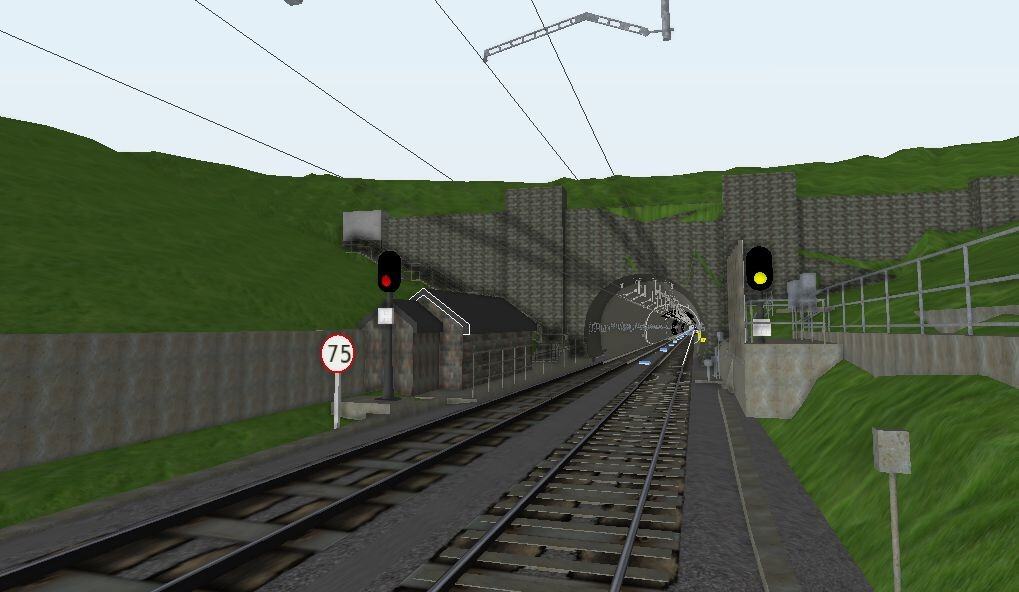 The Severn Tunnel digital twin encompasses 62 key components, from drainage and signaling to overhead line equipment.
Some 150 years ago, Victorian engineers completed one of Britain’s most audacious engineering projects: the Severn Tunnel, connecting the west of England to south Wales. Thanks to its famously damp and dark interior, the tunnel has long been difficult to inspect, maintain, or even visualize. Plus, maintenance is costly because it requires shutting down the busy rail line. But with the help of Bentley’s cutting-edge technology, this historic tunnel now has a digital twin: a 3D digital replica hosted in the cloud. Built in Bentley’s ProjectWise software, the digital model allows engineers to explore and analyze the tunnel without stepping inside.
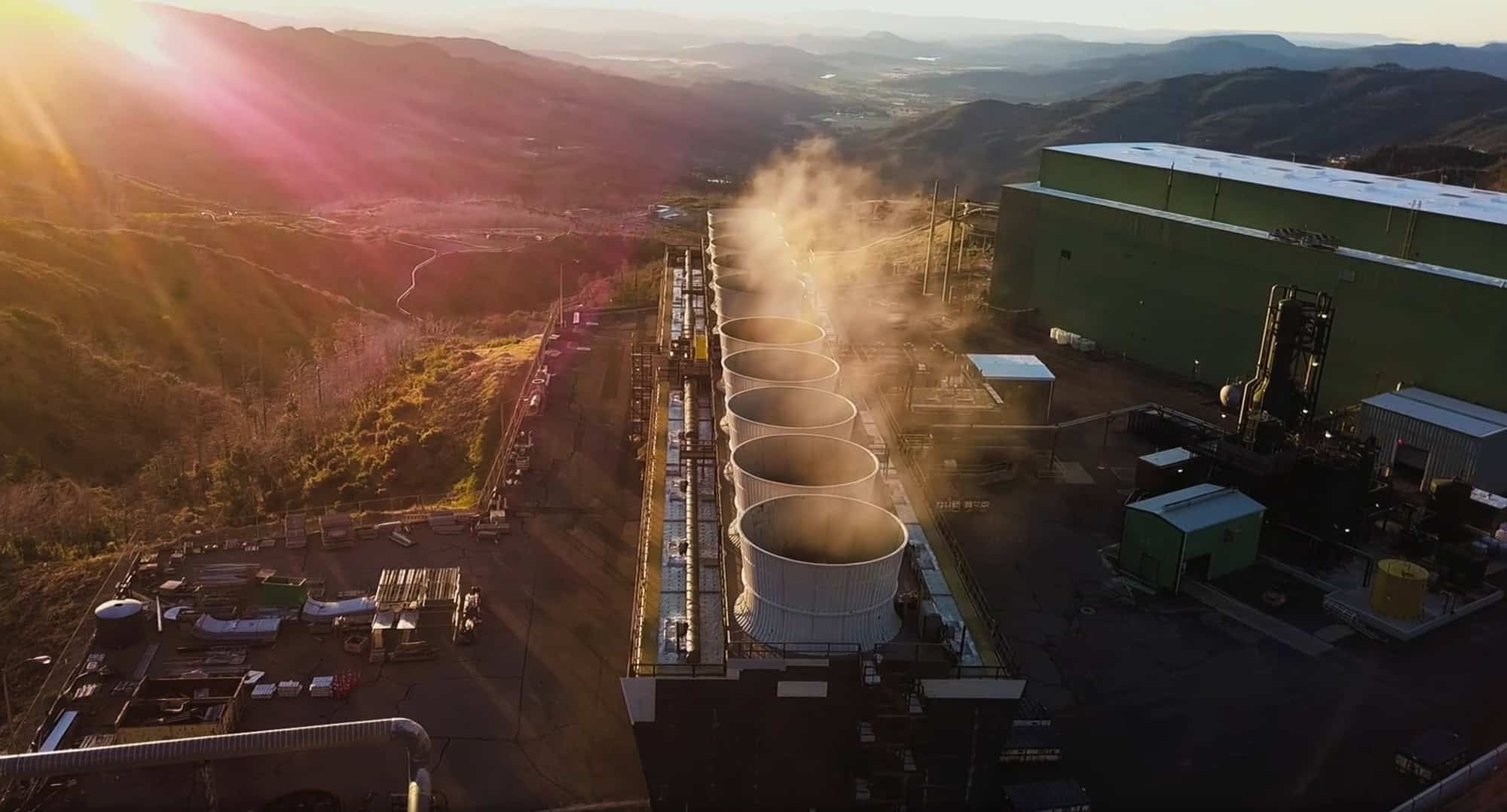 Northwestern California’s stunning Mayacamas Mountain Range is home to the world’s largest geothermal field.
The world’s largest geothermal field has been powering homes and businesses in northern California for more than 60 years. Power plants in the Geysers region tap into the heat generated by the Earth’s interior, harnessing steam from deep underground wells and converting it into electricity. Geothermal energy isn’t just renewable—it’s also reliable, unlike weather-dependent sources like solar and wind that generate intermittent power.
Bentley is helping the Geysers plants go full steam ahead into the future. Plant operator Calpine partnered with Seequent, Bentley’s subsurface company, to create a 3D model of the underground steam reservoir. The modeling helps Calpine optimize geothermal energy production, efficiently plan new wells, and visualize how the reservoir will respond to changes.
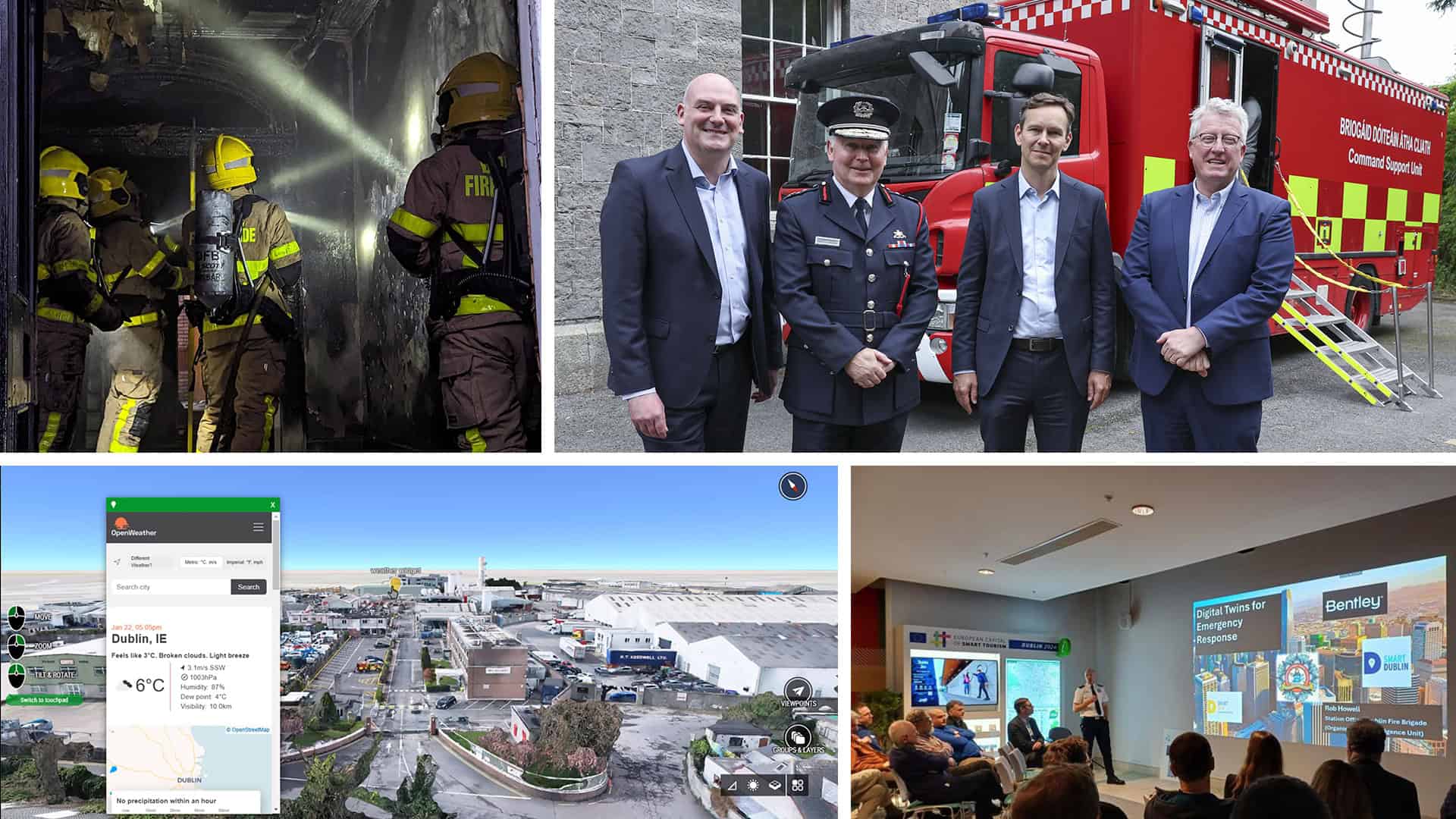 Gathering data at the Dublin Fire Brigade has come a long way since Dennis Keeley joined in the 1980s. Back then, paper records of emergency calls were impaled on a 6-inch nail. These days, Keeley is Dublin’s fire chief and leading a digital twin project, using Bentley’s iTwin platform, that promises to make the city’s emergency response safer, smarter, and faster.
Digital Twin for Emergency Response is a cloud-based virtual model of Dublin’s urban landscape. The model brings together data, from building layouts to fire hydrant locations into one easy-to-use interface. With critical information instantly available to firefighters, the system promises to save critical time and enhance safety for both firefighters and the communities they serve.
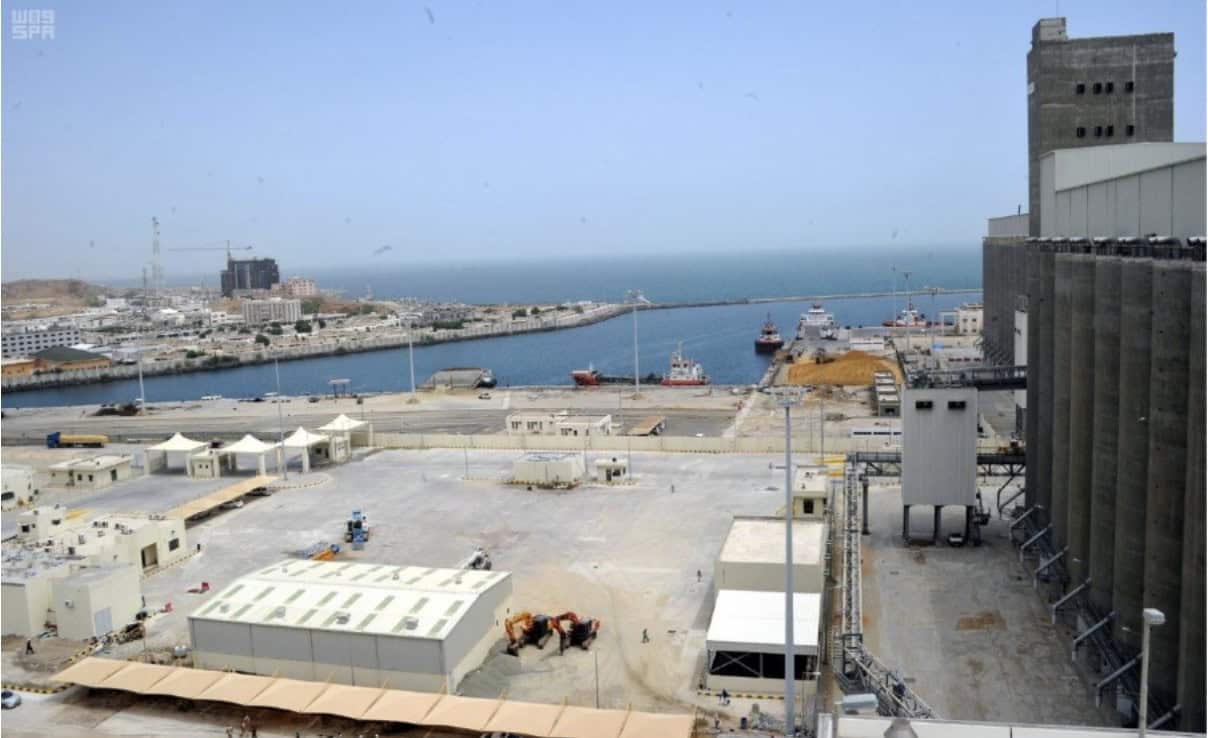 The food security warehouse (bottom left) at Jazan City Port that was saved by GeostruXer using Bentley software.
Seismicity. Extreme heat. Salt-rich soil that collapses and corrodes foundations. With ground conditions like these, it’s little wonder that a warehouse in Jazan, Saudi Arabia, started to crack and warp even as it was being built. Luckily, a husband-and-wife team of engineers stepped in, armed with Bentley software PLAXIS, the advanced 3D application that helps engineers model how soil, foundations, and structures interact. The couple’s company, GeoStruXer, uncovered what the ground was hiding and designed a rehabilitation plan that rescued the sinking warehouse—and set a blueprint for building in the Gulf region’s toughest soils.
GeoStruXer’s design reduced material use by more than 70%, cut the project’s carbon emissions by about 80%, and saved over $2 million in foundation costs. The innovative project won this year’s Bentley Envision Award, which recognizes projects that combine technical expertise, economic value, and measurable environmental and social benefits. Bentley CEO Nicholas Cumins called the project a “great example of how engineers can use AI alongside applications like PLAXIS to make smarter decisions and deliver more resilient infrastructure. Truly inspiring work!”