Infrastructure organisations are moving beyond whether AI matters and focusing on how to apply it in real engineering environments. The challenge is determining how to use AI in infrastructure workflows with real project data in ways engineers can trust and organizations can govern.
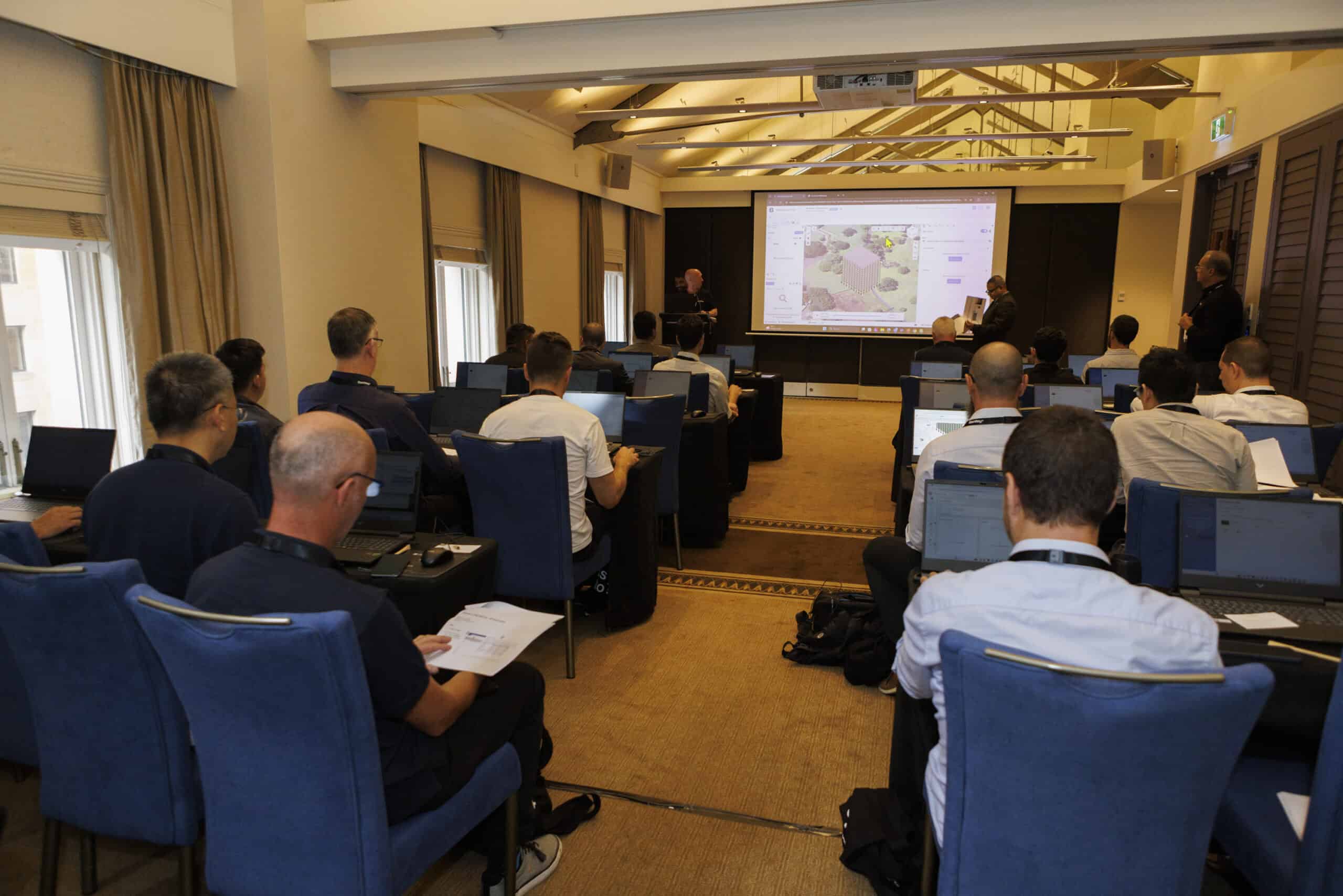
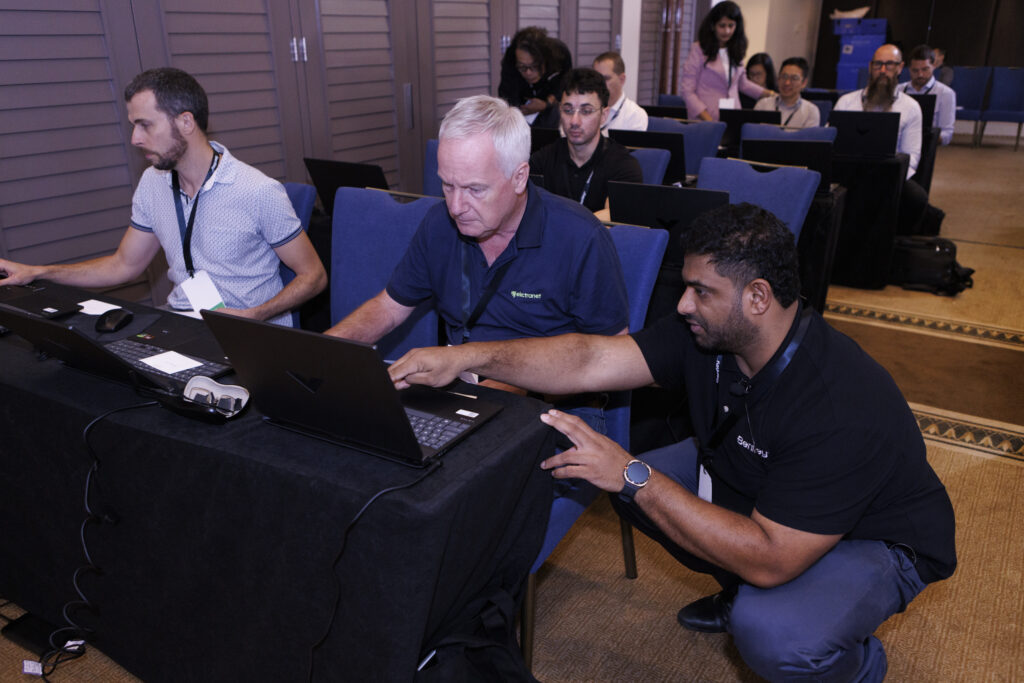
That was the focus of the AI Technical Workshop at Illuminate Sydney on March 19. Rather than presenting AI as a future concept, the session showed how practical AI can support real infrastructure workflows across design, information management, construction planning, and visualisation.
The discussion started with familiar delivery problems: manual tasks that consume engineering time, disconnected systems that force data re-entry, and project changes that take too long to flow through models, schedules, and documentation.
This framing mattered. The session made it clear that the goal wasn’t to introduce AI for its own sake, but to address problems engineers already recognise, problems that automation can reduce, and that AI can help scale once the foundations are in place.
How connected workflows support AI in infrastructure
From there, the workshop followed a single, realistic infrastructure scenario. Participants weren’t shown isolated features or disconnected tools. Instead, they were taken through a connected workflow that began with model authoring and extended through information management, construction planning, and visualisation.
The emphasis throughout was continuity. Data didn’t jump between steps or get recreated. Instead, information flowed through iTwin‑centred workflows, where context, traceability, and intent were preserved. As AI‑assisted automation was introduced, it wasn’t positioned as taking control away from engineers. It supported them by removing repetitive effort, improving consistency, and making it easier to apply the same approach across teams and projects.
Throughout the session, the questions coming from the room were telling. People weren’t asking whether AI was impressive. They were asking where the data lived, how decisions could be reviewed later, and how this work would stand up in real project environments where accountability spans multiple teams and long asset lifecycles.
That focus on trust carried through to one of the most engaging parts of the workshop: Python Assist.
How Python Assistant supports engineering automation
Instead of presenting automation as something that requires deep coding expertise or complex visual graphs, Python Assist showed a different way in. Participants started with simple intent, refined behaviour iteratively, added parameters, and debugged logic step by step. The interaction felt natural, incremental, and controlled.
What stood out wasn’t the sophistication of the examples—it was how quickly people became comfortable. Automation stopped feeling like a specialist activity and started to feel like a practical extension of everyday engineering work. Participants could see the shift as they moved from observing what was possible to thinking about where they would apply it themselves.

Why trust and governance matter in infrastructure AI
Trust and governance remained central throughout the session. Bentley made clear that organisations retain ownership and control of their data, customer data is not used to train AI models without permission, and transparency and security are foundational. In infrastructure environments, those principles are critical because decisions need to be traceable, defensible, and reliable across long project and asset lifecycles.
When the workflow discussion moved into 4D planning, the value of AI-assisted automation became clearer. Tasks that would normally require significant manual setup could be generated and linked programmatically. Planning became more consistent, easier to update, and easier to communicate to broader project teams who need to understand sequence, risk, and impact.
By the end of the workshop, the takeaway wasn’t about a single tool or capability. It was about confidence.
Confidence that AI‑assisted automation can reduce manual effort without introducing risk. Confidence that data can remain controlled, traceable, and defensible. And confidence that these workflows aren’t experimental, they’re repeatable, scalable, and relevant to real delivery challenges.
AI in infrastructure isn’t about replacing expertise or accelerating risk. It’s about amplifying engineering capability, responsibly and at scale. For many attendees, the most valuable outcome of the session was the realisation that these approaches can be applied within their own organisations, using their own data, to improve how infrastructure is delivered.
That clarity is what made the AI Technical Workshop at Illuminate memorable, and it’s what practical AI looks like when it’s done well.
The AI Technical Workshop at Illuminate Sydney showed how practical AI can support trusted infrastructure workflows across design, planning, and delivery. If you organisation is exploring how to reduce manual effort, improve consistency, and apply AI using your own project data, Bentley Systems can help you take the next step.