Key Takeways
- Streamline complex geometry edits using enhanced complex redefine and replace geometry tools for both horizontal and vertical rail alignments.
- Automate repetitive rail design tasks like low-voltage asset trench placement and white space annotation management.
- Integrate real-world context with Google Maps 3D Tiles and ArcGIS connections for better environmental assessment.
- Ensure design accuracy with new regression validation tools, cant editors, and clearance reporting.
- Safeguard your project data through Civil File Health Monitoring with auto-repair capabilities.
As a senior rail engineer, your day is a As a senior rail engineer, your day is a constant balancing act. You are tasked with ensuring the precision and safety of complex rail networks, whether for routine maintenance or a transformational megaproject. Your time is your most valuable asset, and it should be spent on critical engineering decisions, not on managing data integrity, fighting with complex geometry, or performing repetitive manual tasks.
The new OpenRail Designer 2025 release is built with a deep understanding of these daily challenges. This update is less about flashy features and more about meaningful enhancements that deliver tangible productivity gains, greater design confidence, and a more streamlined workflow, allowing you to focus your expertise where it matters most.
Explore how these new capabilities directly support your role.
Master complex rail geometry and track analysis with precision
Rail design is never static. As projects evolve, alignments must be updated. Previously, modifying complex geometry could be a difficult process, often breaking design intent and requiring extensive rework, especially when dealing with both horizontal and vertical changes.
OpenRail Designer 2025 introduces significant enhancements to the geometry tools, making them more robust and intuitive. Crucially, the Complex Redefine and Replace tools now fully support both horizontal and vertical geometry. This means you can manage comprehensive changes to your entire alignment, plan and profile more efficiently and reliably than ever before.
Enhancements to the geometry engine streamline complex edits enabling our users to tackle complex geometry with greater ease and precision.
This enhanced control extends to critical analysis. Confidently tackle the most challenging renewal projects with the precision of updated regression and cant toolsets that allow you to optimize complex alignments with greater accuracy and in fewer iterations.
The new Validate Regression Data tool allows you to check incoming survey data against user-defined tolerances before it is integrated into your design. Paired with the Enhanced Cant Editor for finer control and new Clearance Reporting capabilities, you can ensure accuracy and safety compliance from the very start of your workflow.
New Regression and Cant tools provide clearer feedback and greater control, which ultimately saves valuable project time.
Enhance rail design with Google Maps and geospatial integration
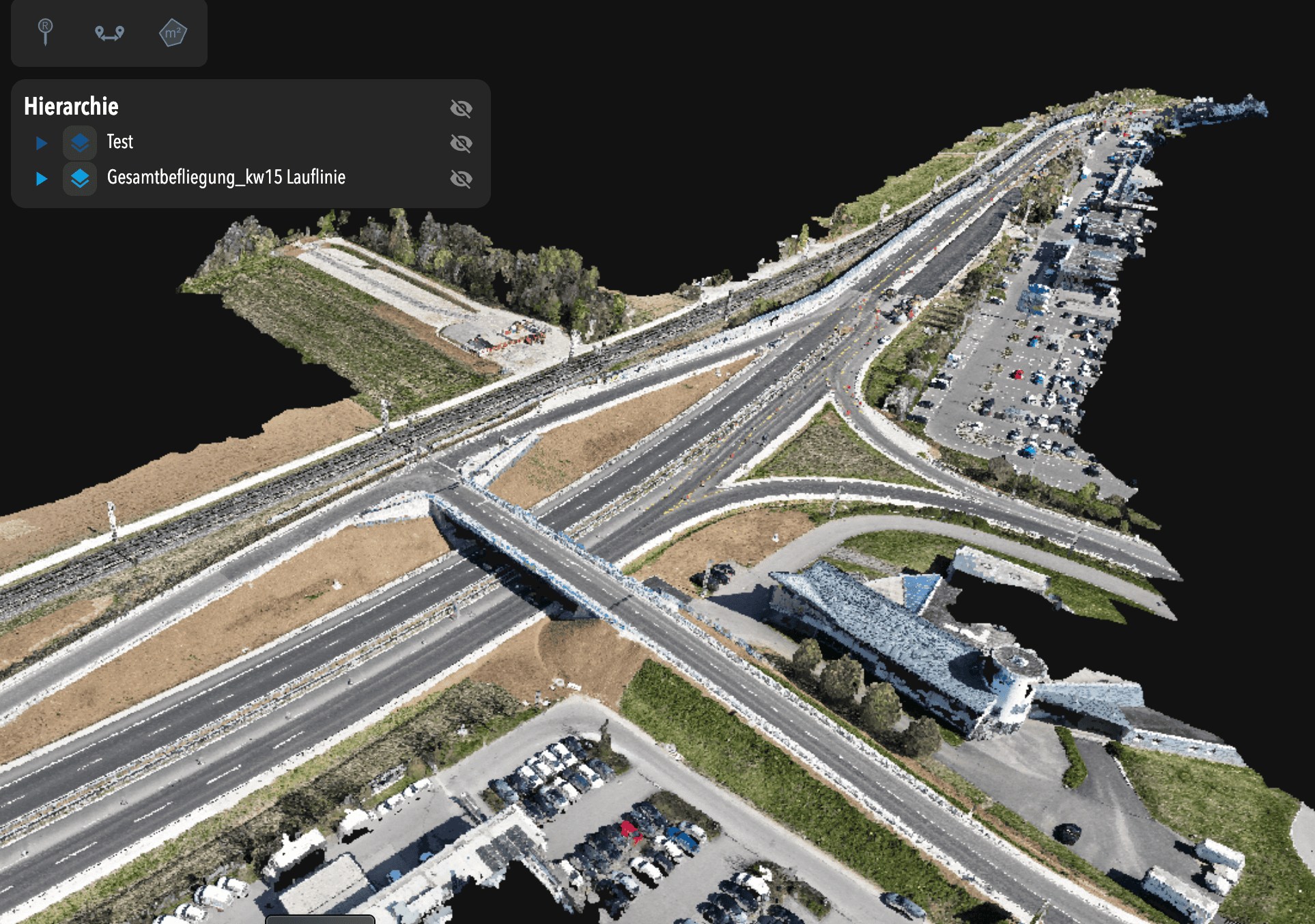
Effective design requires real-world context. To support your decision-making, we have integrated Google Maps, providing high-quality, up-to-date aerial and photorealistic 3D imagery directly within your design environment.

Furthermore, the new OGC and ArcGIS Integration (Tech Preview) allows you to connect directly to geospatial data sources. For senior engineers, this means a more holistic view of the project, enabling you to identify potential clashes, assess environmental impact, and communicate design intent to stakeholders with greater clarity and accuracy.
Automate rail design tasks and reduce engineering workload
Your expertise is best used for solving complex engineering challenges, not for manual, repetitive tasks. This release introduces powerful automation to free you from the tedious.
The ability to perform bulk placement of low voltage asset trenches via the Batch Process tool automates what was once a time-consuming manual effort.
Streamlined trench design and automation in OpenRail Designer 2025
Eliminate rework: Save significant time and frustration by ensuring your annotation adjustments are maintained through design iterations. White space management is now extended to points, including (Ggeometry, survey, drainage, and LVA), ensuring that manually placed annotations are preserved.
Gain deeper insights from offset reports: The revamped report structure and the inclusion of critical clearance values provide a more comprehensive understanding of your rail designs.
These are not just small conveniences; they are features that give you back valuable hours, allowing you to focus on optimization, review, and mentoring your team.
Trust your data: A new era of design integrity
On any project, data is the foundation of your design. Corrupted files or versioning errors can introduce significant risk and costly rework. For senior engineers responsible for quality assurance, this is a critical concern.
The new Civil File Health Monitoring system acts as your project’s guardian. It automatically tracks file version history and monitors for known issues, providing a full audit trail. If a problem is detected, the system can even perform automatic- repairs upon opening a file. For you, this means spending less time troubleshooting data issues and more time engineering with confidence, knowing your designs are built on a stable and reliable foundation.

OpenRail Designer 2025: Designed to meet the real-world demands of rail professionals
Whether you are upgrading a segment of track or designing a high-speed rail corridor, OpenRail Designer 2025 provides the stability, precision, and efficiency your role demands. This release is a direct response to your feedback, focused on refining the core tools you use every day.
We invite you to explore these new enhancements and discover how they can help you deliver your best work.
Register now for our “What’s New in OpenRail Designer 2025” Coffee Corner to explore the latest rail design automation tools and geometry enhancements.
Learn more about OpenRail Designer and upgrade today.