Home / Insights and Inspirations Posts / Perspectives / Bentley Systems Brings AI and Digital Twins to The World’s Largest Transportation Research and Policy Forum

Bentley Systems Brings AI and Digital Twins to The World’s Largest Transportation Research and Policy Forum

At the TRB Annual Meeting in Washington, Bentley demonstrates how AI, digital twins, and connected data are reshaping transportation infrastructure.

Bentley staff Profile Image

Bentley staff

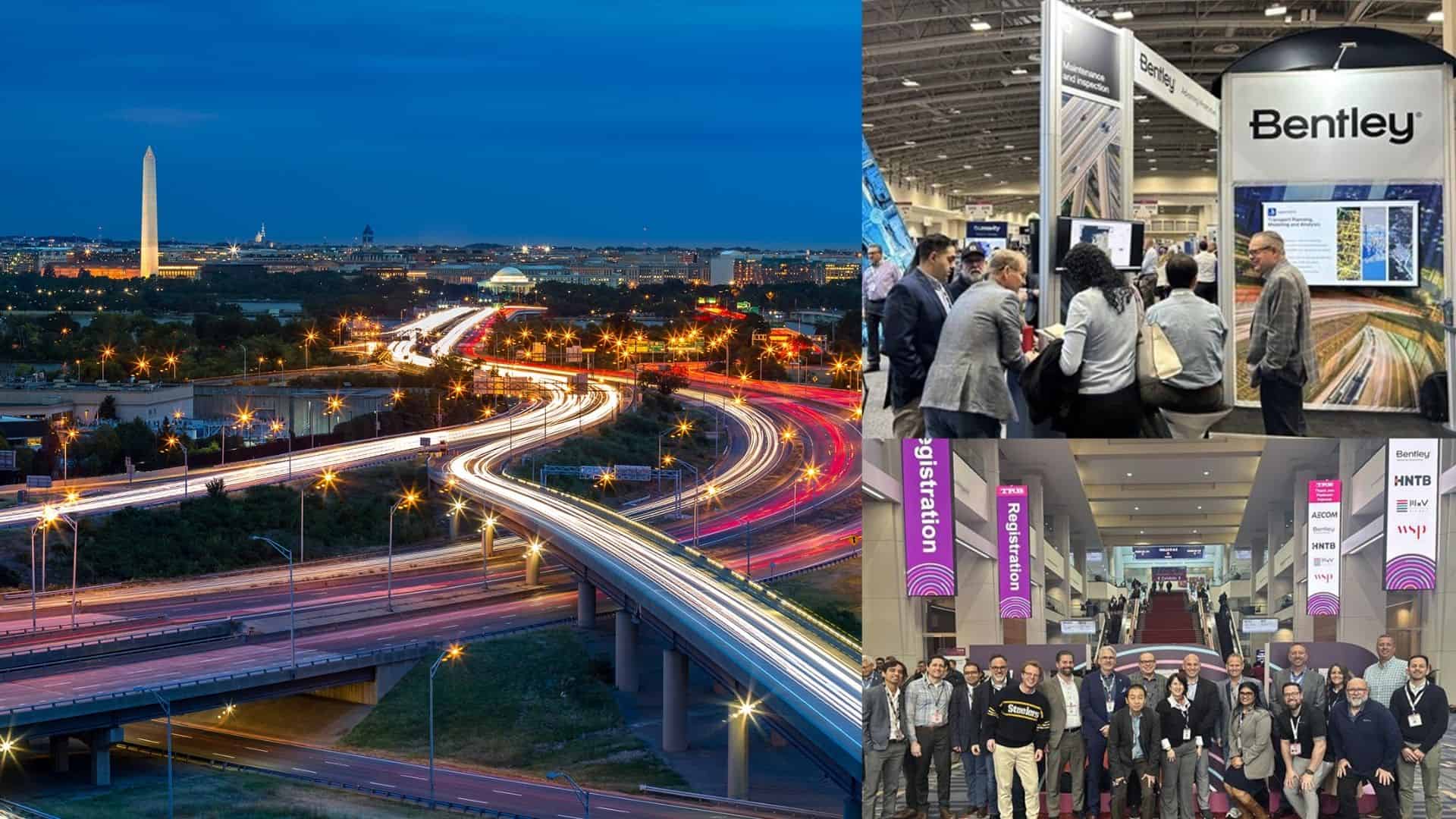
Composite image showing a cityscape of Washington D.C. at night on the left, and scenes showing Bentley colleagues demonstrating how AI, digital twins, and connected data are reshaping transportation infrastructure, and group shot of Bentley colleagues on the right.
Bentley demonstrates how AI, digital twins, and connected data are reshaping transportation infrastructure during the TRB Annual Meeting in Washington, D.C.

Share

Each January, Washington becomes the global hub for the future of transportation. Thousands of policymakers, researchers, engineers, and industry leaders gather in the U.S. capital for the annual meeting of the Transportation Research Board (TRB). The gathering is widely regarded as the world’s largest transportation research and policy forum. The reason: influence.

As part of the National Academies of Sciences, Engineering, and Medicine, TRB works year-round with more than 5,500 transportation professionals through its research programs and technical committees. That work informs transportation policy, funding, and regulation, including across the U.S. at the federal and state levels.
This year, the annual meeting attracts 12,000 attendees and features nearly 250 sessions that bridge artificial intelligence (AI) data with information technology, geotechnical engineering, maintenance, energy, mobility, and other areas. For Bentley Systems, the infrastructure engineering software company, the TRB Annual Meeting is where technology, research, policy, and real-world impact intersect.

“There is a magic to TRB, the only global conference that brings together all key stakeholders to define the future of a multi-modal, complex transportation system,” says Ben Levine, Bentley’s director of market development who previously served as the deputy assistant secretary for research & technology at the U.S. Department of Transportation. “This is where we all get an exclusive look under the hood at innovations and insights that will transform the industry.”

Bentley’s software is used by transportation agencies and engineering firms to plan, design, and maintain transportation assets, such as roads and bridges. With agencies and firms under pressure to build and manage new and aging infrastructure amid staffing shortages, tighter budgets, and other headwinds, Bentley has been expanding its use of AI, digital twins, open data, and asset analytics to support maintenance planning and investment decisions. One example is Blyncsy, Bentley’s roadway analytics solution that crowdsources high-resolution imagery from vehicles’ dash-cameras. It allows agencies to monitor road assets more consistently, including in rural areas often missed by manual inspections, while keeping costs under control.
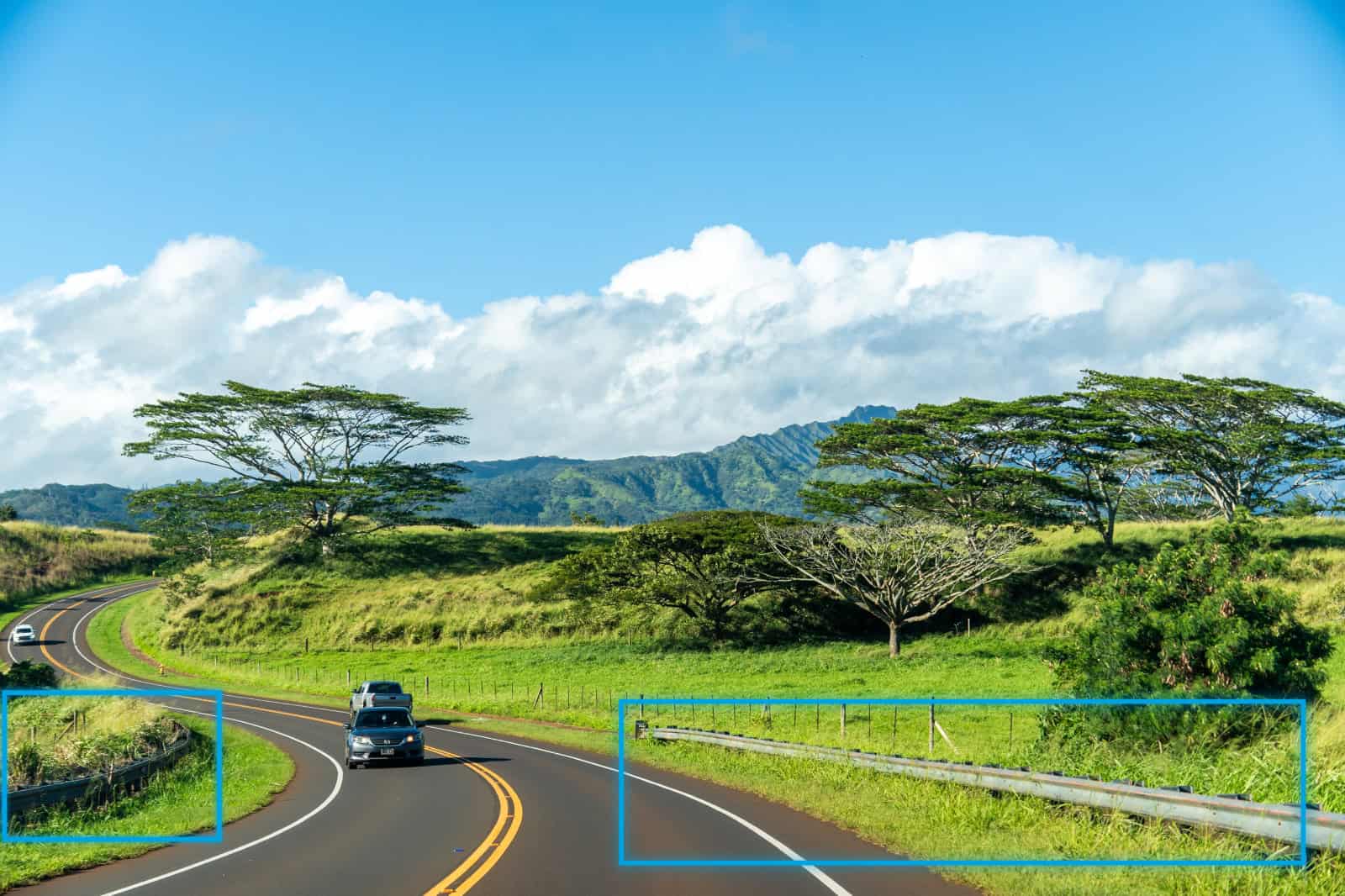
A car drives along a winding road bordered by grass, trees, and mountains under a partly cloudy sky. Guardrails line sections of the roadside.
Bentley’s Blyncsy solution collects high -resolution dash camera imagery from state roads across Hawaii to help Hawaii DOT identify road hazards more quickly, including guardrail damage and vegetation encroachment.

The solution is part of the Hawai‘i Department of Transportation’s Eyes on the Road program, where Blyncsy uses AI and machine learning to anonymize and analyze roadway imagery to help identify maintenance and safety issues more quickly.

In Washington this week, David Armstrong, Bentley’s senior director for business consulting, will address this convergence of AI and the real world in a session focused on AI-enabled asset management. He will focus on how agencies manage assets and assure design quality amid tighter budgets. Bentley’s participation also includes a panel appearance by Alison Boan, from Bentley’s Blyncsy unit, and workshops led by Bentley experts on geotechnical engineering, maintenance and inspection, transport modeling, and connected data.

Bentley is also showing how transportation agencies and engineering firms use Bentley software for design, geotechnical analysis, maintenance and inspection, transport modeling, and mobility data. The demonstrations showcase the value of connecting engineering models and field data to support maintenance planning and asset management decisions, like in Hawai’i.

“The TRB Annual Meeting is where the global transportation community comes together to tackle the hardest infrastructure challenges, from aging assets to climate risk and workforce constraints,” says Rory Linehan, director of Bentley Infrastructure Policy Advancement. “Being here is core to our mission to advance infrastructure by collaborating, sharing thought leadership, and moving technologies like AI and digital twins from research into practice.”

Relevant Tags

In a room full of software engineers, Mary Bloswick always stands out. Just look for the cat ears. They’re a ...

Volaree Rendon’s career in civil engineering started with a crush. A straight-A high school student in Seattle, Rendon earned enough ...

“I feel like a proud mom!” Volaree Rendon exclaims after watching a team of software engineers—all graduates of her brainchild, ...

Subscribe to The Bentley Brief

Stay ahead of the curve with the latest infrastructure news and insights.